Last updated November 23, 2026
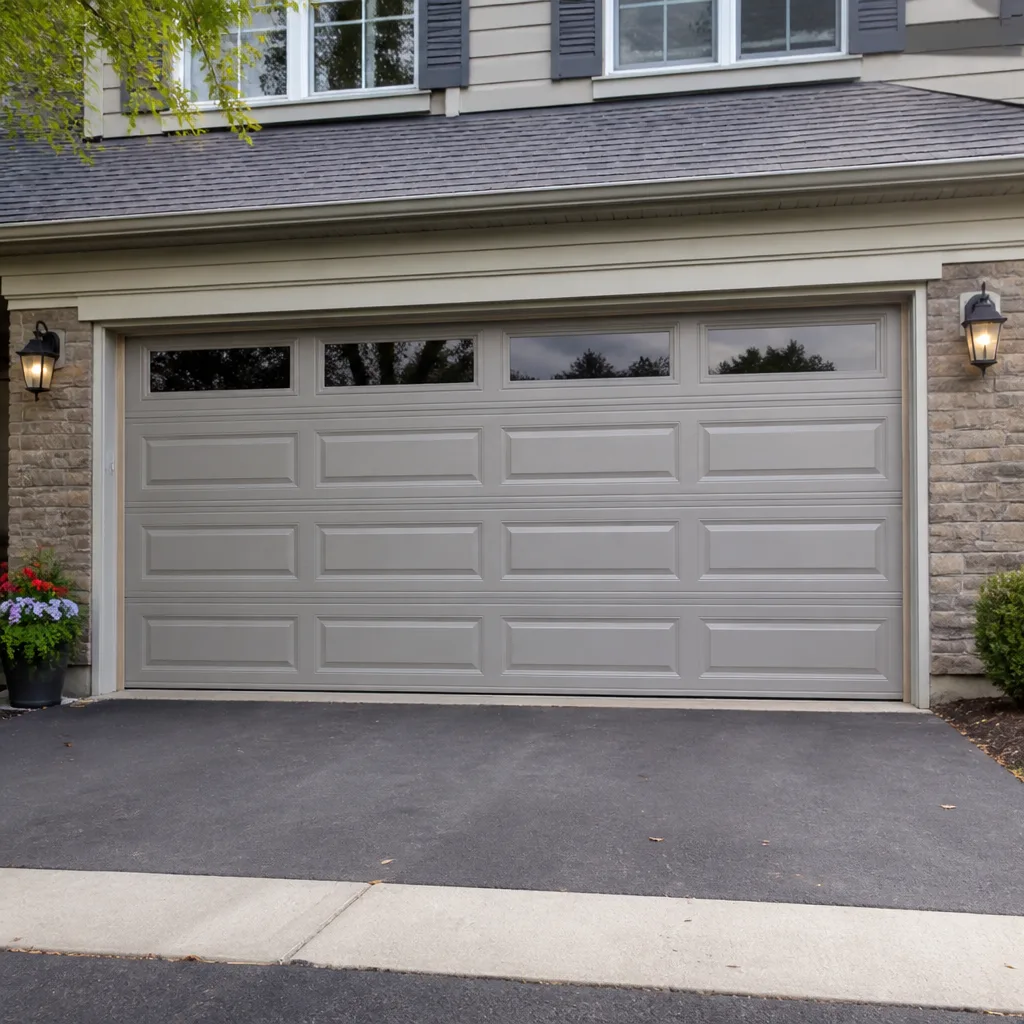 Raised-panel steel
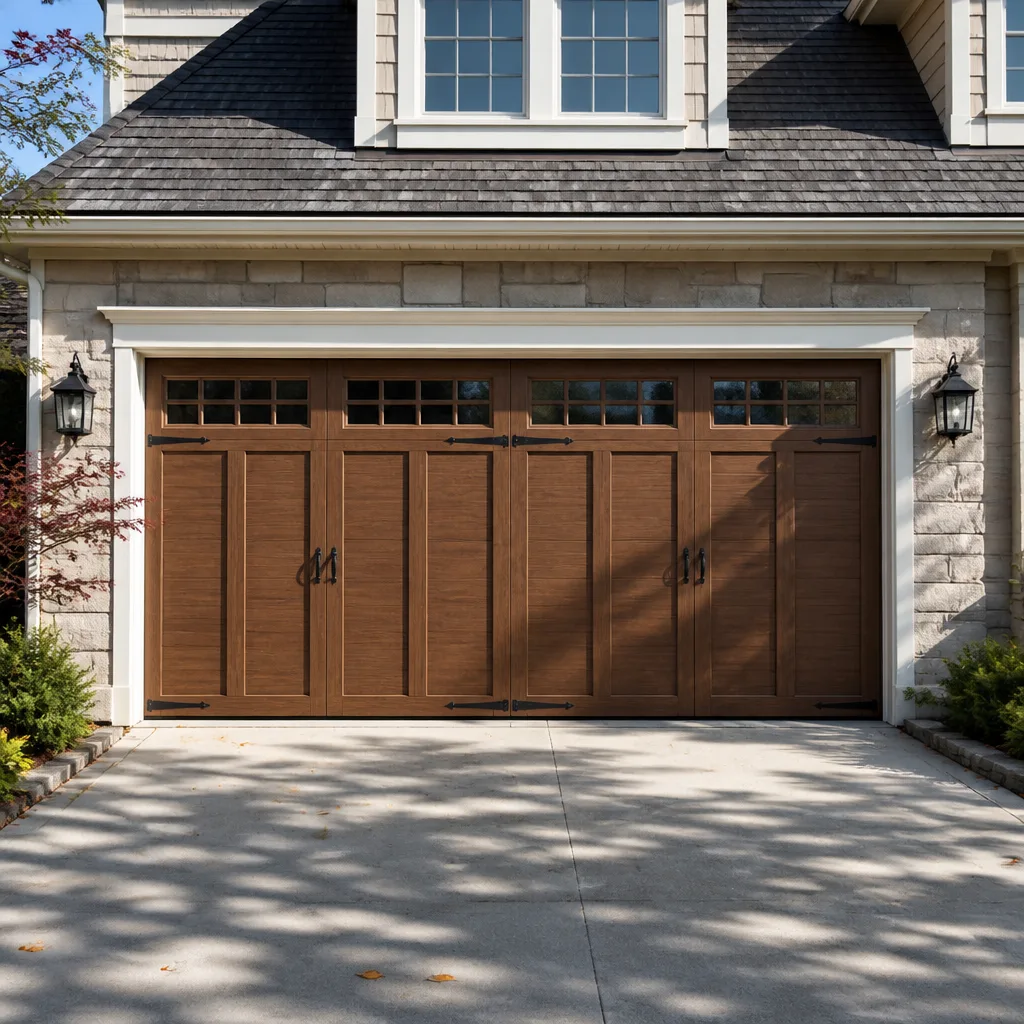 Carriage house
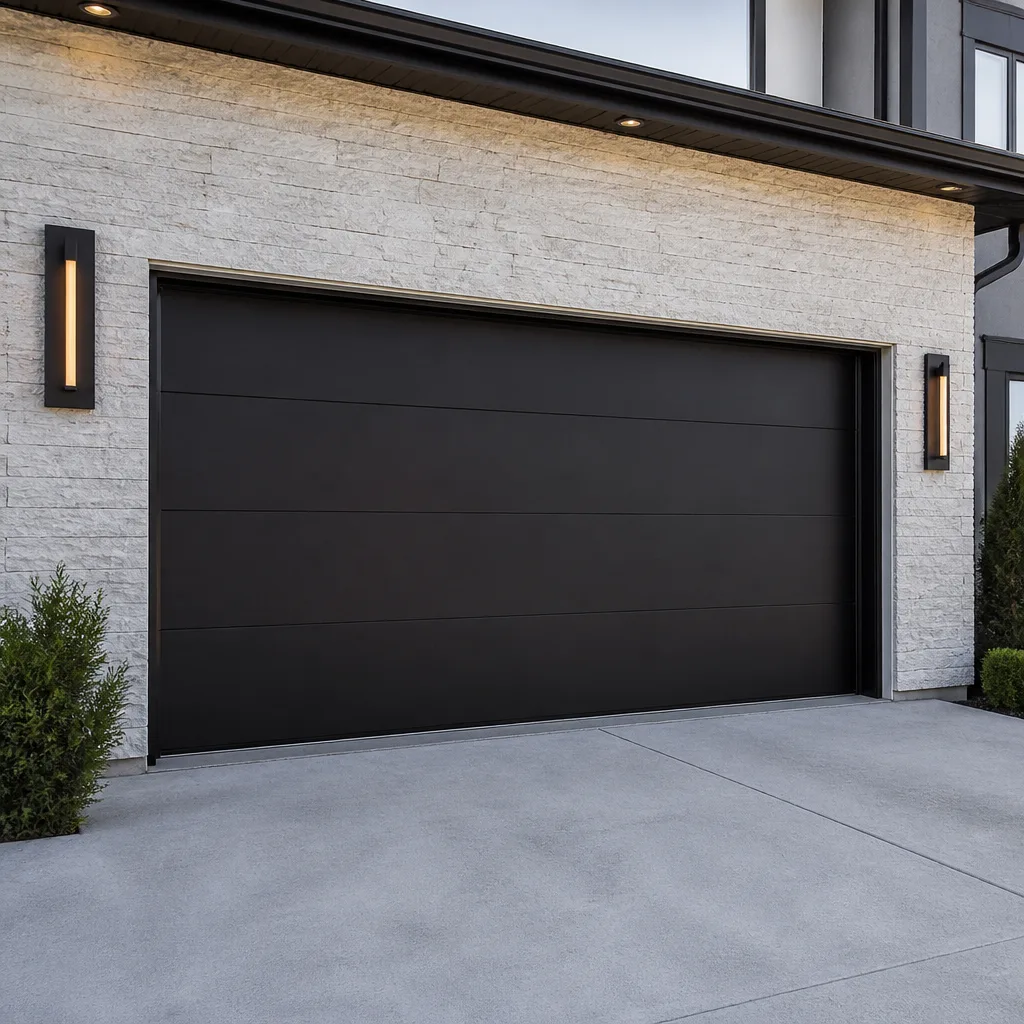 Modern flush
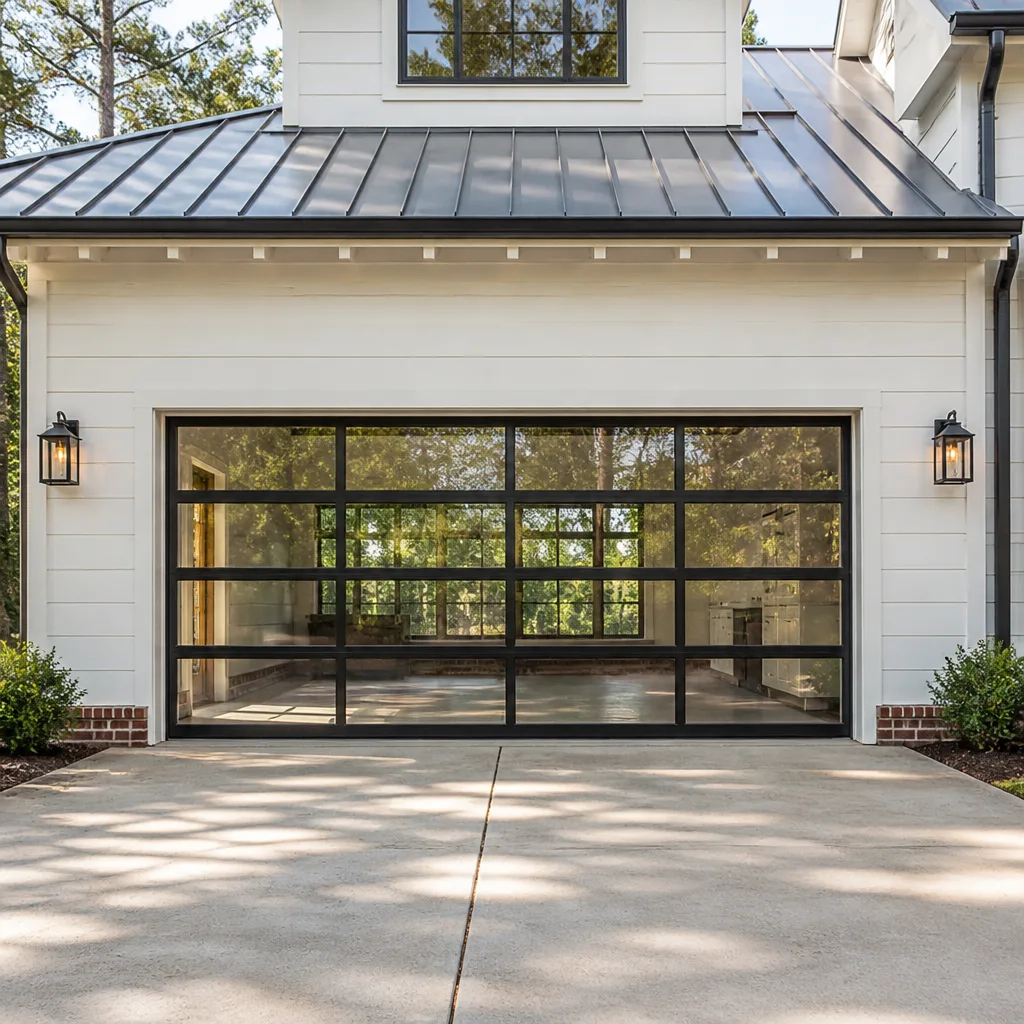 Full-view glass
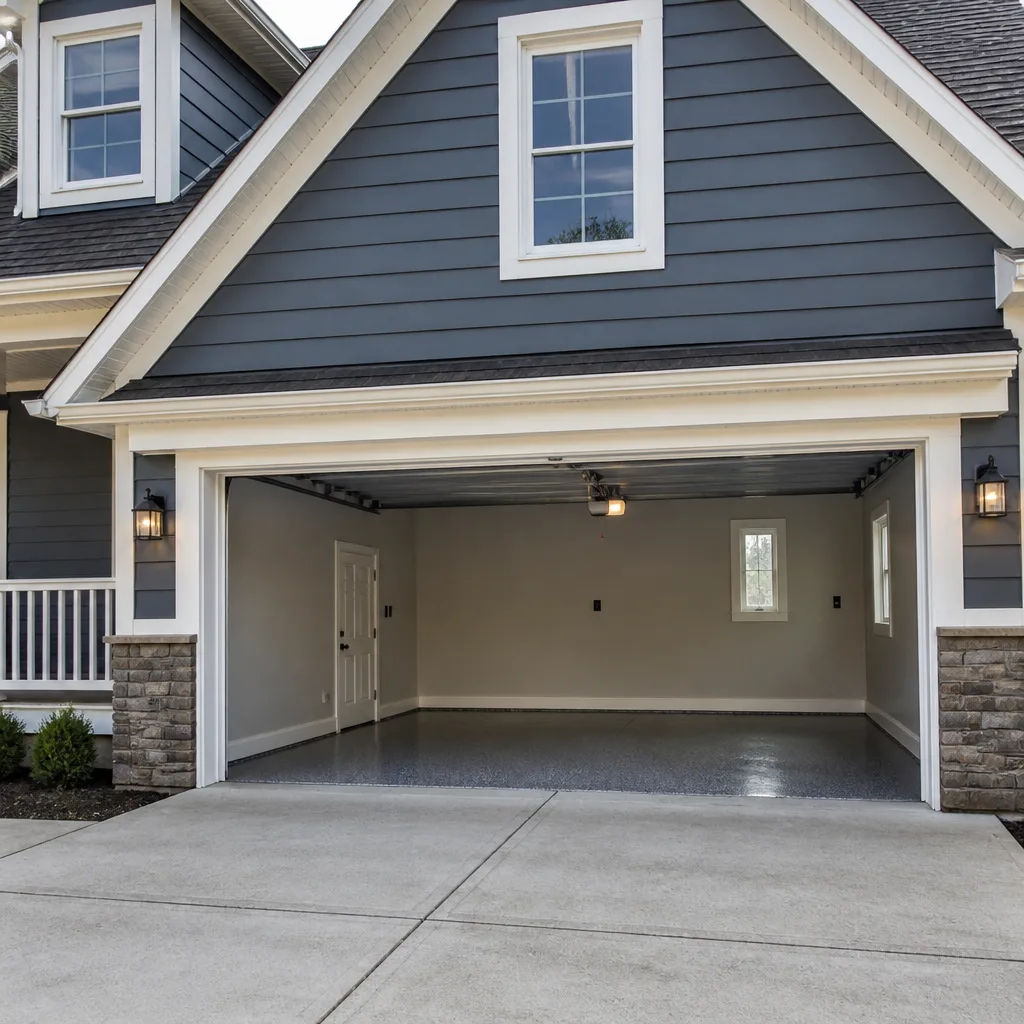 LiftMaster openers
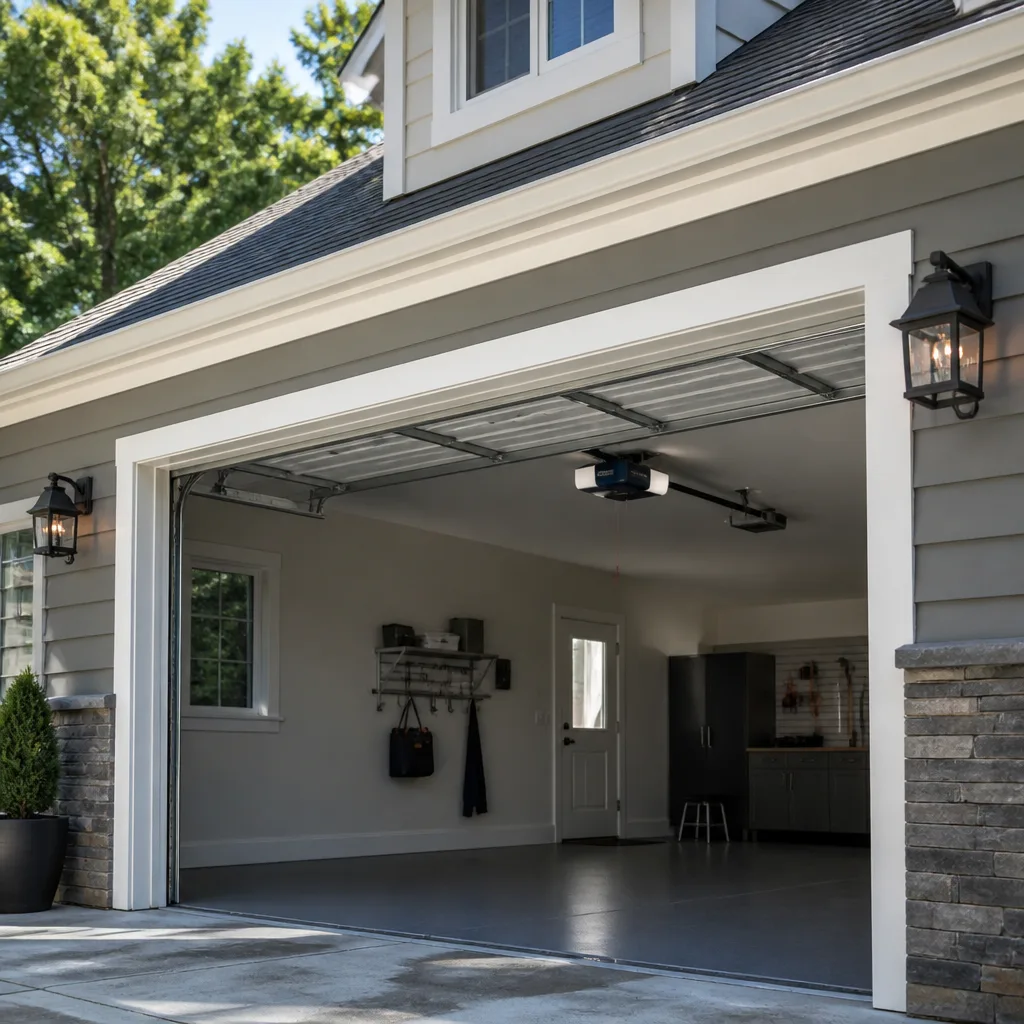 Chamberlain openers
Full 25-point door and opener safety check with every visit - springs, cables, rollers, tracks, and your LiftMaster or Chamberlain opener included
You get a price before we start. It does not change when the pro arrives.
Get your free estimateThe Complete Guide to Garage Doors in Waldorf
Your garage door opens and closes more times in a single day than your front door does in a week. Yet most homeowners couldn’t name a single part inside the spring system that keeps a 150-pound door from crashing down. That gap between how hard the door works and how little attention it gets is exactly where small problems turn into expensive ones. This guide is written for Waldorf homeowners who’d rather understand their door than guess at it. We’ll cover how Maryland’s humidity and temperature swings stress the materials and hardware, how to tell torsion from extension springs, how to read the data plate on your opener and door, when repair makes sense and when replacement is the smarter money, and how to spot a contractor who fixes things right the first time.
Quick Answer
Your garage door is a spring-balanced lifting system, not just a panel that goes up and down. The springs bear the door’s weight, the opener only guides it, and the tracks, cables, rollers, and hinges keep everything aligned. In Waldorf, the biggest threats are humidity, summer heat, and freeze-thaw swings that wear out springs, corrode steel hardware, and warp wood panels faster than in drier climates. Most homeowners get the longest life and lowest total cost by repairing worn springs and opener problems early, and replacing the whole door only when the panels, structure, or insulation are genuinely past saving.
Styles & brands we work with
- Raised-panel steel
- Carriage house
- Modern flush
- Full-view glass
- LiftMaster openers
- Chamberlain openers
Table of Contents
- How a Garage Door Actually Works
- How Waldorf’s Climate Stresses Your Door
- Torsion vs. Extension Springs: Which Is in Your Waldorf Home?
- How to Read Your Door’s Data Plate
- What “Full-Service” Really Means
- Repair vs. Replace: A Decision Tree
- What Garage Door Work Typically Costs in Waldorf
- A Simple Maintenance Routine
How a Garage Door Actually Works
A garage door is a balancing act. The springs carry most of the door’s weight, and the opener supplies only a small push to get it moving. That’s why an opener that seems to “strain” is often telling you the springs are tired, not that the motor is failing. Understanding the parts helps you describe what’s wrong, spot trouble early, and ask better questions when you call.
The main components in a typical Waldorf garage:
- Springs – torsion (a coil above the door) or extension (coils running along the tracks). They store the energy that lifts the door.
- Cables – steel lines that connect the springs to the bottom corners and keep the door level.
- Tracks – vertical and horizontal rails that guide the door’s travel.
- Rollers and hinges – the moving joints that let panels fold and follow the track.
- The opener – a motor and rail that pull the door along; it does not lift the weight by itself.
- Safety sensors – the paired eyes near the floor that reverse the door if something blocks it.
When one part wears, it loads the others. A stretched spring forces the opener to work harder. A bent track grinds the rollers. A worn roller throws the door off level and stresses a cable. This chain reaction is why we look at the whole system rather than just the part that made the noise. Our garage door repair team diagnoses the root cause, not just the symptom, so the fix holds.
How Waldorf’s Climate Stresses Your Door
Charles County sits in a humid, four-season climate, and that matters more to your door than most people realize. Summer heat and humidity, winter cold, and the swing between them each attack the door in different ways. A door that would last decades in a dry climate can wear faster here if the hardware and materials aren’t maintained.
Humidity and steel. Waldorf summers are muggy, and that moisture settles on anything metal. Bare steel hinges, springs, and track bolts are prime targets for rust, which stiffens joints and shortens spring life. A light coat of lubricant on moving metal parts goes a long way. Powder-coated and galvanized hardware holds up far better than bare steel.
Heat and wood. Wood and wood-composite doors absorb moisture and expand in the humid months, then shrink when the air dries out. Over seasons, that cycle can warp panels, split the lower sections, and loosen joints. If your Waldorf home has an older wood door, watch the bottom panel closely – that’s where moisture collects first.
Freeze-thaw swings. Winter cold makes steel brittle and can crack a worn spring without warning. Temperature swings also cause metal to expand and contract, which loosens fasteners over time. A door that rattles more in January than it did in October is usually telling you a bolt or hinge has worked loose.
Insulation matters here. Because Waldorf gets both hot, sticky summers and cold snaps, an insulated door helps on both ends. An attached garage shares a wall with the house, so a poorly insulated door lets heat pour in during summer and cold seep in during winter. If your garage doubles as a workshop, gym, or extra living space, insulation pays for itself in comfort even before you think about energy bills.
Steel doors with a good factory finish handle this climate best with minimal care. Wood needs more attention. Either way, annual lubrication and a quick visual check of springs, cables, and tracks keep the local weather from winning.
Torsion vs. Extension Springs: Which Is in Your Waldorf Home?
Most garage doors run on one of two spring systems, and knowing which you have tells you a lot about how your door will age. Torsion springs are a horizontal coil mounted on a shaft above the door. Extension springs are two coils running parallel to the horizontal tracks, one on each side. If you look up and see a single coiled shaft across the top, you have torsion. If you see springs stretched along the side tracks, you have extension.
Which is more common in Waldorf-area tract homes? Torsion systems are the standard on most newer construction and on many homes built in the last few decades, including the neighborhoods that grew up around Waldorf during the 1990s and 2000s. Older homes and some budget builds use extension springs. Builders favor torsion because one shaft handles the whole door more smoothly and the springs are tucked out of the way.
Here’s how the two compare:
- Torsion: cleaner, quieter, longer-lasting, and the standard on newer doors. When one spring fails, the door usually stays up because the second spring catches it.
- Extension: common on older doors, noisier, and they stretch with age. When one snaps, the door can drop hard because there’s no backup coil.
Safety first. Both systems store enormous energy. A torsion spring under tension can cause serious injury if it releases unexpectedly, and stretched extension springs carry the same risk. This is not a DIY job. Winding a torsion spring requires specific tools and a clear understanding of the tension involved, and a mistake can hurt you badly. That’s why our garage door spring repair is handled only by trained technicians who work with these systems every day. If you hear a loud bang from the garage and the door won’t lift, stop pulling on it and call a professional.
How to Read Your Door’s Data Plate
Every modern garage door and opener has a label or data plate that tells you exactly what you’re working with. Most homeowners never look at it, and that’s a missed opportunity. Reading the plate helps you buy the right parts, understand your door’s limits, and give a technician the details they need before they arrive.
Here’s how to find and read it:
- Find the door’s label. Look on the inside of the bottom panel or along the vertical edge of the door. It usually lists the manufacturer, the model number, the door’s weight, and the maximum door weight the hardware is rated for.
- Note the door weight and size. That weight tells a technician which spring rating your door needs. Putting the wrong spring on a heavy door shortens its life and strains the opener.
- Find the opener’s label. It’s usually on the back or side of the motor housing. It lists the model, the horsepower, and the type of drive (belt, chain, or screw).
- Match the opener to the door. An opener rated for a certain door weight shouldn’t be paired with a heavier door. When in doubt, the label settles it.
- Check the panels. Section labels show the panel profile and material, which matters if you ever need to replace a single damaged section instead of the whole door.
Knowing your opener’s brand and model makes a real difference. We work on garage door opener repair across the major brands, including LiftMaster, Chamberlain, and Genie, so we arrive already familiar with how your unit is built. Some openers use different logic boards, remote frequencies, and safety features, and the model number on that label tells us which one we’re dealing with. It saves time and helps us avoid replacing a part that doesn’t need replacing.
What “Full-Service” Really Means
A true garage door specialist handles the whole system – springs, cables, tracks, rollers, hinges, panels, and the opener – under one call. A generalist handyman might swap a remote or tighten a bolt, but the moment the job involves a torsion spring, a bent track, or a smart opener, you need someone who works on these every day. The difference shows up in how quickly the problem gets fixed and whether it stays fixed.
Here’s what full-service looks like in practice:
- Diagnosis. Identifying the real cause, not just the part that failed. A door that won’t close could be a misaligned sensor, a bent track, or a failing logic board.
- Parts. Knowing which spring rating, cable, roller, or panel fits your door and opener.
- Labor. Safe handling of high-tension springs and heavy panels.
- Installation. If the door is past repair, the same company can install a new one without sending you to a second contractor.
That last point matters. Vetting one contractor is already a chore. Vetting two – one for the repair and another for the replacement – doubles the hassle and often the cost. We handle diagnosis, parts, labor, and installation together, so you’re not stuck coordinating between companies. It’s also why we service multiple brands rather than pushing one. We work on the brand already in your garage, whether that’s a Clopay door, a Chamberlain opener, or something else entirely.
Repair vs. Replace: A Decision Tree
The hardest question for most homeowners is whether to repair the door they have or replace it. There’s no single right answer, but a few clear rules of thumb help. The honest answer depends on the door’s age, the extent of the damage, and what you want from the door going forward.
Lean toward repair when:
- The door has a single failed component – one spring, one roller, one opener part – and the panels and structure are solid.
- The door is relatively new and the problem is mechanical, not structural.
- You like the door’s look and it matches the house.
- The opener is fine and only the door hardware needs work.
Lean toward replacement when:
- Multiple panels are dented, warped, or rotting, especially along the bottom where moisture collects.
- The door is old enough that parts are hard to source and repairs keep stacking up.
- You want better insulation for a garage used as living or working space.
- The structure is compromised – a bent track that won’t straighten, or a frame that’s pulling away.
- A string of repairs has cost more than a new door would have.
A simple decision path:
- Is the door structurally sound? If panels, tracks, and framing are solid, repair is usually the answer.
- Is the failure isolated? One part failing points to repair. Several parts failing together points to replacement.
- Does the repair cost approach replacement cost? If it does, a new door is the better value.
- Do you want different performance? Better insulation, quieter operation, or a new look may justify replacement on its own.
We give an honest read on which path makes sense for your door, and we can quote both a repair and a replacement so you can compare. No pressure either way. The written estimate is the price, quoted before any work starts.
What Garage Door Work Typically Costs in Waldorf
Prices for garage door work depend on the job, but homeowners want a ballpark before they call, so here’s a typical range. These are estimates for the Waldorf area, and the written quote sets the final price.
- Spring repair (one spring): $180-$340. A matched pair is usually replaced together, so a pair costs about twice that.
- Opener repair: $120-$280, depending on the part and brand.
- New opener install: $300-$650, depending on features and drive type.
- Off-track repair: $150-$350.
- New door install: $900-$2,500, depending on size, material, and insulation.
Every job is quoted and agreed before any work starts. If something changes once we see the door, we tell you before touching anything, and you decide. No surprise invoices.
Emergency situations – a broken spring with the car trapped inside, a door hanging off its track, or a garage left unsecured – are treated as emergencies, not upsells. Call us and we’ll book the soonest slot.
A Simple Maintenance Routine
Most garage door failures start as small, preventable problems. A five-minute check a few times a year catches most of them before they strand you. Here’s the routine we recommend for Waldorf homeowners.
- Lubricate the moving parts. A few drops of white lithium grease or a garage-door-specific lubricant on hinges, rollers, and the spring shaft keeps things quiet and smooth, especially in humid months.
- Check the balance. Disconnect the opener and lift the door halfway. It should stay put. If it drops or rises on its own, the springs need attention.
- Test the safety reverse. Place a small object under the door and close it. It should reverse. If it doesn’t, the sensors or opener need a look.
- Look at the springs. A visible gap in a torsion spring or a stretched extension spring means it’s time to call.
- Inspect the tracks and rollers. Watch for bent rails, worn rollers, and loose bolts. Tighten what’s loose, but leave bent tracks to a technician.
- Listen. Grinding, squealing, or a door that seems to jump a little on the way up is a warning. Address it early.
Our technicians have up to 10 years of experience reading these signs, and we can do a full tune-up that catches the small stuff before it becomes a repair.
Common Mistakes to Avoid
- Assuming the opener is the problem. If the door strains or won’t lift, the springs are often the real culprit. Replacing the opener won’t fix tired springs, and a new motor will just wear out faster.
- Greasing the tracks. Lubricant belongs on hinges, rollers, and springs, not the tracks. Grease on the tracks collects grit and can cause the door to slide off.
- Trying to fix a torsion spring yourself. Spring repair carries serious injury risk and requires specific tools. This is not a DIY job in Waldorf or anywhere else.
- Ignoring the bottom panel. In Maryland’s humid climate, the bottom section absorbs the most moisture. Warping or rot there spreads upward if you ignore it.
- Hiring a generalist for a specialist job. A handyman may be cheaper up front, but spring, opener, and track work demand someone who does it daily.
- Skipping the data plate. Buying a part without checking the model and weight rating is a common shortcut that leads to the wrong part.
- Putting off an off-track door. A door that’s jumped the track is under tension and unstable. Leaving it hanging can damage panels or bring the whole door down.
See the difference
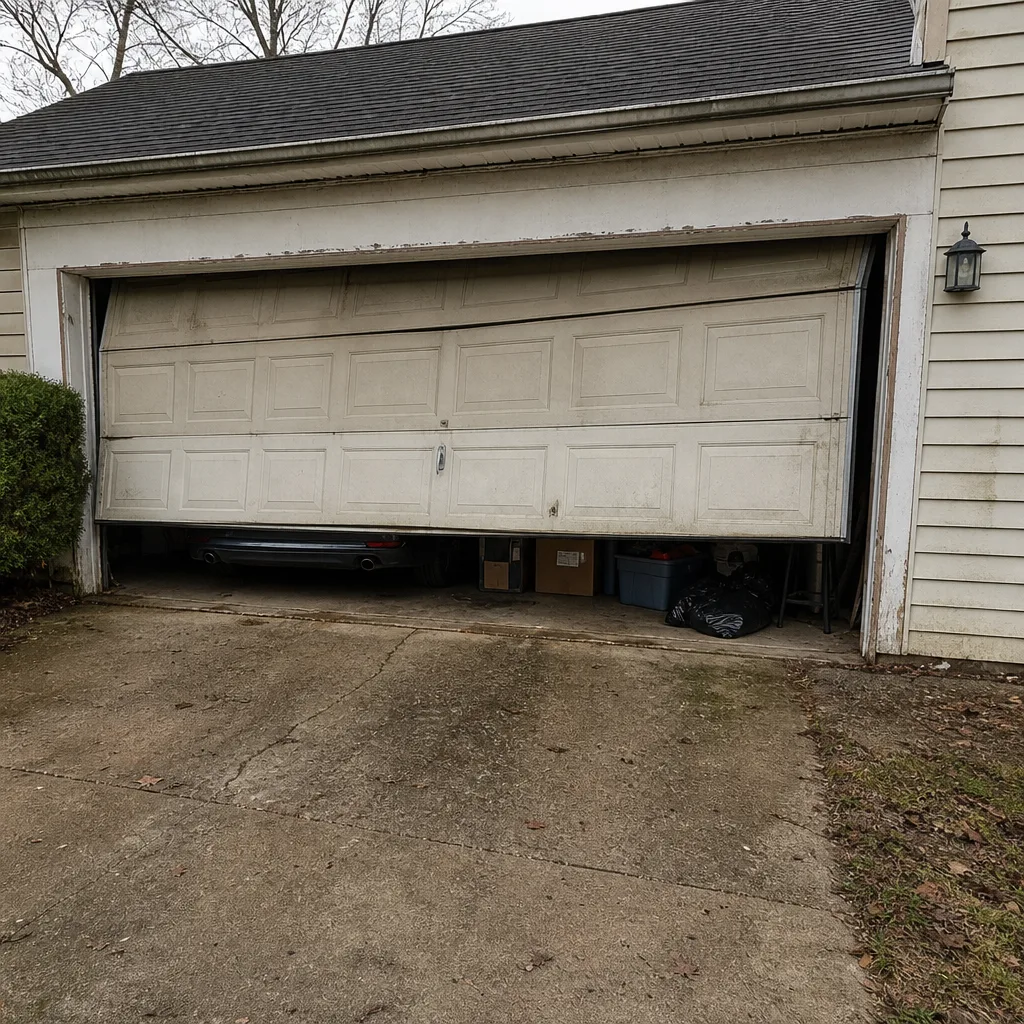 Before
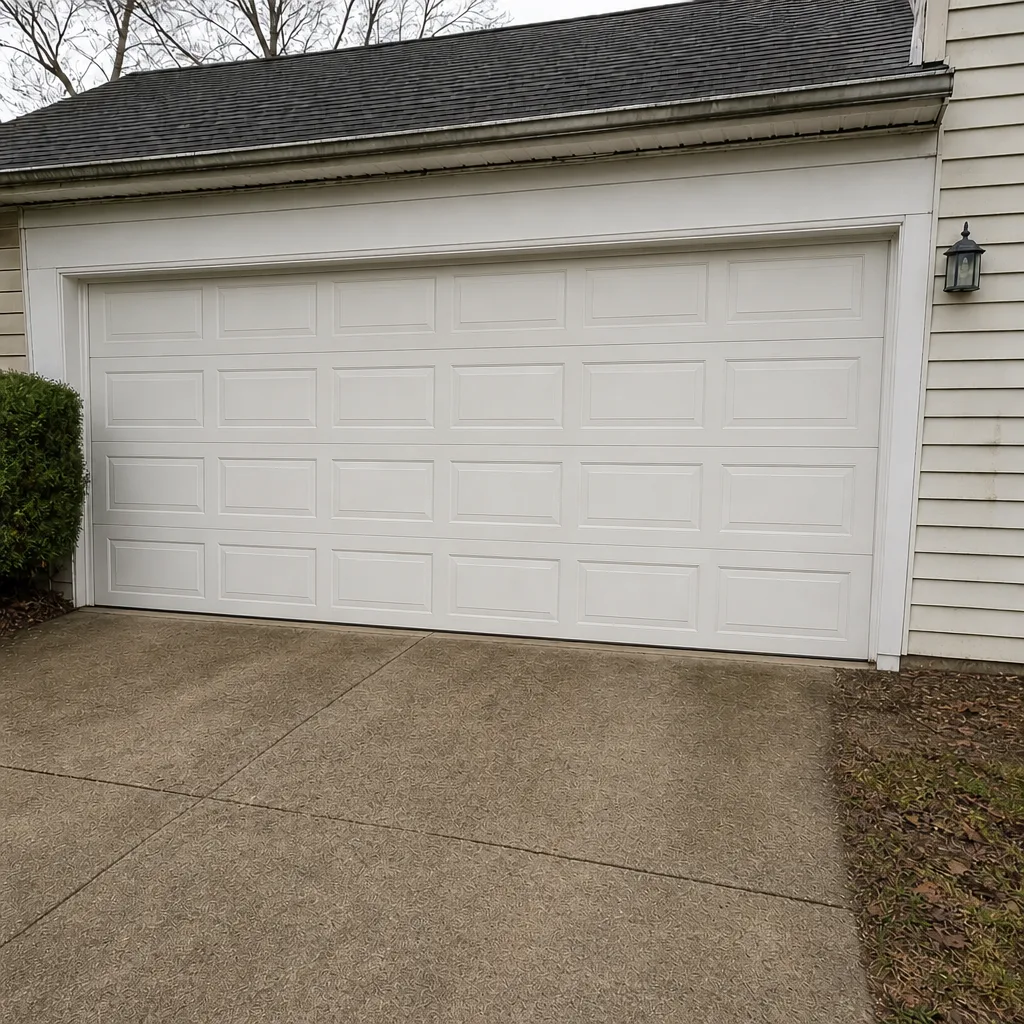 After
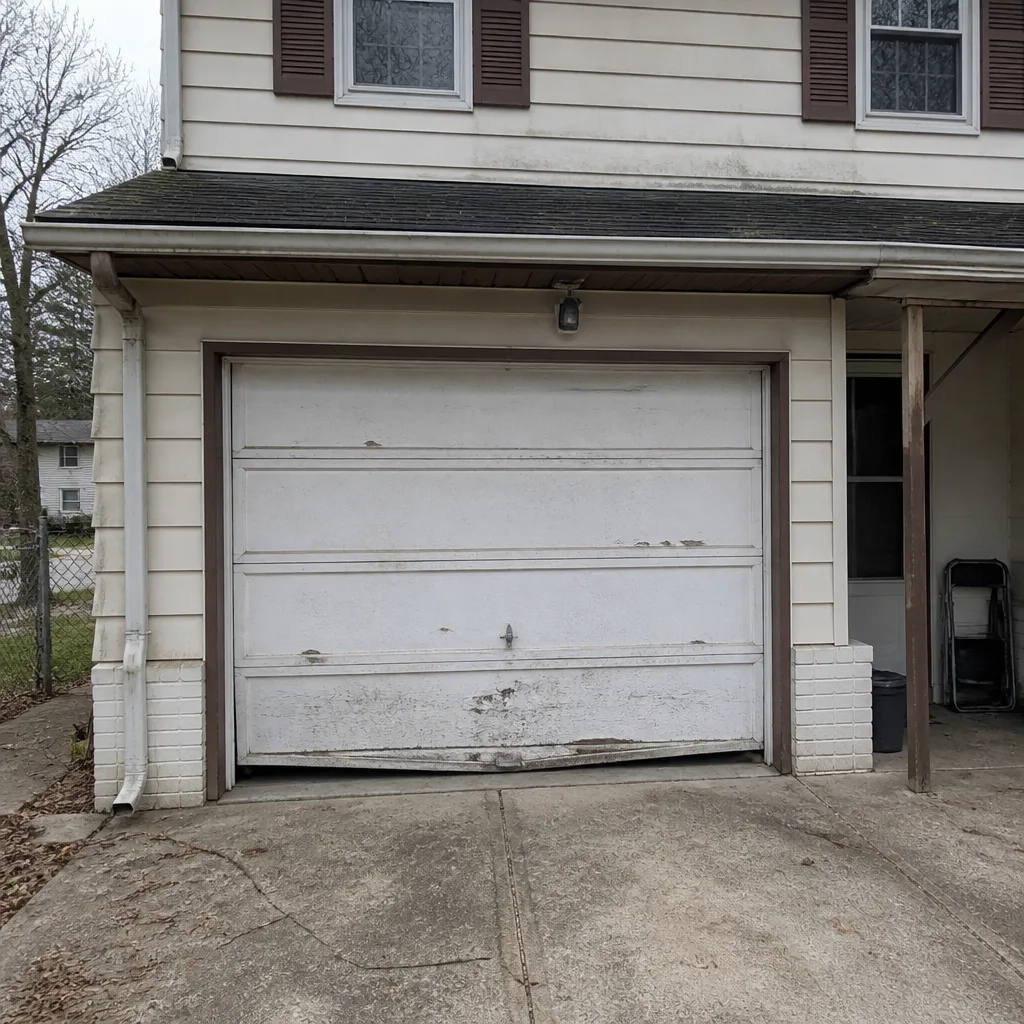 Before
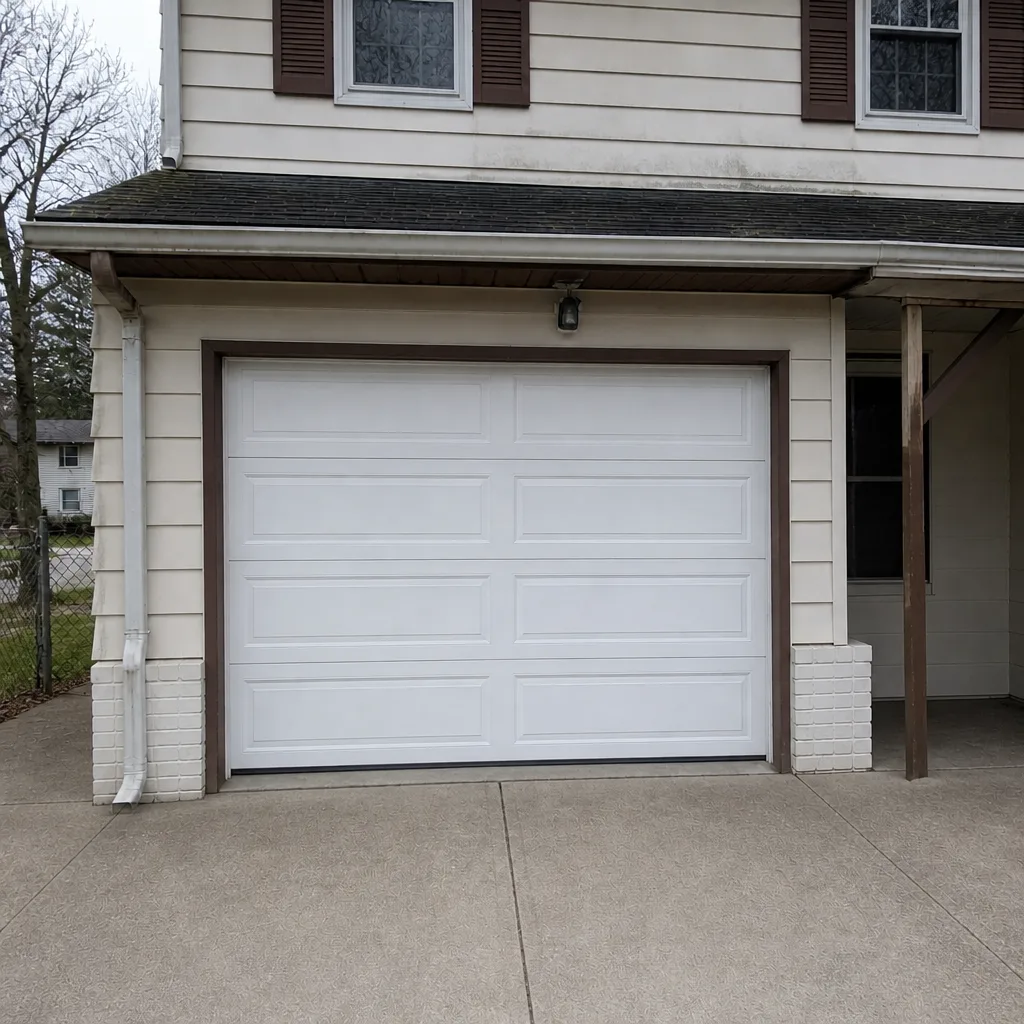 After
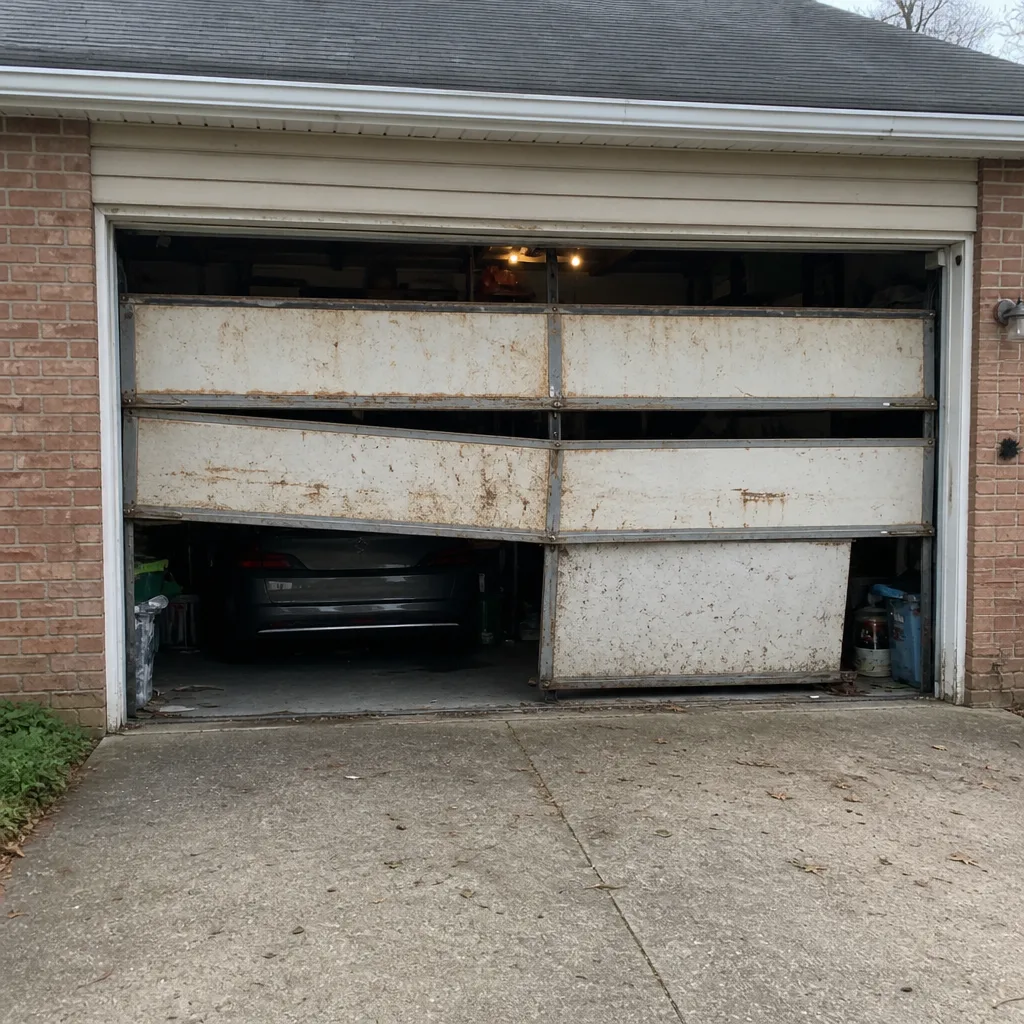 Before
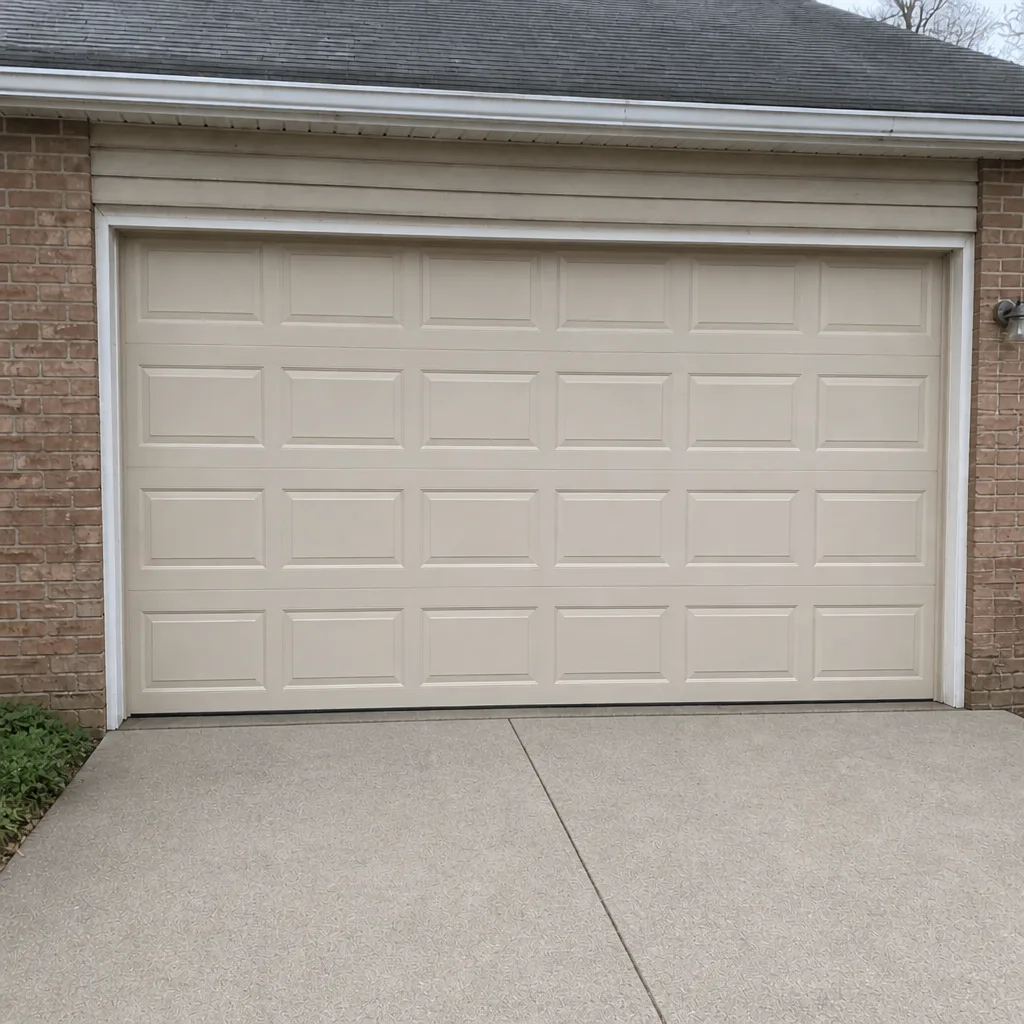 After
When to Call a Professional
Some jobs are fine to handle yourself: lubricating rollers, tightening a loose hinge, or wiping down the tracks. Others need a trained eye. Call a professional when a spring breaks (you’ll usually hear a loud bang), when the door is off its track or sitting crooked, when the opener runs but the door doesn’t move, or when the door reverses unexpectedly or won’t close. Any job that involves a torsion spring, a cable, or a heavy panel belongs to a technician. If you’re unsure whether your door is safe, don’t force it – that’s the moment to stop and get help.
Waldorf Garage Door Repair Co offers free estimates in Waldorf – call (855) 658-4231. We’re reachable for emergencies too, including a door that leaves your home unsecured or your car trapped.
Frequently Asked Questions
Look above the door. A single coiled horizontal shaft across the top means torsion springs. Coils running along the side tracks mean extension springs. Most newer Waldorf-area homes have torsion systems, while some older homes use extension springs.
Yes – broken springs, doors off track, and opener failures are typically handled the same day when we can get to you. Call (855) 658-4231 and we’ll book the soonest available slot. Emergency repairs take priority because a broken door leaves your home unsecured or your car trapped.
Spring repair typically runs $180-$340 for a single spring. If you need a matched pair replaced together, expect about twice that. The price is quoted and agreed before any work starts, so you’ll know the cost before we begin.
Once a year is a good baseline, plus a quick check whenever you notice a new noise or the door seems to move differently. Waldorf’s humidity makes lubrication especially important, since moist air rusts bare metal parts faster.
We service a broad range of brands, including LiftMaster, Chamberlain, Genie, Clopay, Amarr, Wayne Dalton, Craftsman, and Raynor. We work on the brand already in your garage, so you don’t have to switch systems to get help. If you’re not sure of your brand, the label on the door or opener will tell us.
For most homes, it’s worn springs combined with the local climate. Humidity rusts bare metal, temperature swings stress springs and fasteners, and constant daily use adds up. Annual lubrication and a quick visual check catch most issues before they cause a breakdown.
The Bottom Line
Your garage door is the hardest-working mechanical system in your home, and in Waldorf’s humid, temperature-swinging climate it takes more wear than most homeowners realize. The winning approach is straightforward: understand what you have by reading the labels, keep up with basic lubrication and inspections, treat springs and cables as professional-only work, and weigh repair against replacement honestly. Fix the small things early and you avoid the expensive failures later. When you need help, Waldorf Garage Door Repair Co handles springs, openers, tracks, panels, and full installations, so one call covers the whole system.
Call (855) 658-4231 for a free estimate in Waldorf. We’ll tell you what’s wrong, what it costs, and whether repair or replacement makes more sense for your door.
Written by the team at Waldorf Garage Door Repair Co.