Last updated November 23, 2026
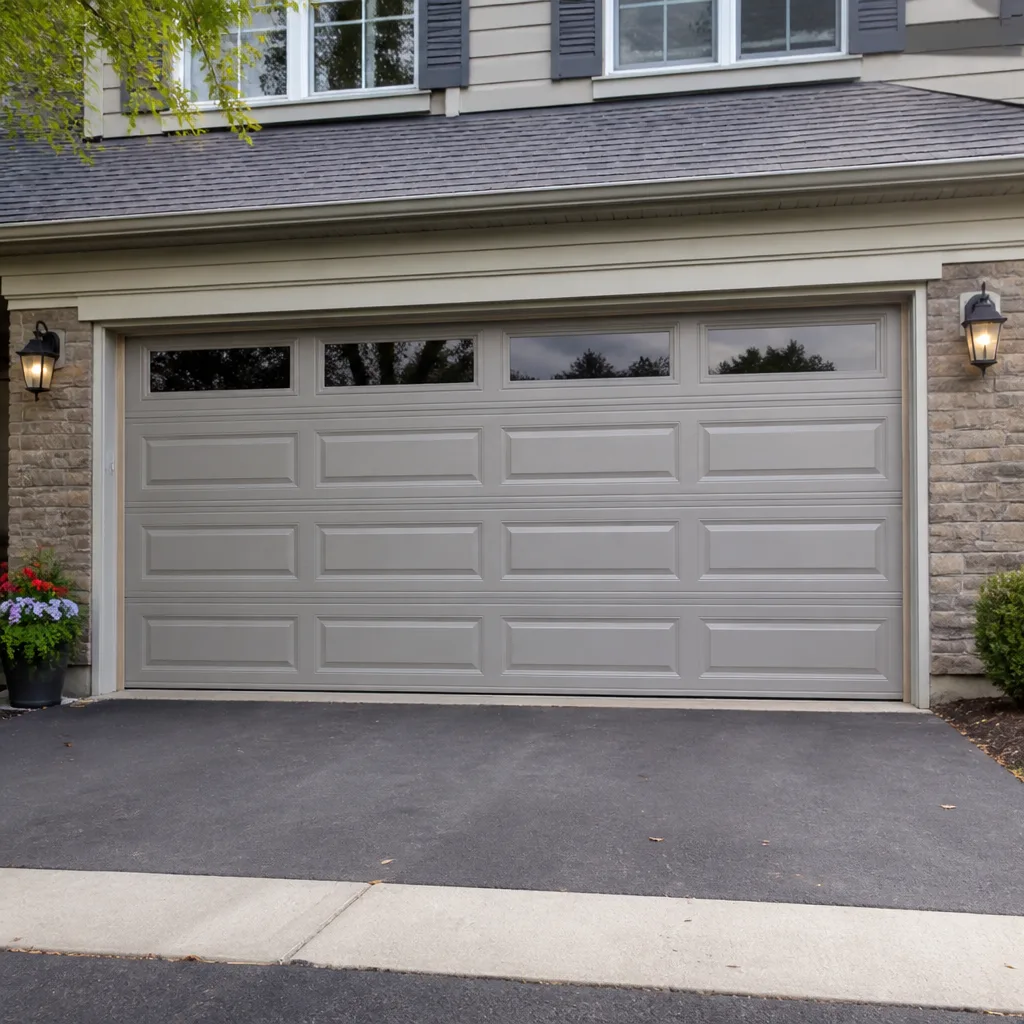 Raised-panel steel
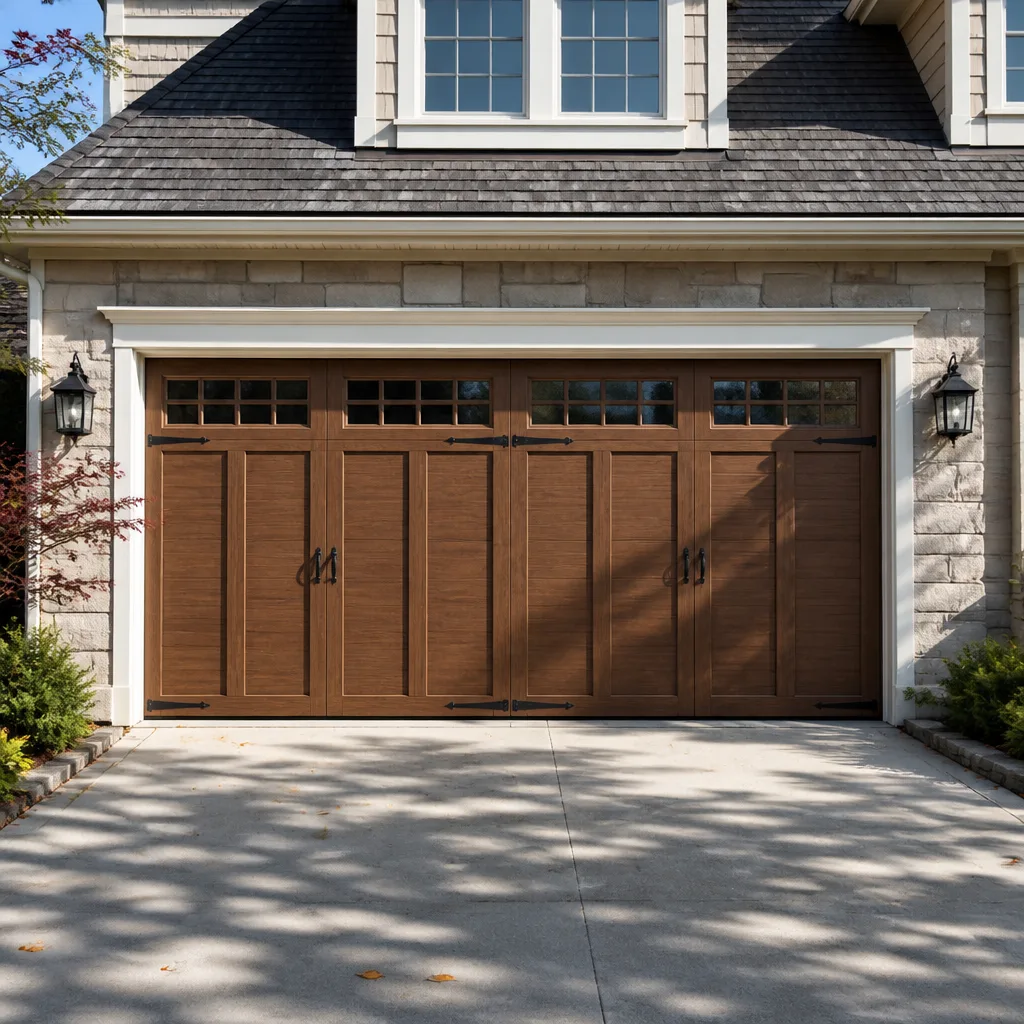 Carriage house
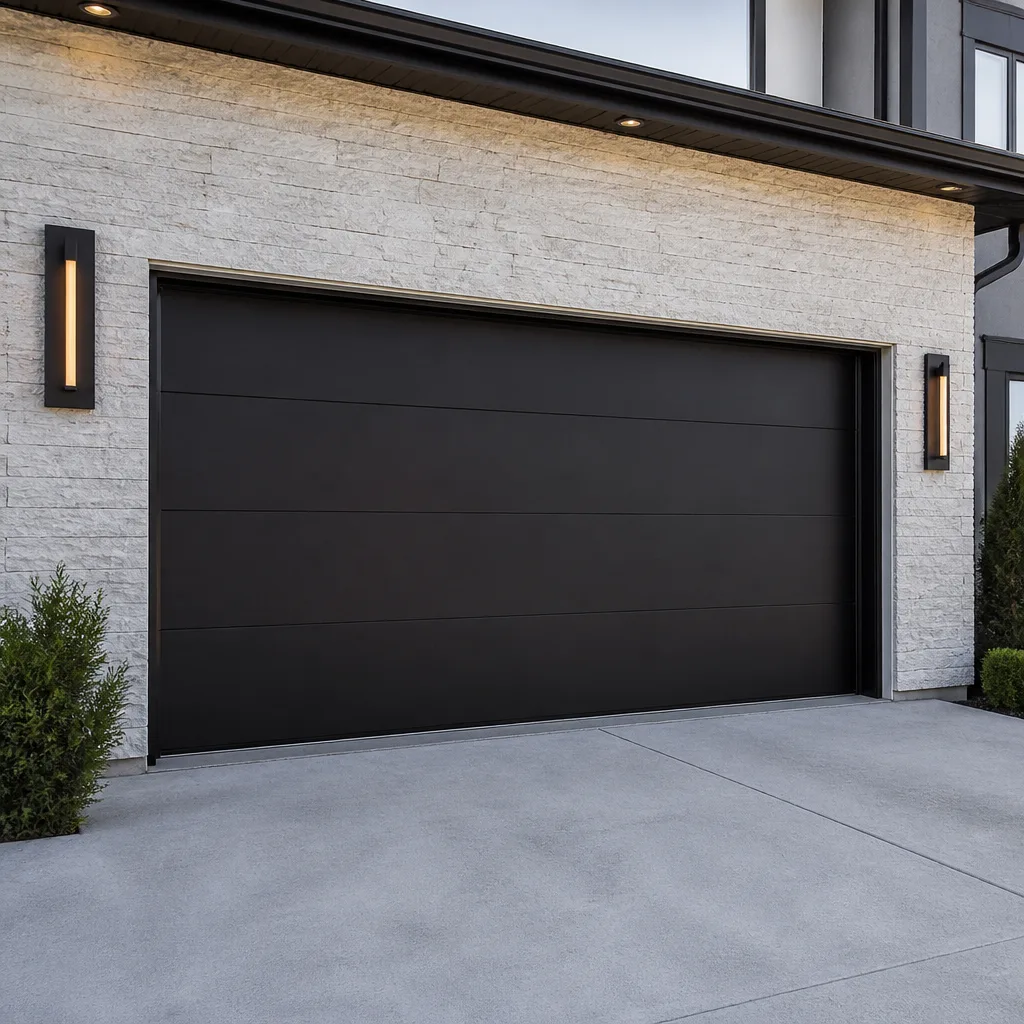 Modern flush
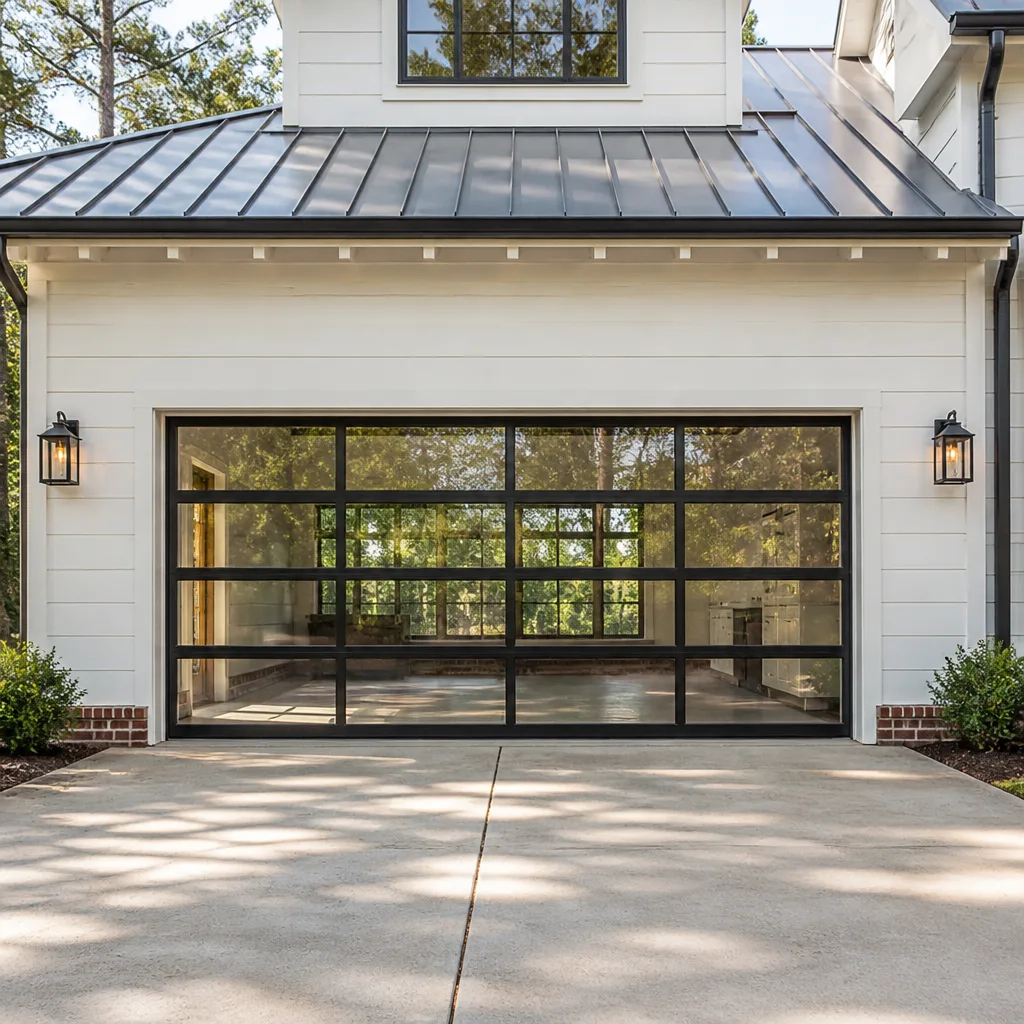 Full-view glass
 LiftMaster openers
 Chamberlain openers
Full 25-point door and opener safety check with every visit - springs, cables, rollers, tracks, and your LiftMaster or Chamberlain opener included
You get a price before we start. It does not change when the pro arrives.
Get your free estimateDIY vs Professional Garage Door: The Waldorf Homeowner’s Decision Guide
A torsion spring holds enough stored energy to throw a winding bar through drywall. That’s not a scare tactic; it’s the physics of a wound steel coil under load. And it’s why “watch a video first” has a hard limit in garage door work. The internet blurs the line between tasks you can safely handle and jobs that can maim you, and homeowners in Waldorf end up on both sides of that line: overpaying for a sensor tweak, or wrestling a spring they should have left alone. This guide draws the line clearly, tells you what each side costs, and shows you how to read a symptom before you touch anything.
Quick Answer
Safe DIY jobs include lubrication, sensor alignment, remote reprogramming, and weather seal replacement. Jobs that require a trained technician no matter how handy you are: torsion spring replacement, cable replacement, and track realignment while the door is under load. Everything else falls in a gray zone you can usually sort out from the symptom alone, which is exactly what this guide helps you do.
Styles & brands we work with
- Raised-panel steel
- Carriage house
- Modern flush
- Full-view glass
- LiftMaster openers
- Chamberlain openers
Table of Contents
- The Line Between DIY-Friendly and Dangerous
- What’s Safely DIY in a Waldorf Garage
- What Should Never Be DIY
- Reading the Symptom: Safe to Try or Call a Tech?
- The Real Cost Comparison
- How DIY Can Void Manufacturer Coverage
- Maryland Licensing and Why It Matters for Your Warranty
- When to Call a Professional
The Line Between DIY-Friendly and Dangerous
Garage doors are one of the few home systems that combine heavy moving parts, high tension, and a motor that can push a few hundred pounds without complaint. That combination creates a wide range of jobs, and the risk difference between them is enormous. Swapping a weather seal is on the same continuum as replacing a torsion spring, but the two tasks have nothing else in common. The internet tends to flatten that distinction because a video about either looks equally calm and easy on a screen.
Walk through any Waldorf neighborhood, from the older streets off Leonardtown Road to newer builds near St. Charles, and you’ll find the same equipment doing the same job under the same conditions: a steel door, two torsion springs (or a pair of extension springs in older homes), a track system, and an opener. The mechanics are unforgiving, but the risk isn’t uniform. We separate the tasks this way:
- Green zone (safe DIY): lubricant, sensor alignment, remote programming, seal replacement, visual inspection.
- Yellow zone (check before you touch): rollers, hinges, minor adjustment, opener reset, door balance check.
- Red zone (never DIY): torsion springs, extension springs, cables, drums, anything under tension, and track work while the door is loaded.
The green zone saves you money without exposing you to injury. The yellow zone is a judgment call that depends on your tools and confidence. The red zone has no exceptions. This guide walks each one in detail.
What’s Safely DIY in a Waldorf Garage
These jobs take an hour or less, need basic tools, and won’t put your hands anywhere near stored energy. If you can climb a step stool and follow directions, you can do them.
- Lubrication. A garage door should be lubricated once or twice a year, more often in a climate with hot summers and cold winters like Waldorf’s. Use a silicone- or lithium-based spray on the hinges, rollers, and spring coils, and a light garage-door grease on the track. Never use WD-40 as a lubricant; it attracts dust and gums up over time.
- Safety sensor alignment. The two small sensors near the floor on either side of the door need a clear line of sight to each other. If the door reverses on its own or won’t close, check that both LEDs are solid, wipe the lenses, and nudge each sensor until the light steadies. That’s it.
- Remote reprogramming. A remote that stops working after a power outage or a battery change usually just needs to be re-paired to the opener. Every opener brand has a “learn” button on the motor housing, and the manual tells you the exact sequence. This is the single most common “repair” call we get that a homeowner could have handled.
- Weather seal replacement. The rubber flap at the bottom of the door, and the brush or vinyl seals on the sides and top, wear out every few years. New seals cut drafts, keep insects out, and reduce rain intrusion. Cut to length, slide into the retainer, done.
- Visual inspection. Once a season, look at the springs for gaps or corrosion, run your hand along the cables (they should be tight with no fraying), and listen for grinding or popping. You’re not fixing anything yet; you’re catching problems early.
If a task isn’t on this list, don’t assume it’s safe just because someone on a forum said so. When in doubt, we’re happy to tell you which zone your symptom falls into. More on the garage door repair side shortly.
What Should Never Be DIY
The red zone is short but absolute. A torsion spring on a standard residential door is wound to hundreds of foot-pounds of torque. That stored energy is what makes the door feel light. It’s also what makes spring work dangerous: if the spring lets go while you’re winding it, the bar in your hand can travel faster than you can react. Extension springs, common on older homes, carry similar risk and can fail without warning. Cables are under the same tension and can slice through a hand.
The jobs that stay off-limits no matter what:
- Torsion spring replacement. The spring above the door stores force in a coil. Winding bars, proper door blocking, and a working knowledge of the counterbalance system are all required. This is our most common repair, and it’s also the one most often half-finished by a homeowner who gave up mid-job.
- Extension spring replacement. Same risk in a different direction. Older Waldorf homes with horizontal springs along the track need the same caution.
- Cable replacement. Cables are the steel tension lines that lift the door. A snapped cable is a near-guaranteed cut or worse if you try to handle it under load.
- Track realignment under load. A door that’s jumped the track is heavy and unbalanced. Straightening the track while the door is up is how people lose fingers.
- Drum and bracket work. Anything that carries the spring force back into the door. Leave it.
We’ve seen plenty of bent doors in Waldorf caused by a homeowner trying to “hold” the door up with a screwdriver and a prayer. That’s not a knock on the homeowner. It’s a knock on a video that made it look easy. Our garage door spring repair technicians do this every week, with the right bar, the right blocking, and a second set of hands when the door is bent.
Reading the Symptom: Safe to Try or Call a Tech?
You can usually tell which zone you’re in from the symptom alone. This is the part most guides skip, and it’s the most useful table you’ll read on the subject. A few symptoms describe what a homeowner can fix. A few describe what only a trained tech should touch.
Symptoms You Can Start With Yourself
- Remote won’t work, but the wall button does. Remote battery or programming. Try a new battery, then re-pair the remote.
- Door reverses on the way down and the light blinks. Sensor misalignment. Wipe and realign the sensors.
- Door is noisy. Usually lubrication or a worn roller. Lubricate first, then inspect the rollers.
- Door doesn’t close all the way; the bottom seal looks crushed. Weather seal replacement.
- Opener light blinks a certain number of times. Most systems use blink codes; the manual tells you what each one means. It’s worth looking up before you call.
Symptoms That Mean Stop and Call
- Loud bang from the garage, door won’t lift, and you can see a gap in the spring. Broken spring. Don’t force the door.
- Door is crooked, one side higher than the other. Cable or spring failure on one side. Don’t run the opener.
- Door has come off the track. Track or roller failure under load. Don’t try to jimmie it back in.
- Door slams down fast. Counterbalance is gone. This is a safety hazard, not a noise complaint.
- Cable is loose, sagging, or frayed. Stop. Don’t operate the door.
- Opener runs but the door doesn’t move, and you smell burning. Could be opener or drive gear. Stop using it.
If the symptom is one of the last six, the garage door opener repair and spring work needs a professional. If it’s one of the first five, try the fix. If the fix doesn’t work, you’ve learned something useful and lost nothing.
The Real Cost Comparison
Here’s where the “DIY saves money” assumption gets tested. Some tasks do save real money. Others cost you more when they go wrong, because a failed DIY job usually means a bigger repair once a pro pries the door apart. Below are typical Waldorf-area ranges for the tasks in this guide. These are estimates only; the written quote from your technician is the final word.
| Task | Typical Professional Cost | DIY Reality |
|---|---|---|
| Lubrication | $0 if bundled with other service; small stand-alone charge otherwise | Free. Do this one yourself. |
| Sensor alignment | $75 – $125 | Free with a screwdriver and 10 minutes. |
| Remote reprogramming | $75 – $125 | Free. Read the manual. |
| Weather seal replacement (bottom) | $100 – $200 installed | Material cost only; safe if you’re comfortable on a ladder. |
| Roller replacement (set) | $150 – $275 | Possible for a confident homeowner; safe if the door is properly blocked. |
| Torsion spring, one spring | $180 – $340 | Not safe. Don’t attempt. |
| Torsion spring, matched pair | Roughly double the one-spring figure | Not safe. Don’t attempt. |
| Extension spring, one | $150 – $280 | Not safe. Don’t attempt. |
| Cable replacement | $150 – $300 per side | Not safe. Don’t attempt. |
| Off-track correction | $200 – $400 | Not safe if the door is loaded. |
| Opener repair | $150 – $400 depending on the part | Occasionally DIY for remotes and batteries; not for the motor. |
The math is simple. A homeowner saves about $75 to $125 DIYing a sensor alignment or remote reprogramming. A homeowner who tries a spring replacement and gets it wrong can end up paying for a bent door, a snapped cable, and a broken opener on top of the spring job. The saved labor on the safe tasks is real money. The “saved” labor on the dangerous tasks is a gamble against the price of the whole door. We’ve been called to Waldorf homes more than once where the door had to be replaced entirely because the original DIY spring job warped it. That’s the opposite of a savings. Call (855) 658-4231 for a free estimate on any of these tasks before you decide; we’re happy to give you a straight number.
How DIY Can Void Manufacturer Coverage
This is the part of the DIY decision most homeowners never consider. Garage doors and openers come with manufacturer warranties on the springs, the tracks, the panels, and the opener motor. Those warranties are written to cover defects, not to cover damage caused by improper installation or service. If you install a door or replace a spring yourself and the door later fails, the manufacturer has grounds to deny the claim because they can’t tell whether the failure was a defect or the install.
- Springs and cables. Most spring and torsion assemblies are covered only when installed by a qualified technician. A DIY spring swap usually ends the warranty on that component.
- Door panels and tracks. Warping or track damage from an improperly balanced door can be excluded from coverage even if the original defect would have been covered.
- Openers. Manufacturers of LiftMaster, Chamberlain, Genie, and Craftsman openers all write their warranties to cover defects in materials and workmanship, not failures caused by improper installation. A DIY install on a rail-mounted opener can void coverage on the whole unit.
- Finish warranties on Clopay, Amarr, and Wayne Dalton doors. Panel replacements or track modifications done without training can void the finish warranty, because the issues often trace back to alignment or tension.
The safe rule: anything covered under a manufacturer warranty should be installed or repaired by a technician whose work the manufacturer recognizes. That keeps your coverage intact and gives you a paper trail if something goes wrong later. Our technicians have up to 10 years of experience and the same skill set across Waldorf Garage Door Repair Co for every brand we work on.
Maryland Licensing and Why It Matters for Your Warranty
Maryland regulates home improvement contractors through the Maryland Home Improvement Commission (MHIC), and garage door work falls under that umbrella. A licensed contractor has passed the state’s competency requirement and carries the insurance the state requires. If you hire someone, the MHIC license is the single most useful thing to check. It takes two minutes on the state’s website and it separates a legitimate operation from one that can disappear after taking a deposit.
Here’s the part that surprises homeowners: MHIC licensing also affects your warranty claim. A manufacturer reviewing a failed component will often ask who did the work. If the answer is “I did it,” the manufacturer can deny the claim on the grounds that the work wasn’t done by a licensed or certified installer. If the answer is a licensed contractor, the claim goes through normally. The license isn’t just paperwork; it’s the bridge between you and the manufacturer’s warranty.
For any door work that touches the structure or the spring system, we recommend hiring a technician who can show an MHIC license and insurance. If you’re doing a small safe-zone repair yourself, that’s a different story; the warranty on your remotes and sensors rarely comes up. But the moment you’re looking at a spring, cable, or new panel, don’t sign a check to anyone whose license you can’t look up. The company that connects you to independent pros will also tell you to ask. Any legitimate one will.
The Maryland Climate Factor
Waldorf sits in the Mid-Atlantic, and that means a garage door here goes through real weather every year: hot, humid summers that push lubricant out of the hinges, and cold winters that make steel contract and springs stiffen. The temperature swing between July and January is enough to fatigue a spring that’s close to the end of its life. Two things follow from that.
- Lubricate more than the manual says. Twice a year is the minimum. A spring that runs dry will bind and eventually snap.
- Schedule a pre-winter inspection. A spring that’s still working in October can fail in the first cold snap of December. A quick inspection in fall catches it before you’re locked out of the garage on the coldest morning of the year.
We also get plenty of calls after summer thunderstorms, when wind-blown debris or a power surge knocks a sensor out of alignment or zaps an opener’s logic board. Most sensor calls are a five-minute fix. Most opener calls after a power surge are not, which is why we keep the loop diagnostics for the brand-specific equipment. If the storm hits and your door won’t respond, treat it like a symptom: safe zone first, then call.
When to Call a Professional
Call a professional when the symptom falls in the red zone, when a yellow-zone fix doesn’t work on the first try, when the door has clearly lost its balance, or when you can’t safely get the car out of the garage. Call immediately when a spring, cable, or track has visibly failed because a door in that state can drop without warning. Call when the opener smells hot, clicks without moving, or trips a breaker. Call before a manufacturer warranty claim needs a paper trail. And call when you’re planning a new door or a full opener replacement, because those need a measurement, a written price, and an installed product that holds up. Waldorf Garage Door Repair Co offers free estimates in Waldorf. Call (855) 658-4231.
See the difference
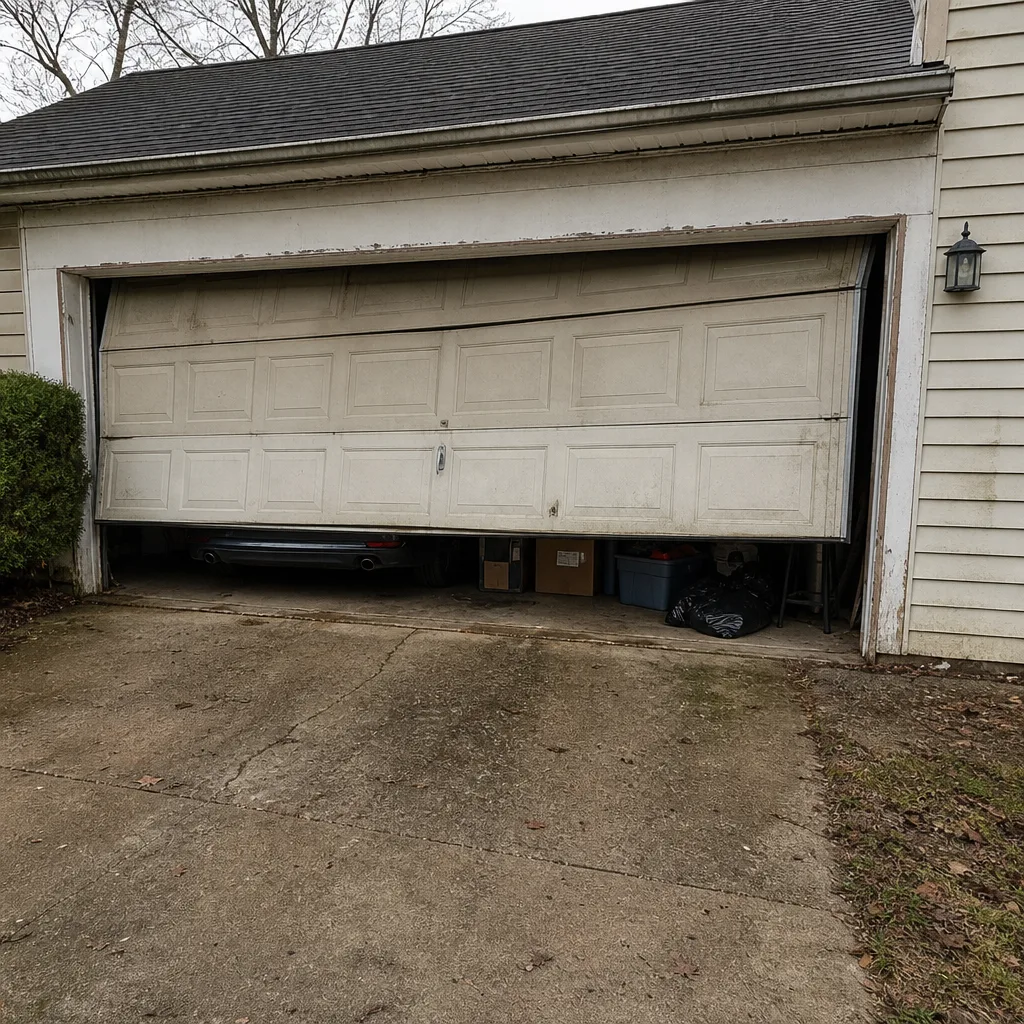 Before
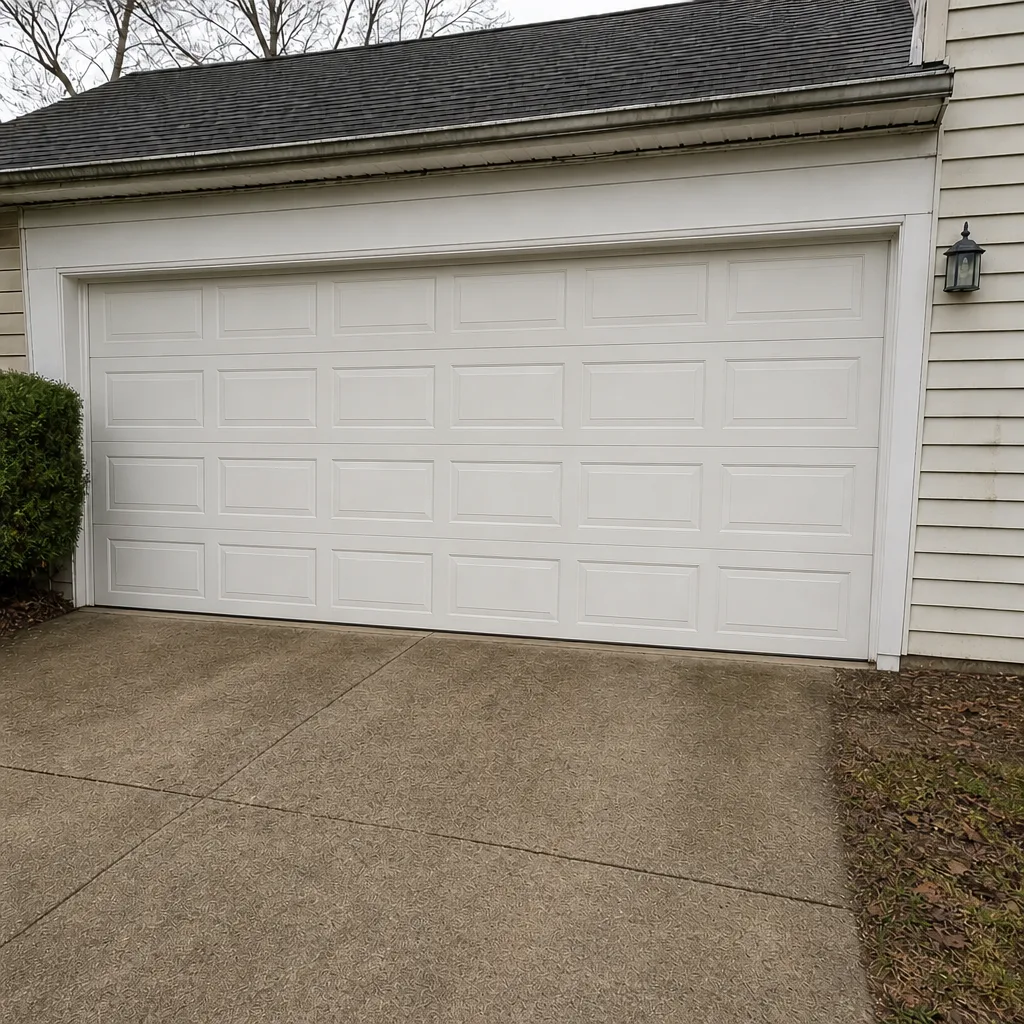 After
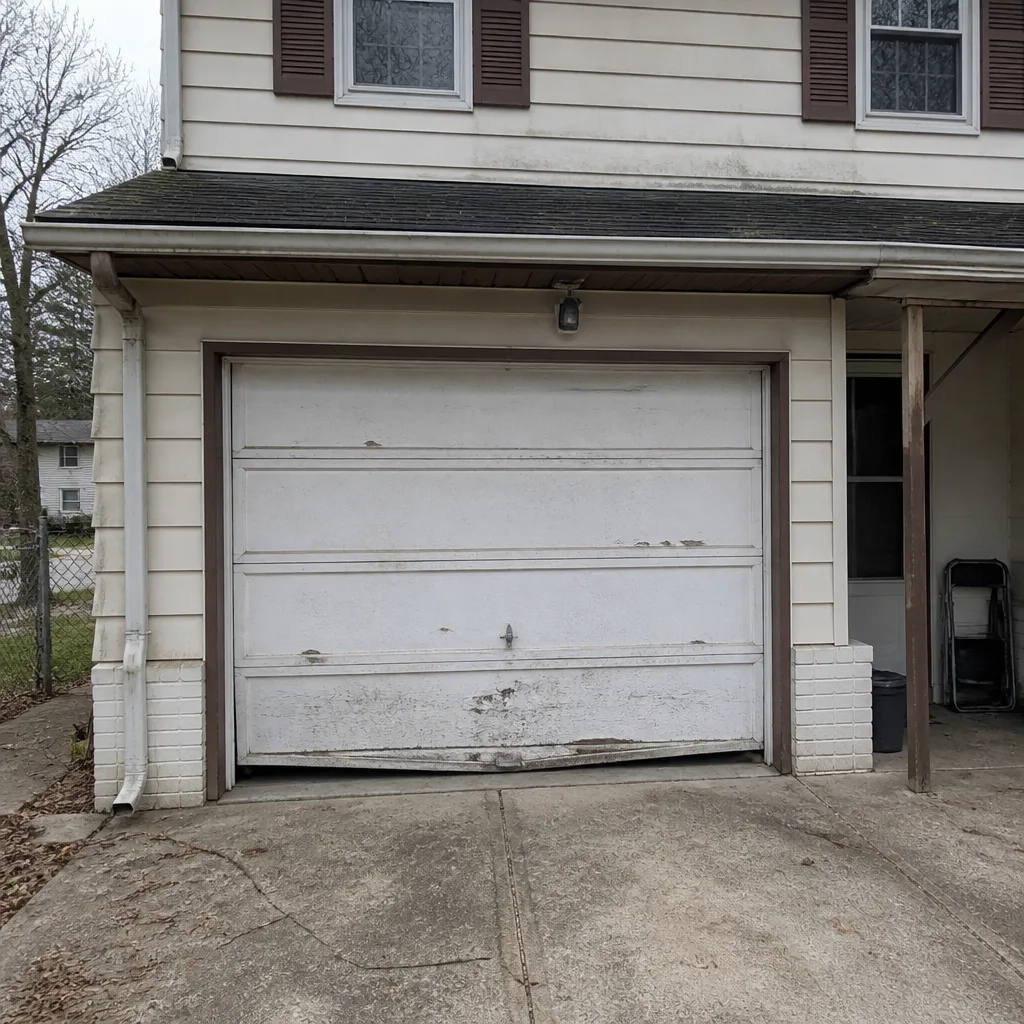 Before
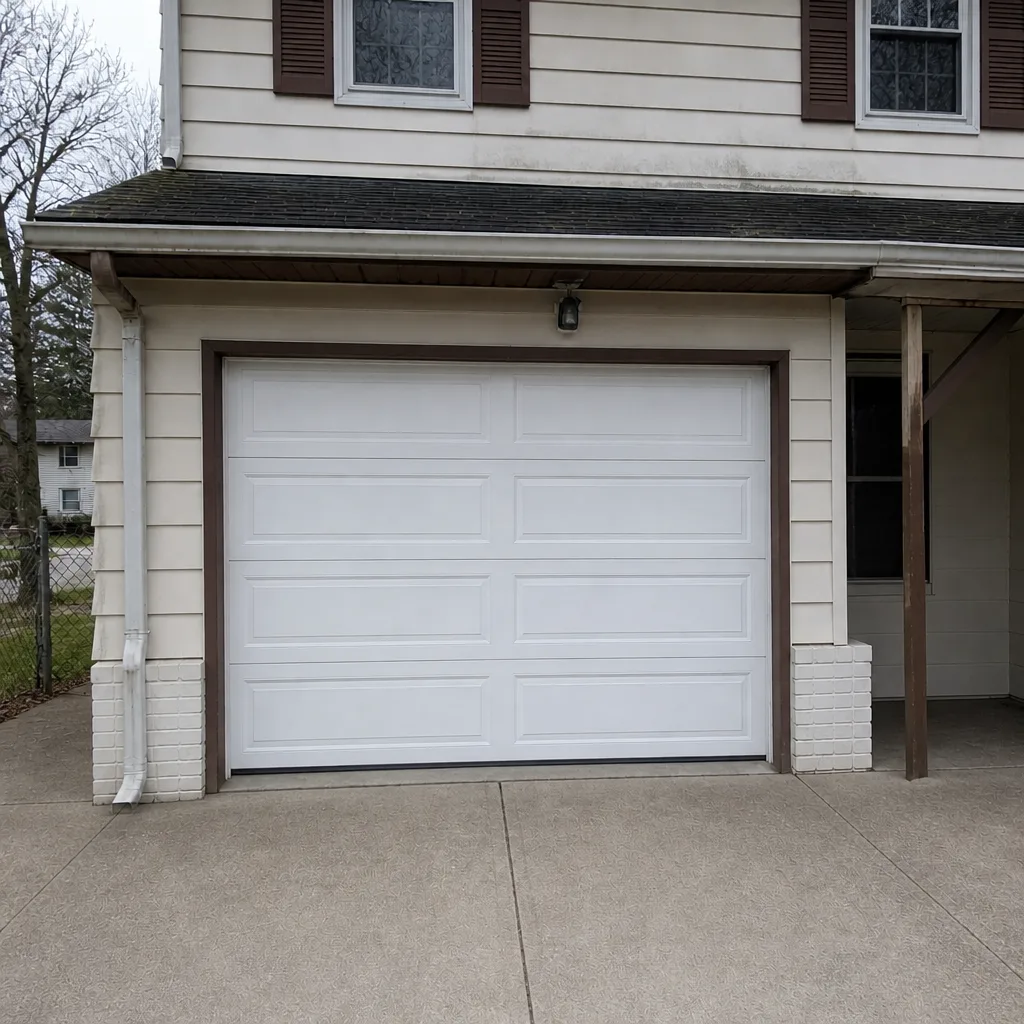 After
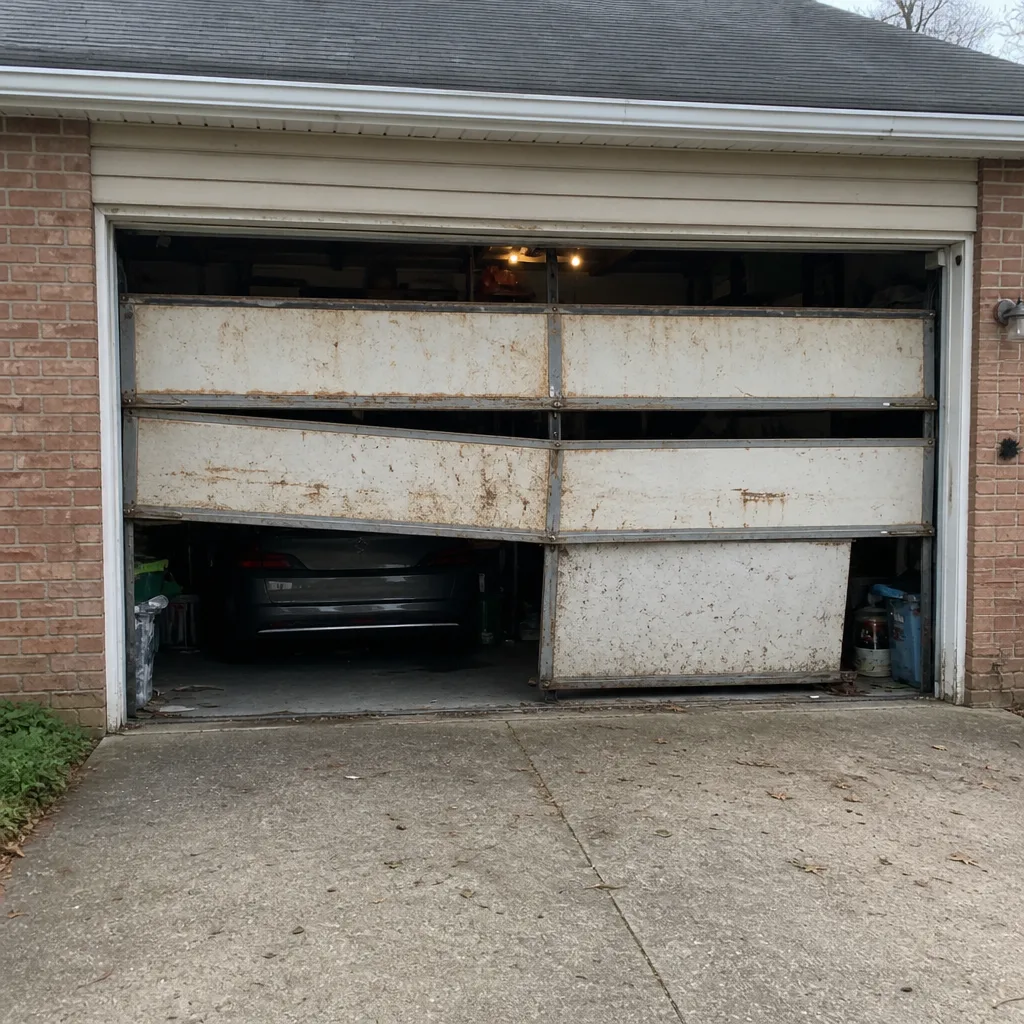 Before
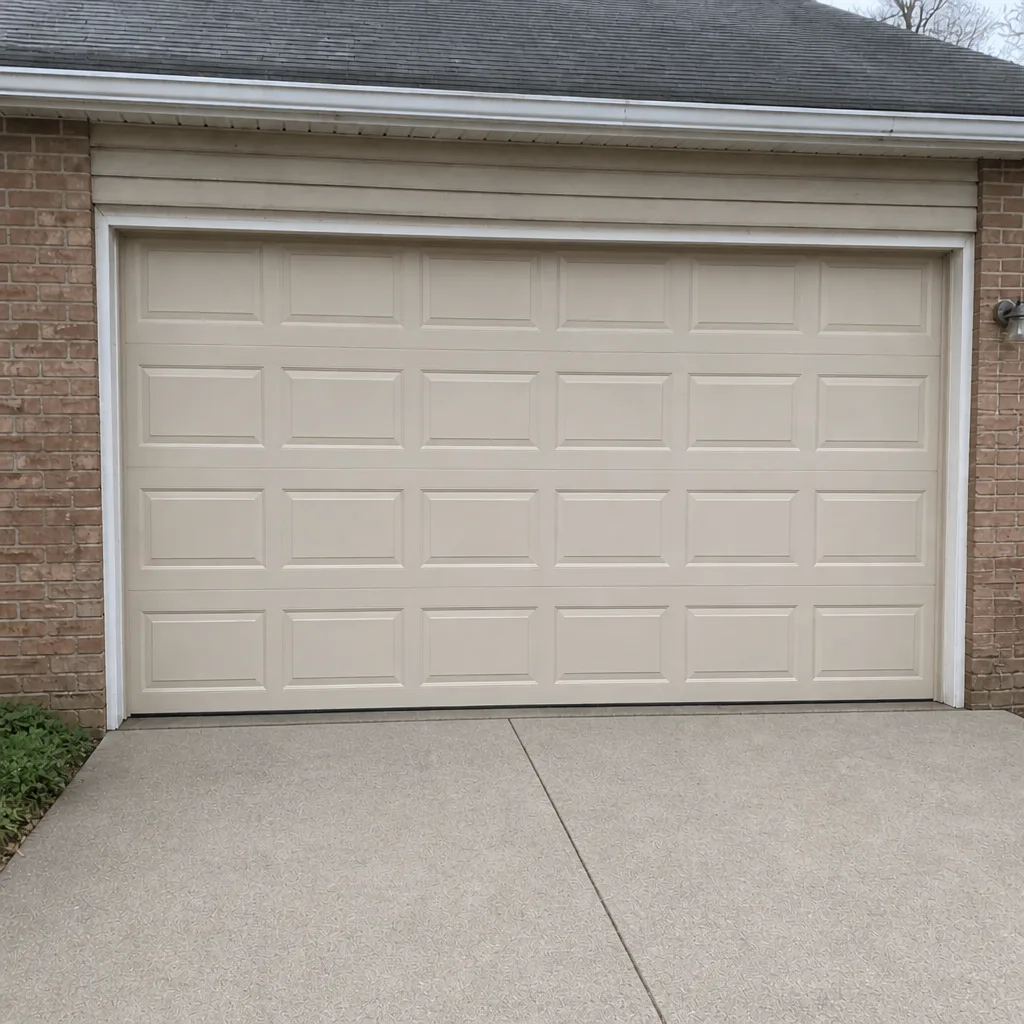 After
Common Mistakes to Avoid
- Winding a spring without the door blocked. A torsion spring can only be wound after the door is fully open and blocked. Many homeowners skip the blocking step. It’s the step that keeps the door from falling when the spring load changes.
- Using WD-40 on the track. It’s a solvent, not a lubricant. It strips the factory grease and attracts grit, and the door gets noisier within a month.
- Filing a warranty claim without proof of install. A manufacturer will ask for the installer’s information. If you did the work yourself, you may have voided your coverage.
- Buying a replacement spring by eye. Springs are matched to the door’s weight and to each other. A mismatched pair will fail early and put stress on the cables.
- Adjusting track bolts while the door is open. Track work under load is how fingers get caught. Close and block the door first, or better, call.
- Assuming an opener problem is the opener. A door that won’t lift is more often a spring or balance issue than a motor issue. Diagnose the door before you replace the motor.
- Calling a general handyman for a spring. Spring repair is a specialist job. A generalist who says “sure” and then fumbles the winding bar is a call we get a lot in Waldorf, usually after the door has already been bent.
Frequently Asked Questions
No. A torsion spring stores enough energy to seriously injure you, and spring replacement requires winding bars, proper door blocking, and training in the counterbalance system. The cost of a professional spring repair is far less than the cost of a bent door or an emergency room visit. Call (855) 658-4231 for a free estimate; one spring typically runs $180 to $340, and a matched pair is usually replaced together at about double that.
Lubrication, sensor alignment, remote reprogramming, and weather seal replacement are all safe and worth doing yourself. You’ll save roughly $75 to $125 on a sensor or remote call, and more on a seal replacement if you’re comfortable on a step stool. Roller replacement is a judgment call that depends on your tools and confidence.
It can, especially on springs, cables, openers, and panels. Manufacturers write their warranties to cover defects in materials and workmanship, not failures caused by improper installation. If a manufacturer can’t confirm the work was done by a qualified installer, they can deny the claim. Keep records of any professional work you have done.
If the symptom involves a spring, a cable, a crooked or crooked-feeling door, a door off the track, or a door that slams, it’s not safe. If the symptom is a remote that stopped working, a sensor that keeps the door reversing, a door that’s noisy, or a worn bottom seal, it’s safe to start. When in doubt, call and describe the symptom; a quick diagnosis over the phone costs nothing.
Yes. Garage door work falls under Maryland’s Home Improvement Commission licensing requirements, and a legitimate contractor should be able to show an MHIC license and insurance. Check the license before you sign anything. It protects you if the work goes wrong and it keeps the manufacturer warranty intact.
Typical ranges are $75 to $125 for sensor or remote work, $150 to $275 for a roller set, $180 to $340 for one torsion spring, and $150 to $400 for most opener repairs. A matched pair of springs is usually about double the one-spring figure. These are estimates; the written quote sets the final price and we confirm it before any work starts.
The Bottom Line
DIY garage door work is worth doing on the safe tasks: lubrication, sensor alignment, remote reprogramming, and weather seal replacement. It is not worth doing on the dangerous tasks: springs, cables, tracks under load, and drum or bracket work. The savings on the safe tasks are real and the risk on the dangerous tasks is real, and the internet does a poor job of separating the two. Read the symptom, match it to the zone, and act accordingly. When the symptom falls in the red zone or a safe-zone fix doesn’t work, that’s the point to call. Waldorf Garage Door Repair Co offers free estimates in Waldorf and can walk you through any brand of door or opener, from a Clopay panel to a Craftsman opener. Call (855) 658-4231 and we’ll get you a straight answer and a written price before any work starts.
Written by the team at Waldorf Garage Door Repair Co.