Last updated November 23, 2026
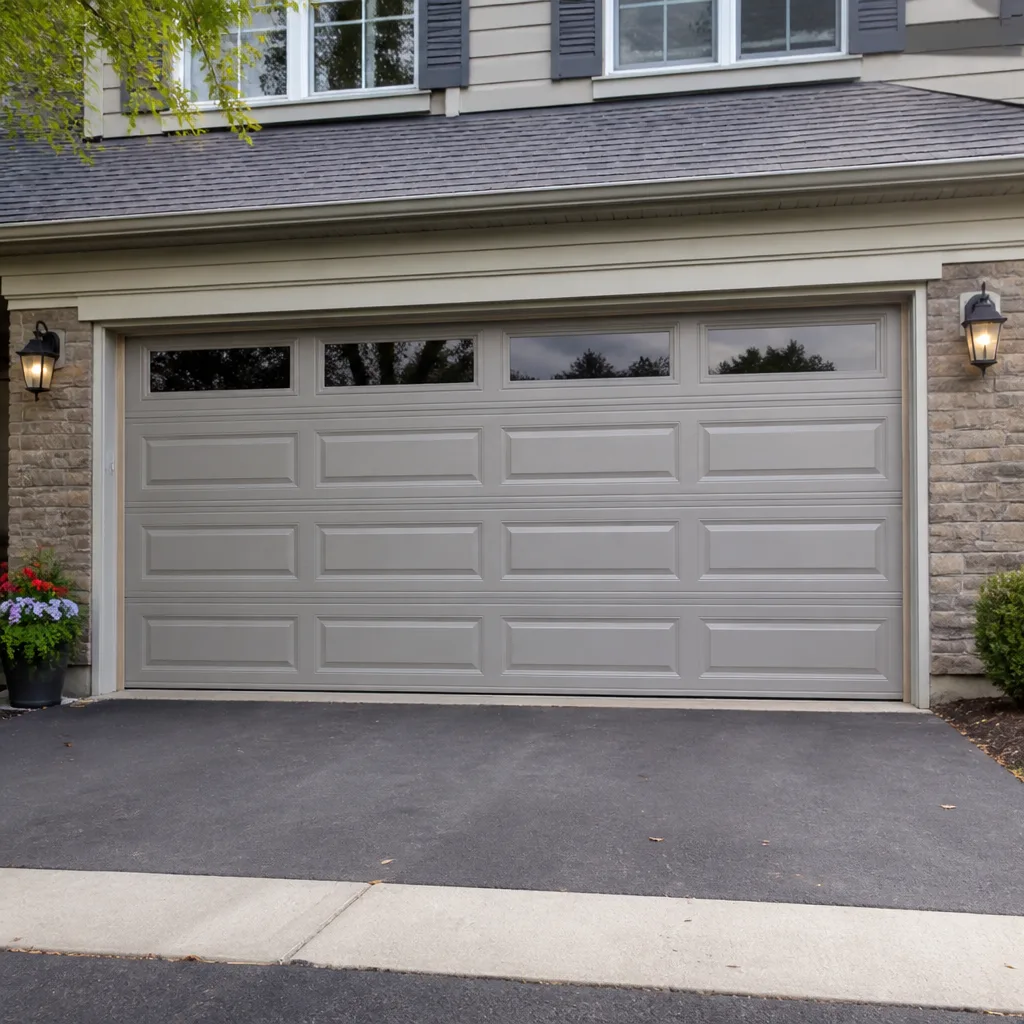 Raised-panel steel
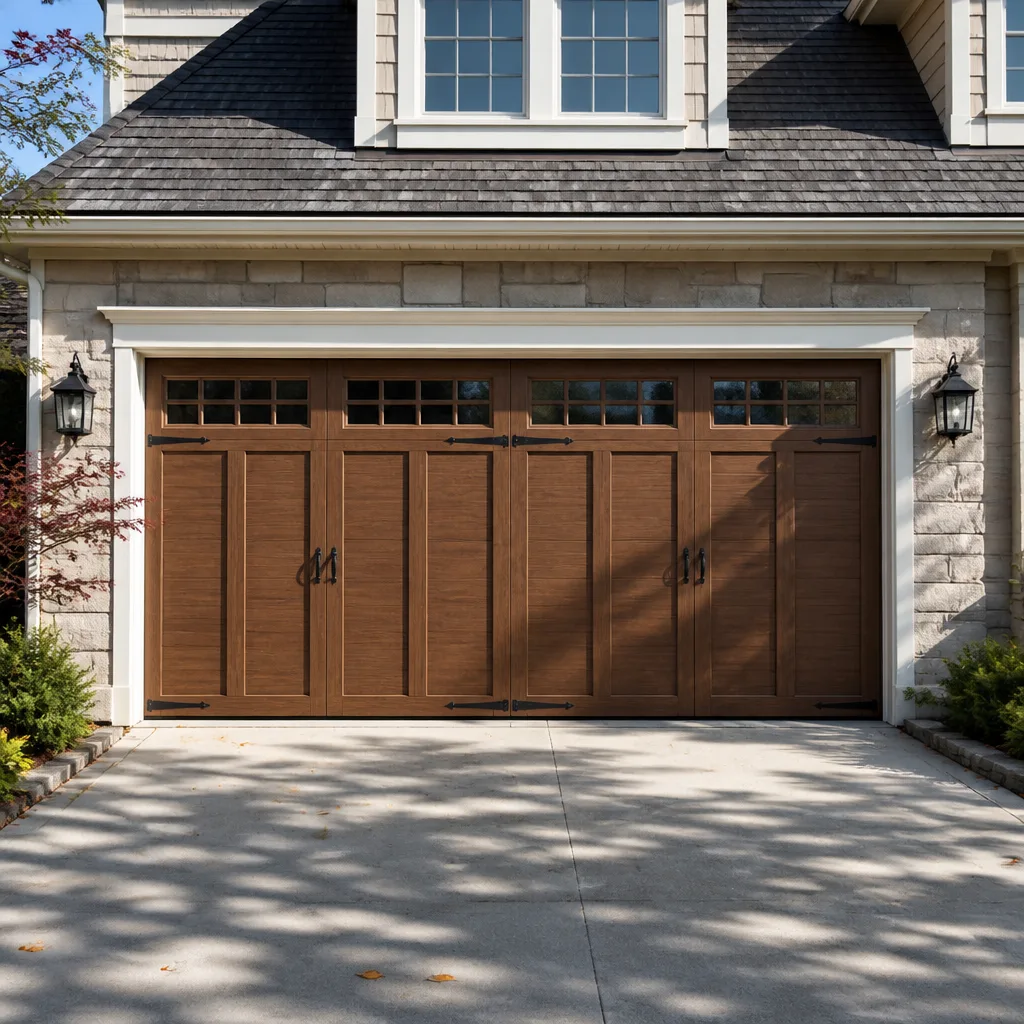 Carriage house
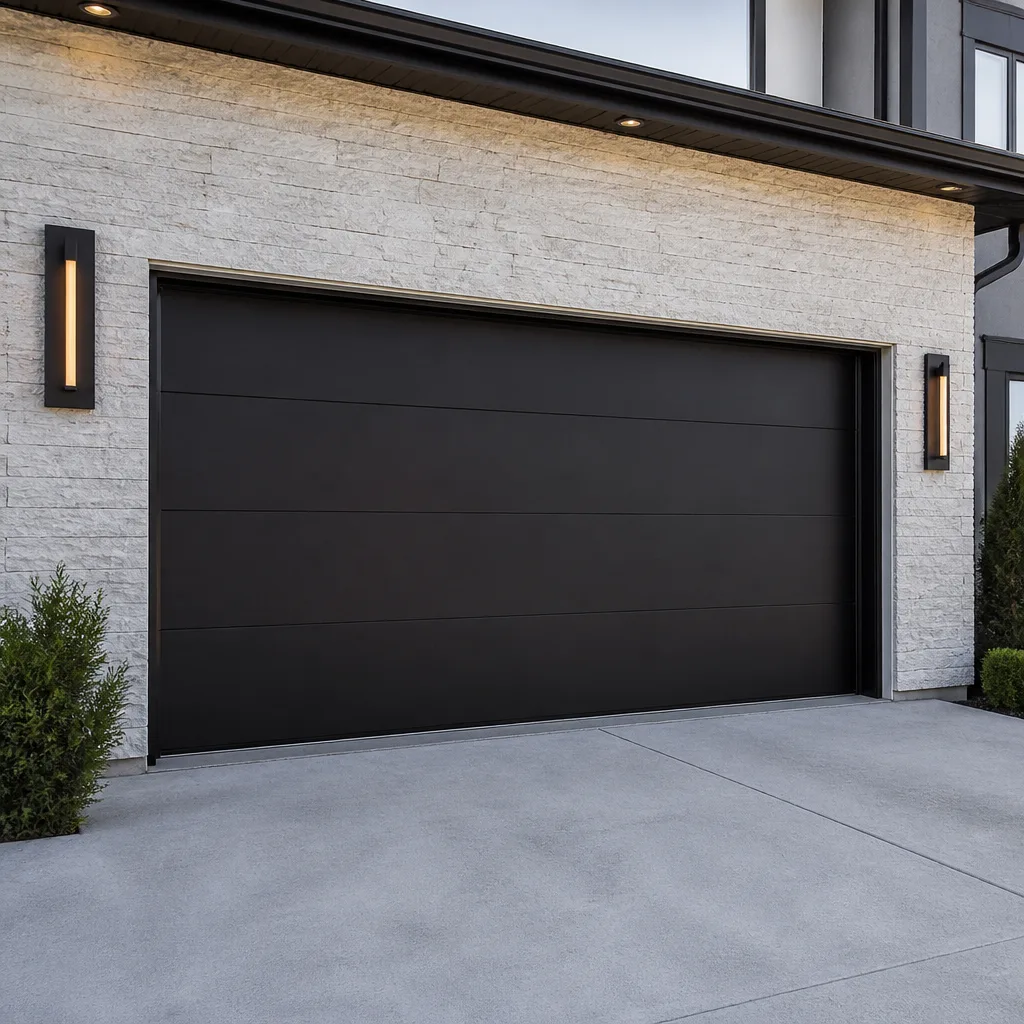 Modern flush
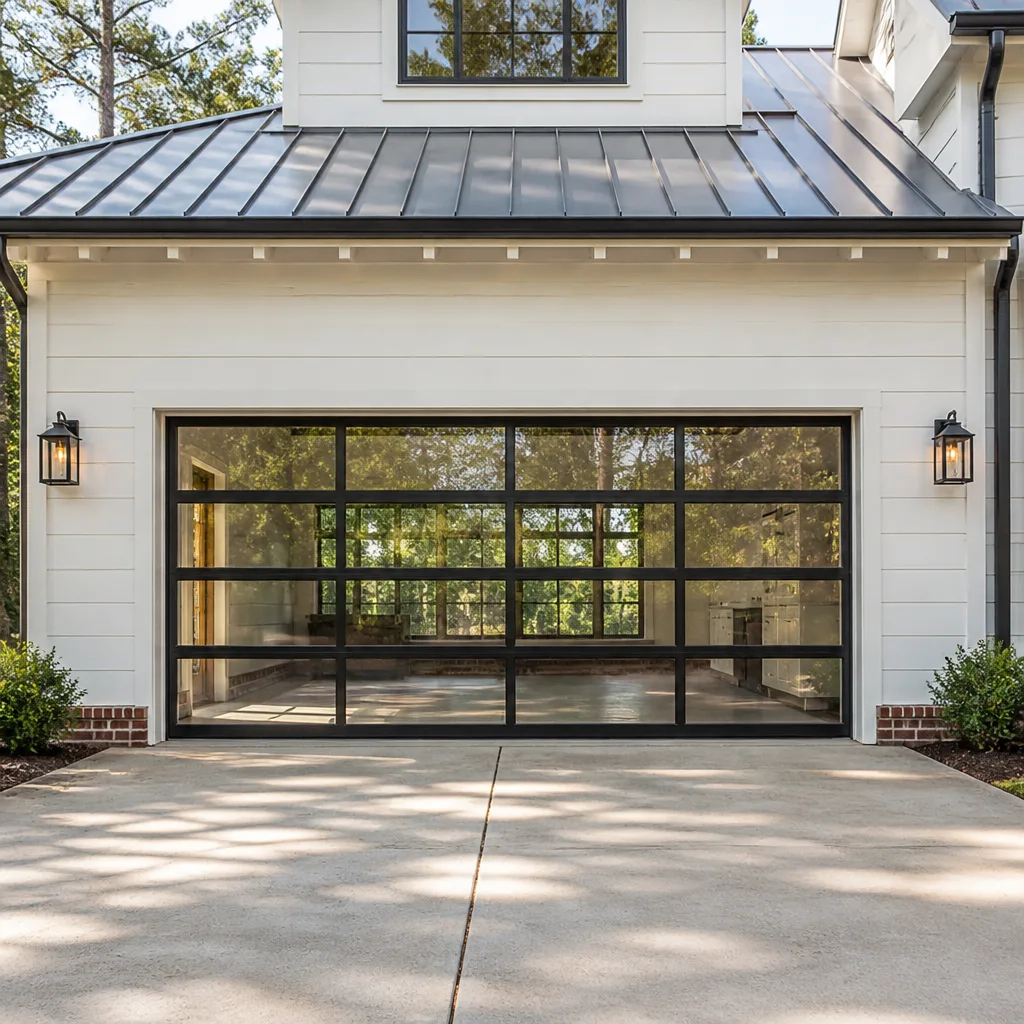 Full-view glass
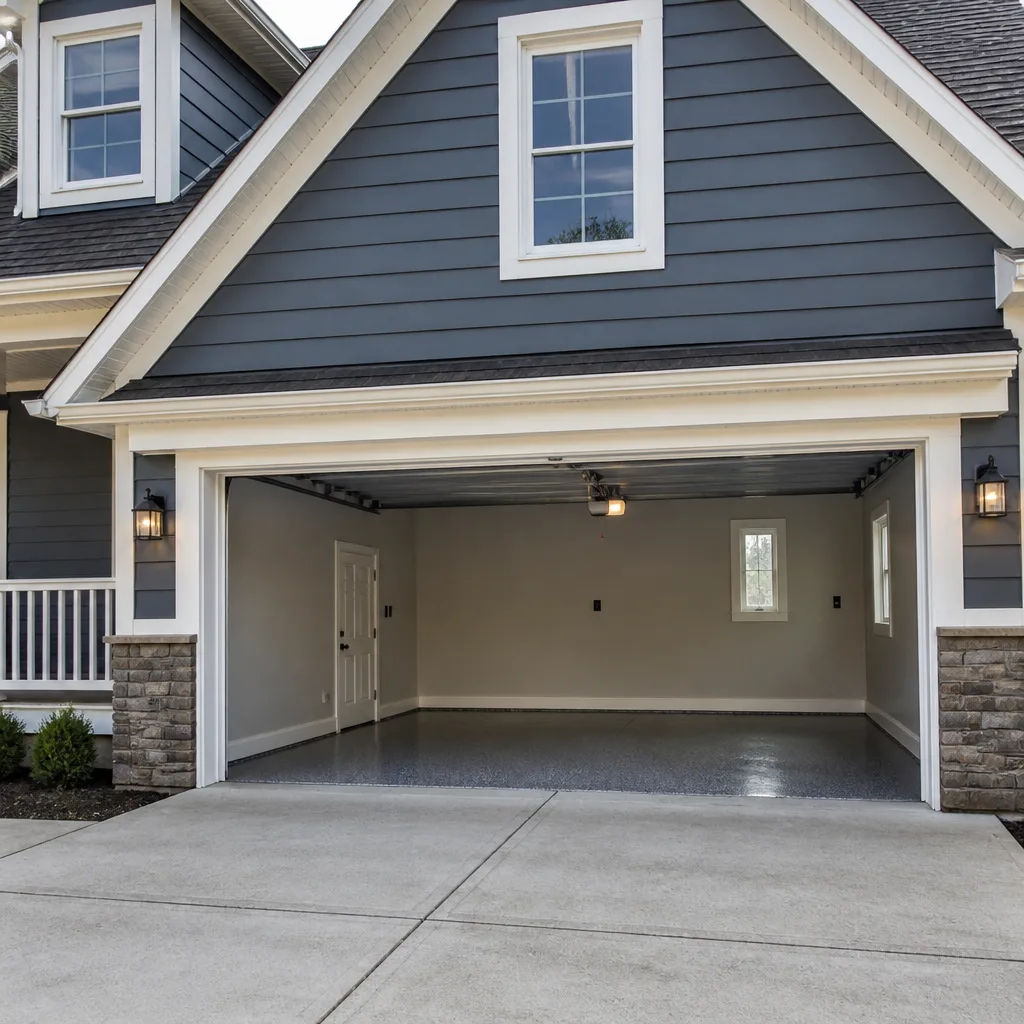 LiftMaster openers
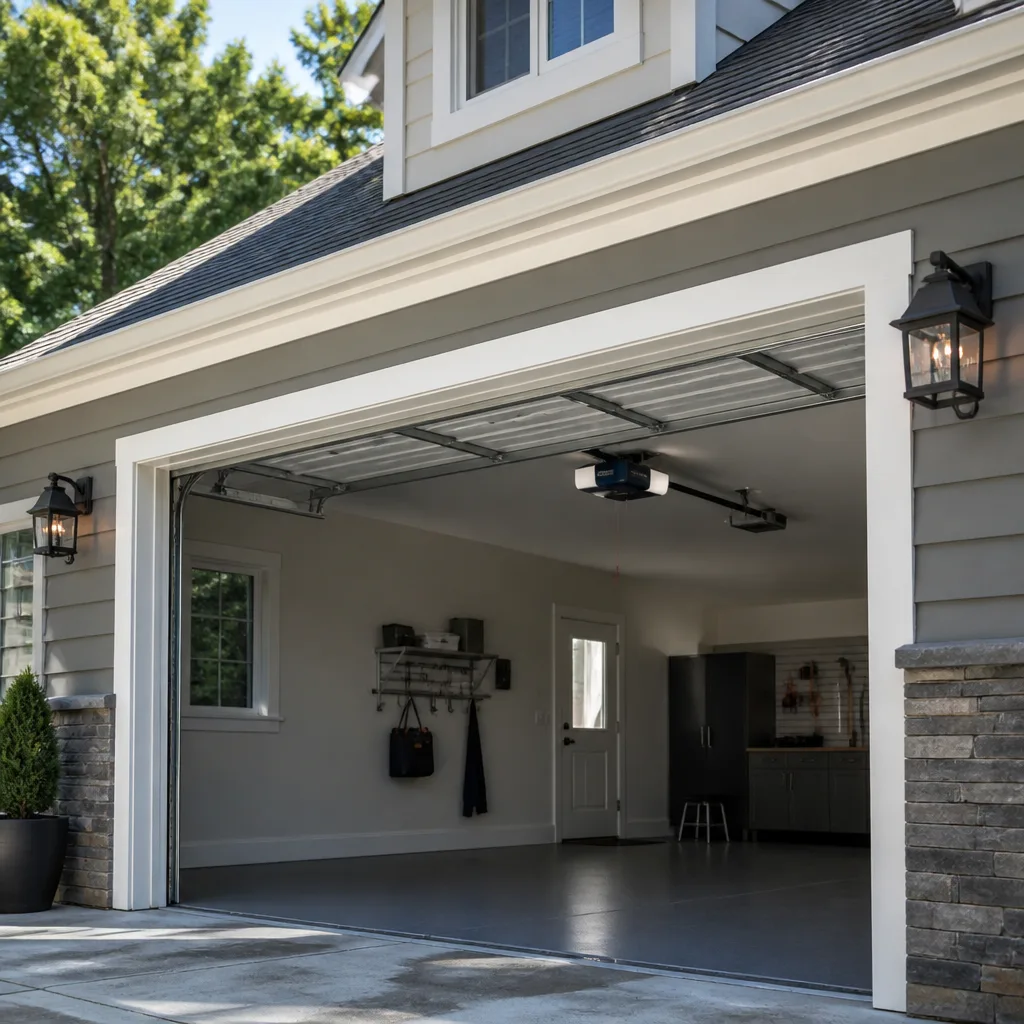 Chamberlain openers
Full 25-point door and opener safety check with every visit - springs, cables, rollers, tracks, and your LiftMaster or Chamberlain opener included
You get a price before we start. It does not change when the pro arrives.
Get your free estimateGarage Door Permits, Codes & Inspections in Waldorf, MD: What You Need to Know
Most homeowners in Waldorf assume a garage door swap is a permit-free weekend project. That assumption is the one we run into most often, and it’s the one that causes the most trouble later. Whether your new door looks good is not really the question. The question is whether Charles County will flag an unpermitted installation when you sell the house and require you to tear it out or pay for a retroactive inspection before the deal closes. This guide walks through which garage door projects need a permit through the Charles County Department of Planning and Growth Management, how the International Residential Code applies to spring tension and opener protection, what an inspection actually involves, and how a reputable contractor handles permitting. By the end, you’ll know exactly where your project stands.
Quick Answer
In Waldorf and the rest of Charles County, a straight like-for-like door replacement usually does not require a building permit, but structural changes do – widening an opening, altering a header, changing the framing, or a full replacement on an attached garage that changes the structural envelope. New openers and electrical work can also trigger requirements, and any unpermitted structural work can surface at resale. When in doubt, the Charles County Department of Planning and Growth Management is the authority to confirm with before work starts.
Styles & brands we work with
- Raised-panel steel
- Carriage house
- Modern flush
- Full-view glass
- LiftMaster openers
- Chamberlain openers
Table of Contents
- Why “It’s Just a Door Swap” Gets Homeowners in Trouble
- Which Garage Door Projects Need a Permit in Charles County?
- How the International Residential Code Applies to Your Door
- What Happens When an Unpermitted Installation Surfaces at Resale
- The Inspection Process: What to Expect and How Long It Takes
- How a Reputable Contractor Handles Permits (and Why Some Avoid Them)
- Waldorf-Specific Considerations
- Common Mistakes to Avoid
- When to Call a Professional
- Frequently Asked Questions
Why “It’s Just a Door Swap” Gets Homeowners in Trouble
Here’s the counterintuitive part: the projects that cause the most permit trouble are rarely the obvious ones. Nobody assumes that reframing an opening or replacing a header is permit-free. But the quiet, seemingly simple jobs – a full door replacement on an attached garage, a new opener wired into a dedicated circuit, a spring system swapped for a different tension setup – are exactly where homeowners assume no paperwork is needed. That’s where the surprise lands, at closing, years later.
The gap exists because garage doors sit in a strange category. They’re an exterior opening, a structural element, a mechanical system, and an electrical appliance all at once. A change to any one of those layers can pull the project into different code territory, and Waldorf homeowners often don’t realize which layer they’ve touched until an inspector or a buyer’s agent asks the question.
In our experience working on doors across Waldorf, the confusion usually isn’t carelessness. It’s that the rules aren’t posted anywhere a homeowner naturally looks. Nobody hands you a permit checklist when you buy a house with a garage. This guide fills that gap. You’ll learn which projects need a permit, how the code treats springs and openers, what an inspection looks like from scheduling to sign-off, and how to read the signals when a contractor tells you “you don’t need a permit for that.”
The short version: a permit isn’t about making your life harder. It’s the paper trail that protects the value of your Waldorf home when you sell it.
Which Garage Door Projects Need a Permit in Charles County?
The honest answer starts with a distinction: cosmetic replacement and structural change are not the same thing, and the county treats them differently. A new door hung in the same opening, same size, same tracks, same header – that’s generally a replacement, not construction. Once you touch the structure, you’re in permit territory.
Here’s how the projects typically sort out in Waldorf and the surrounding Charles County area:
Usually no building permit
- Replacing a door with one of the same size in the same opening, with no framing or header changes
- Replacing torsion or extension springs with the same rated system
- Replacing an opener with a like-for-like unit on the existing circuit
- Routine repairs: cables, rollers, hinges, panels, weather seal
Likely to require a permit or inspection
- Widening or heightening the opening, which means cutting the header or reframing
- Converting a carport to an enclosed garage
- Adding a new garage door opening to a wall that didn’t have one
- New electrical circuits or dedicated wiring run for an opener
- A full replacement on an attached garage where the structural envelope changes
The reason attached garages get extra attention is straightforward: an attached garage shares a wall, a roofline, and often a structural connection with the living space. Anything that changes how that door opening bears load or seals against the house is a structural question, not a cosmetic one.
We always recommend the same step before work starts: call the Charles County Department of Planning and Growth Management and describe the project in plain terms. Tell them the door size, whether the opening changes, and whether new wiring is involved. They’ll tell you directly whether a permit applies. It takes one phone call, and it settles the question better than any forum thread or neighbor’s recollection.
If you’re planning garage door repair rather than replacement, the permit question usually doesn’t come up – but the structural boundary still does. A repair that quietly turns into a rebuild is where homeowners lose track of what’s been done to their house.
How the International Residential Code Applies to Your Door
Maryland builds on the International Residential Code, and the IRC treats a garage door as more than a slab of steel on tracks. Three areas come up again and again for Waldorf homeowners: spring tension, opener ratings, and entrapment protection. Understanding what the code cares about helps you ask better questions of any contractor.
Spring tension and structural load
Torsion and extension springs are the mechanical heart of the door, and they’re under tremendous stored tension. The code doesn’t tell you how to wind a spring, but it does care that the door operates safely and that the system is correctly matched to the door’s weight. A door with mismatched springs runs unbalanced, wears out its opener, and can fail dangerously. This is also where we draw a hard line: spring work is not a DIY job. The stored energy in a wound torsion spring can cause serious injury in an instant, and a homeowner has no safe way to verify the tension before releasing it. If you suspect a spring problem, that’s a job for trained hands – more on that in garage door spring repair.
Opener UL ratings
Garage door openers sold in the US carry a UL safety rating, and the code expects the opener to be listed for its application. When an opener is replaced, the unit should be rated for the door’s weight and size, and it should be installed on a properly dedicated circuit. A larger opener on the wrong circuit is one of the situations that can pull a homeowner into electrical permitting they didn’t anticipate.
Entrapment protection
Modern openers include entrapment protection – the safety reverse system and, on many units, photo-eye sensors at the door. The code expects this protection to be present and working. An opener installed without functioning safety sensors fails a basic functional check, and that’s the kind of item that gets flagged. If your opener is a LiftMaster, Chamberlain, or Genie unit that predates current safety sensors, an upgrade is worth discussing. Our garage door opener repair page covers how these systems are diagnosed across brands.
The IRC is a model code, and Charles County adopts and amends it locally. For the specifics that apply to your address, the county’s planning department is the source of truth.
What Happens When an Unpermitted Installation Surfaces at Resale
This is the part of the story that surprises Waldorf homeowners most. An unpermitted garage door installation rarely causes a problem while you live in the house. It causes a problem when you sell it. During a buyer’s inspection, an inspector notes the door, the opener, or the framing. If the work required a permit and there’s no record on file, the buyer’s agent raises the question, and the closing stalls until it’s resolved.
What resolution looks like depends on the scope of the work and the county’s review. Options typically include:
- Retroactive permitting. You apply for a permit after the fact, which may require opening up finished work so an inspector can see it.
- Correction or removal. If the work can’t be brought into compliance as built, the fix can be more invasive than the original install – including removing a door or reframing to match what’s on record.
- Negotiated credit. Sometimes the buyer accepts a credit at closing, but that credit comes out of your sale price.
None of these is catastrophic. But all of them cost time, money, and leverage in a negotiation you’d rather control. The pattern we see is that homeowners who pulled the permit up front have a clean file and a smooth closing. Homeowners who skipped it end up spending the difference later, with less time to plan.
Maryland doesn’t treat garage door work the same as a major addition, and a simple door replacement often has no permit trail at all. The risk is concentrated in the projects that quietly crossed a structural or electrical line. If you’re not sure where a past job landed, a records check with Charles County before you list the house is cheaper than discovering the gap at the closing table.
The Inspection Process: What to Expect and How Long It Takes
If your project needs a permit, the inspection step is usually the least understood part of the job. Here’s how the sequence typically runs for a garage door project in Waldorf, so you can plan around it.
- Permit application. The contractor or homeowner submits the application to the Charles County Department of Planning and Growth Management, describing the scope: door size, whether framing changes, electrical work, and the intended opening. Review time varies with the project’s complexity.
- Permit issued. Work can start once the permit is in hand. Do not let work begin before this step for anything structural or electrical.
- Rough-in inspection (if applicable). For framing or electrical work, an inspector checks the rough stage before it’s closed up. This is the step homeowners most often don’t plan for.
- Final inspection. After the door is hung and the opener installed, the inspector confirms the door operates correctly, the safety reverse and entrapment protection work, and the structure matches the permit.
- Sign-off. The permit is closed and the record is complete. Keep the paperwork with your home files.
Timelines vary depending on the county’s current workload and the scope of your project, so it’s not something we can promise a number for. What we can tell you is that the inspection is rarely the slow part – the waiting on a permit before work begins is the step that shapes the schedule. Homeowners who plan for it end up with less disruption, and homeowners who don’t end up calling us mid-project to ask what to do next.
A few practical notes for Waldorf homeowners. Inspectors visit during normal business hours, so someone needs to be available, or the contractor handles access. And keep the permit number and sign-off with your closing documents – it’s the easiest proof you’ll ever need at resale.
How a Reputable Contractor Handles Permits (and Why Some Avoid Them)
Here’s a question worth asking before you hire anyone: who’s pulling the permit? The answer tells you a lot about the contractor. A reputable garage door company will either pull the permit for you or tell you clearly that a permit applies and how to get one. A company that avoids permits is usually avoiding an inspection it doesn’t want to face.
Pulling a permit takes extra time, extra paperwork, and a scheduled inspection. It stretches out a job that could otherwise be “done today.” A contractor who skips it is choosing speed over your file. That choice is made for the contractor’s convenience, not yours.
In our experience, an honest contractor’s answers have a recognizable shape. They sound like this:
- “This is a like-for-like replacement, so no permit is required – but call the county if you want confirmation.”
- “This changes the framing, so we’ll pull the permit and schedule the inspection before we install.”
- “Your opener needs a new circuit, so an electrician and a permit are part of this.”
What honest contractors don’t say is “nobody pulls permits for doors” or “we’ll skip the paperwork to save you time.” Those lines mean the contractor is comfortable leaving you to deal with the consequences years later.
A single-source provider that handles diagnosis, parts, labor, and installation under one roof has an easier time with this. That’s how we work at Waldorf Garage Door Repair Co. When a job calls for a permit, it’s part of the project plan from the first conversation, not an awkward surprise after the door is up. Our technicians have up to 10 years of experience, and they’ve seen enough Waldorf jobs to know which ones need the paperwork and which don’t – and where the line is.
Waldorf-Specific Considerations
Waldorf’s housing stock runs the full range, and that matters for how the permit question plays out. Older neighborhoods closer to the center of town have garages that were built to different standards, and doors that have been replaced more than once. Newer construction in the surrounding communities often has modern torsion systems and openers with entrapment protection already in place. The permit question looks different depending on which era of house you’re in.
Weather plays a role too. Charles County summers are humid and winters swing between freezing and thawing. A garage door is one of the largest moving parts on the house, and the seasonal expansion and contraction work on the opening, tracks, and hardware. When a door that’s been through a few seasons starts to stick, sag, or lose tension, the fix isn’t always a simple like-for-like replacement. Sometimes the opening itself has shifted, which is exactly when the project edges into permit territory.
Homeowners in Waldorf often ask us how to tell the difference before they commit to a project. The practical answer: if the door fits the existing opening and nothing structural changes, you’re usually in replacement territory. If the plan involves widening, raising, reframing, or new wiring, treat it as construction and ask the county first.
Proximity matters too. The county office handles a lot of Waldorf work, and that means the review process has routine familiarity with garage door projects. That’s a good thing – you’re not asking them to evaluate an unusual situation. Be specific about your scope and they can give you a clear answer quickly.
Common Mistakes to Avoid
- Assuming a like-for-like replacement needs a permit. Most straight replacements don’t, and thinking they do leads some homeowners to assume all permit talk is noise. The real rule is about structural and electrical change – so ask specifically about what’s changing, not just what’s being rebuilt.
- Skipping the records check before you list. A $20 records check with Charles County is cheaper than discovering unpermitted work at the closing table. Do it before you list, not after an inspector’s report lands.
- Letting the contractor talk you out of an inspection. If your job involves framing or new wiring and the contractor waves off the inspection, you’re the one holding the risk. Ask for the permit in writing or find a contractor who’ll pull it.
- Treating spring work as DIY. This is the mistake with the highest physical cost. A torsion spring under tension can cause serious injury in an instant, and Charles County’s climate means springs wear and snap with regularity. That’s not a job for YouTube and a winding bar.
- Ignoring the opener’s electrical side. A bigger opener on a shared circuit is a permitting question disguised as a hardware question. If a new circuit is involved, plan for the permit and the inspection before you buy the unit.
- Not keeping the sign-off paperwork. Waldorf homes change hands, and the closing file is where a completed inspection record pays off years later. Keep the permit number with your deed documents.
- Assuming every contractor’s “no permit needed” is correct. Some are right, some are guessing, and some are conveniently avoiding the inspection. Get the county’s answer, then match it against what your contractor told you.
When to Call a Professional
Some garage door problems are safe to look at and then schedule. Springs are the first category – a door that won’t lift, a snapped spring, or a cable that’s come loose under tension is not something to touch. Openers that fail a safety reverse test, doors that come off track, and structural questions about an opening are the second category. And any project that changes the structure or wiring is a third category – one that should involve a permit, an inspection, and a contractor who plans for both. If you’re not sure which category your job falls into, that’s the moment to call. Waldorf Garage Door Repair Co offers free estimates in Waldorf – call (855) 658-4231. We work on Raynor, LiftMaster, Chamberlain, and Genie equipment and the other major brands, and we’ll tell you plainly whether your project needs a permit.
Frequently Asked Questions
A like-for-like replacement in the same opening usually doesn’t require a permit in Charles County, but a full replacement on an attached garage that changes the structural envelope, or one involving new wiring, can. Confirm with the Charles County Department of Planning and Growth Management before work starts. Call (855) 658-4231 for a free estimate – we’ll walk through the scope with you.
The buyer’s inspection can flag the missing permit during closing, and the sale may stall until the work is permitted retroactively, corrected, or handled through a credit at closing. Retroactive permitting can require opening up finished work so an inspector can see it. A records check with the county before you list is the cheapest way to find out where you stand.
The final inspection itself is usually quick – the inspector confirms the door operates correctly, the safety reverse system works, and the structure matches the permit. The timeline that matters is the permit review before work starts, which varies with the scope and the county’s workload. Plan for the permit step first, and the inspection step is rarely the bottleneck.
Yes, a reputable contractor will either pull the permit for you or tell you clearly that a permit applies and how to get one. Ask before work begins whether a permit is required and who’s responsible for pulling it. If a contractor tells you nobody pulls permits for doors, look for another contractor.
A like-for-like opener replacement on the existing circuit usually doesn’t require a building permit, but a new dedicated circuit or electrical work can trigger a permit and an inspection. The opener also needs the correct UL rating for your door’s weight and size, and the entrapment protection has to work. Call (855) 658-4231 to talk through your opener before you buy one.
The IRC doesn’t tell you how to wind a spring, but it cares that the door operates safely and that the springs are matched to the door’s weight, along with the entrapment protection and opener ratings for the assembly. Mismatched springs strain the door and the opener. Because a wound torsion spring stores dangerous energy, we recommend all spring work be handled by trained technicians – the risk of serious injury is real.
The Bottom Line
In Waldorf and Charles County, the permit question comes down to one distinction: cosmetic replacement versus structural or electrical change. A like-for-like door swap usually doesn’t need a permit, and a reframed opening, new electrical circuit, or full replacement on an attached garage that changes the envelope usually does. Confirming with the county takes one phone call, and the record you create is the paper trail that protects your home’s value at resale. The rule of thumb worth remembering: ask the county first, get the permit when it applies, and hire a contractor who treats the paperwork as part of the job, not a nuisance. That’s the difference between a clean file and a surprise at closing.
If you’re planning a garage door project in Waldorf and you’re not sure where the permit line is, call Waldorf Garage Door Repair Co at (855) 658-4231 for a free estimate. We’ll review your scope, tell you plainly whether a permit applies, and quote the job before any work starts – licensed and insured, serving Waldorf and the surrounding communities.
Written by the team at Waldorf Garage Door Repair Co.
See the difference
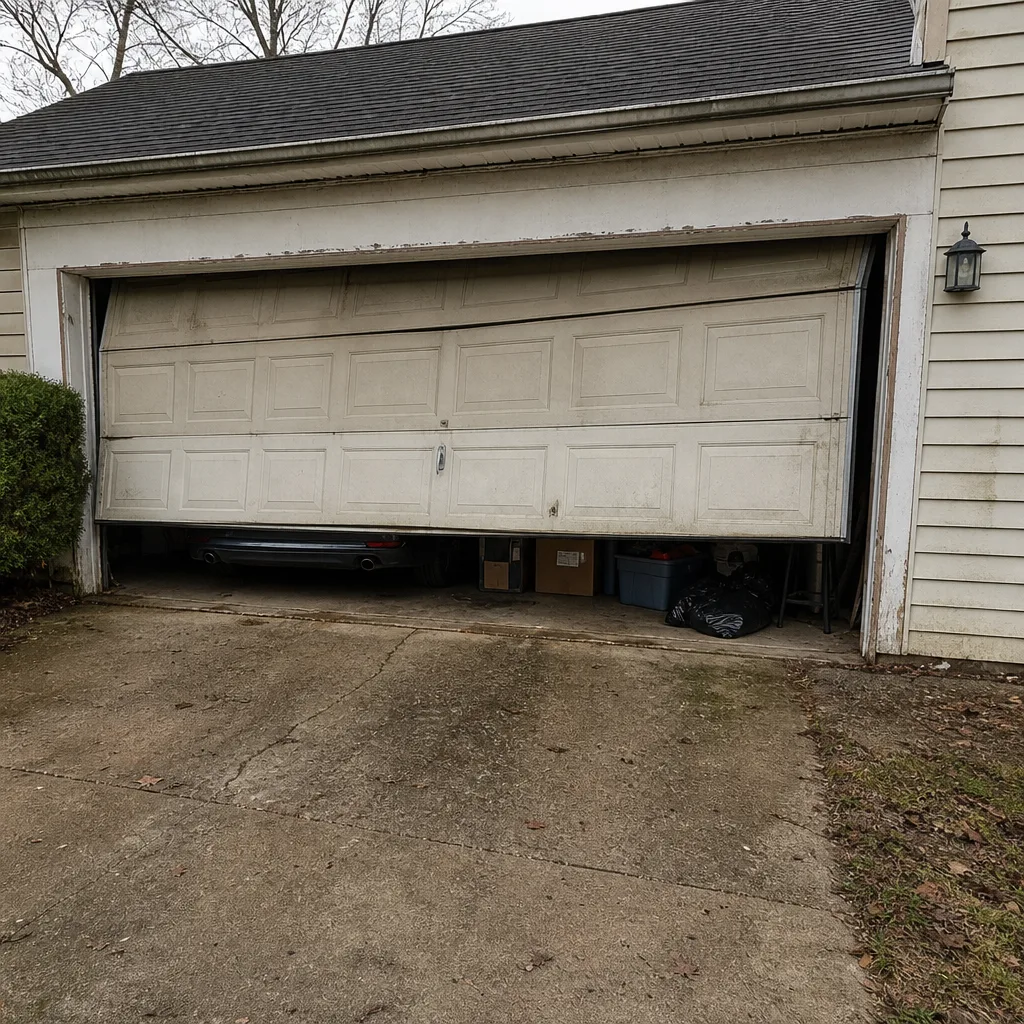 Before
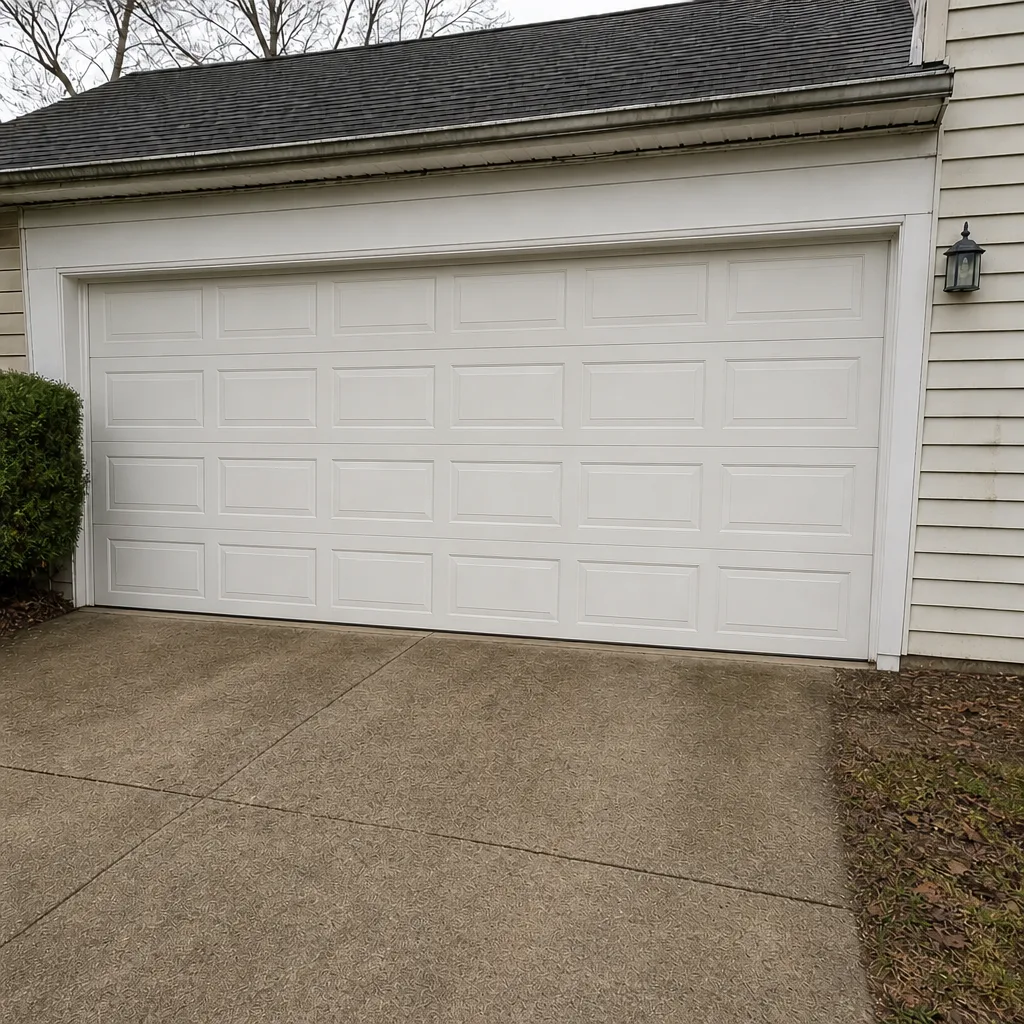 After
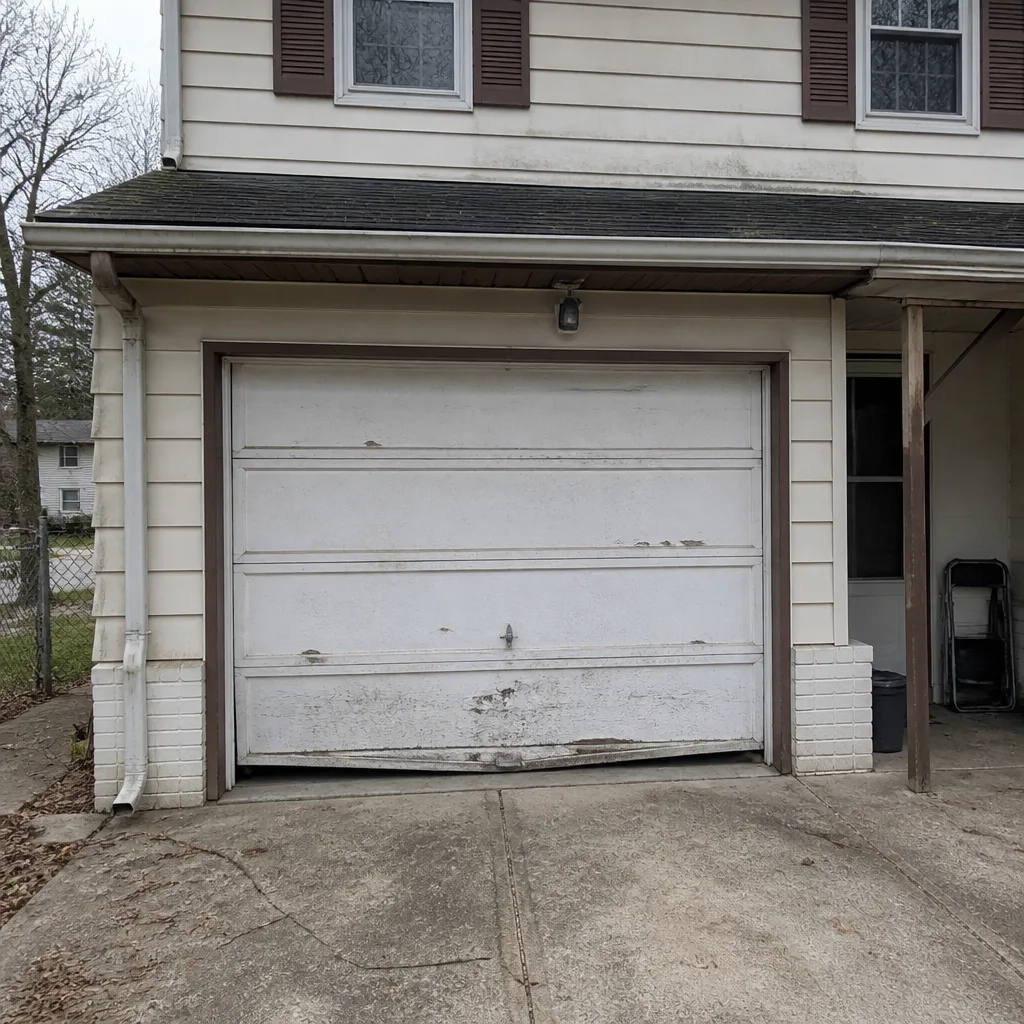 Before
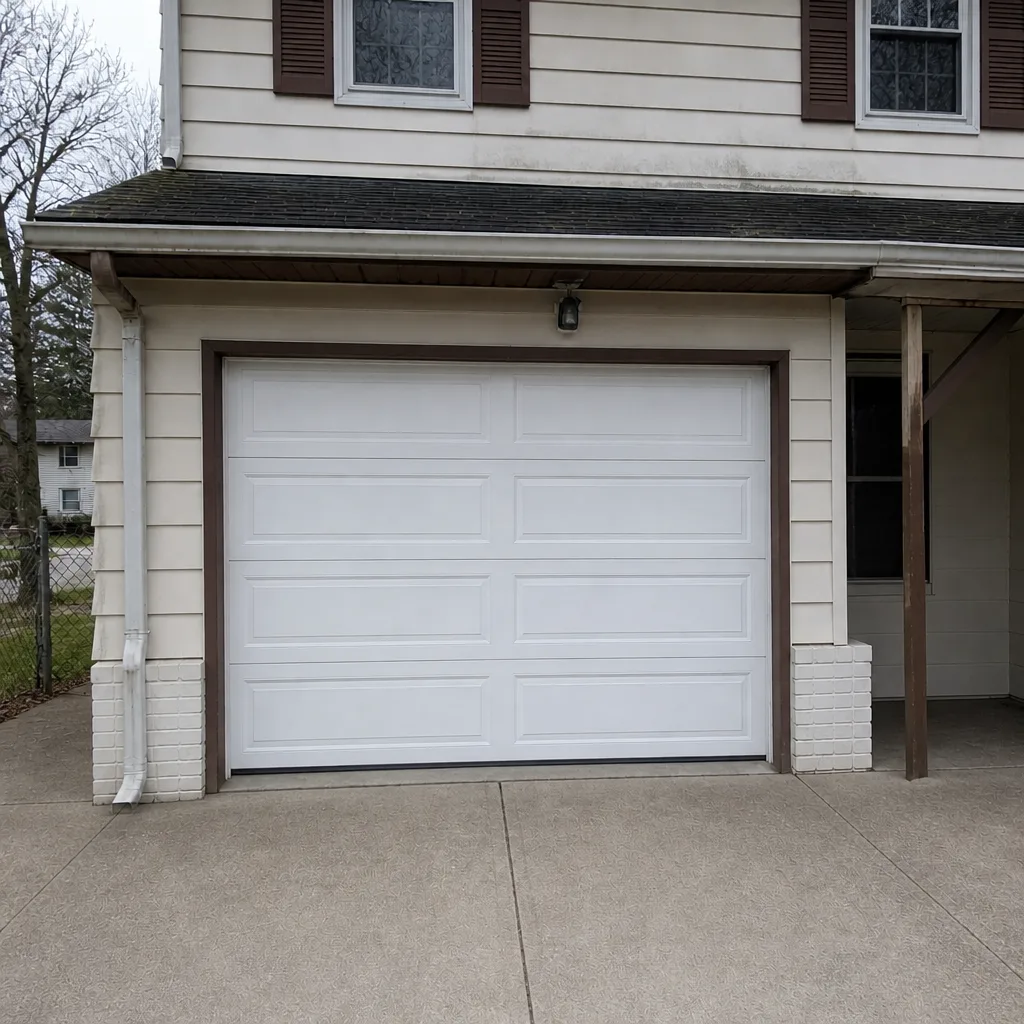 After
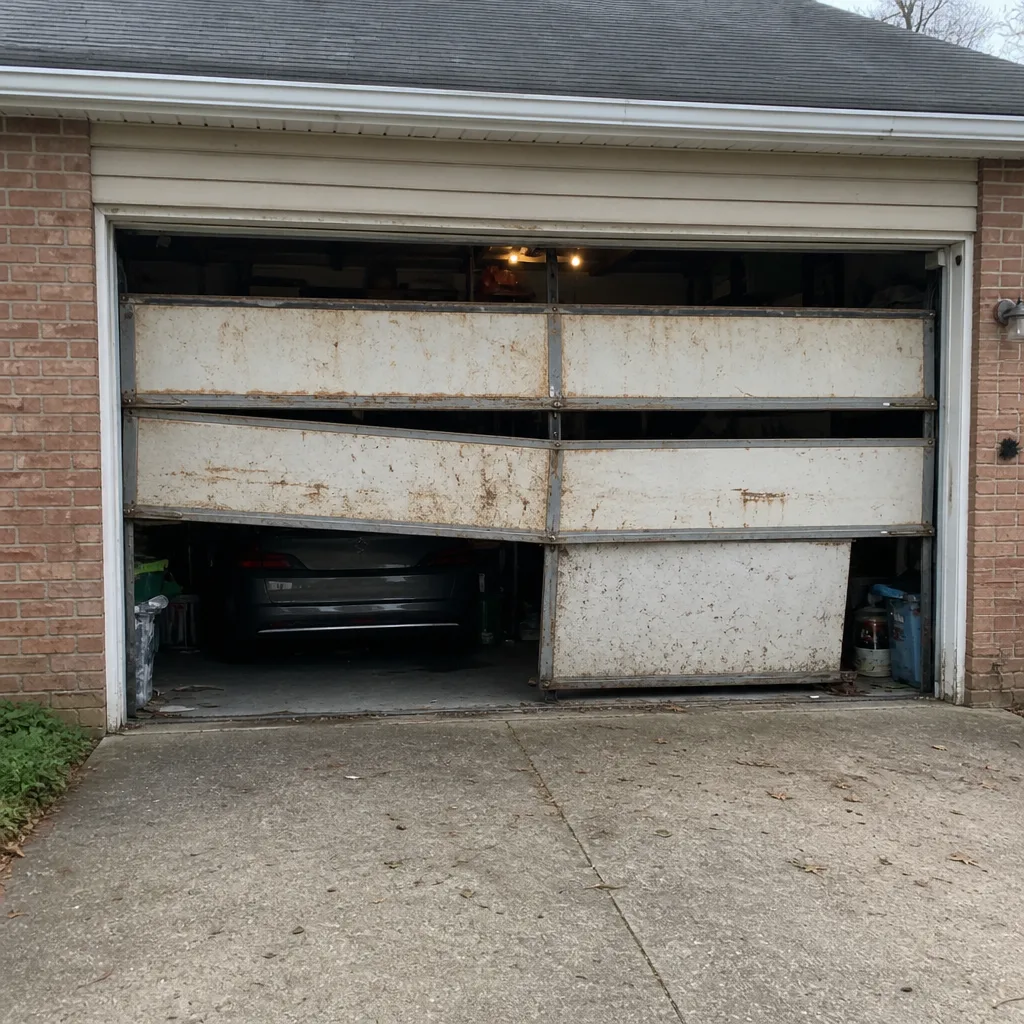 Before
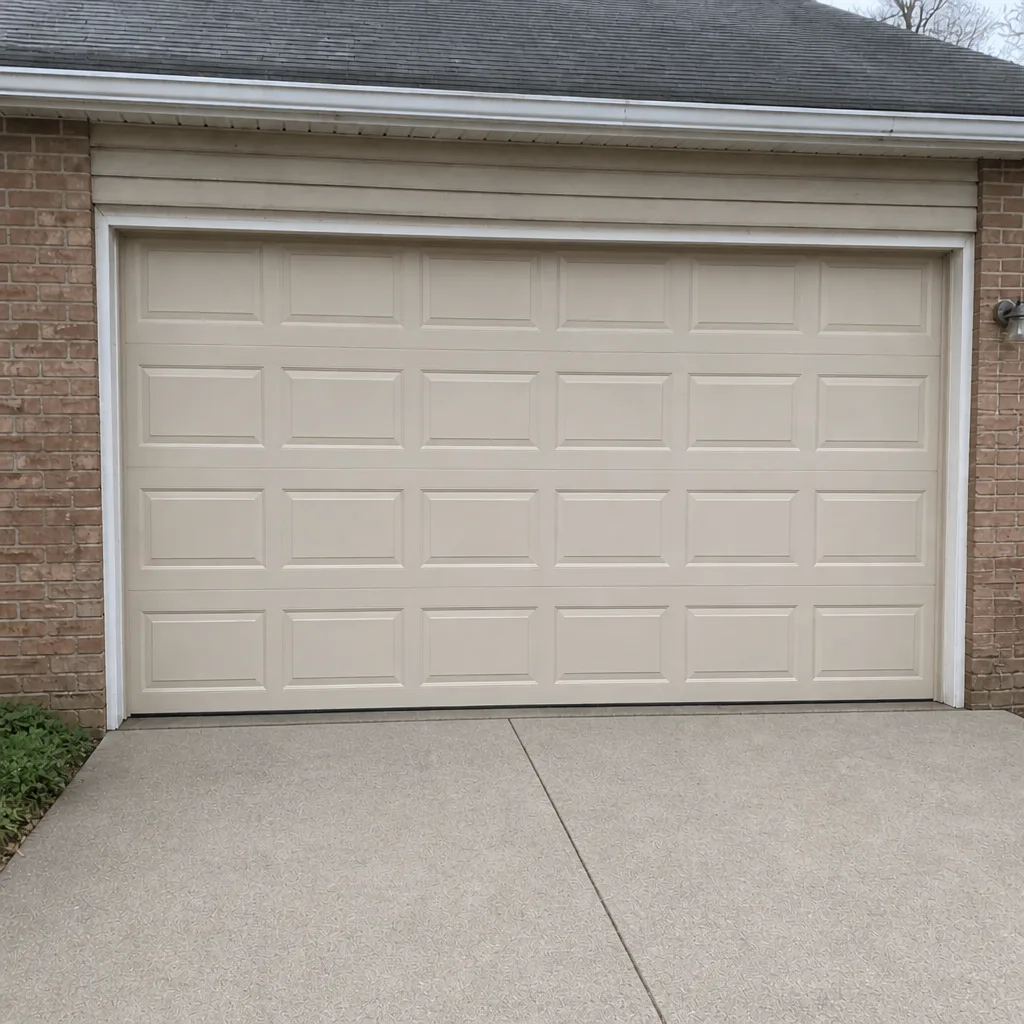 After