Last updated November 23, 2026
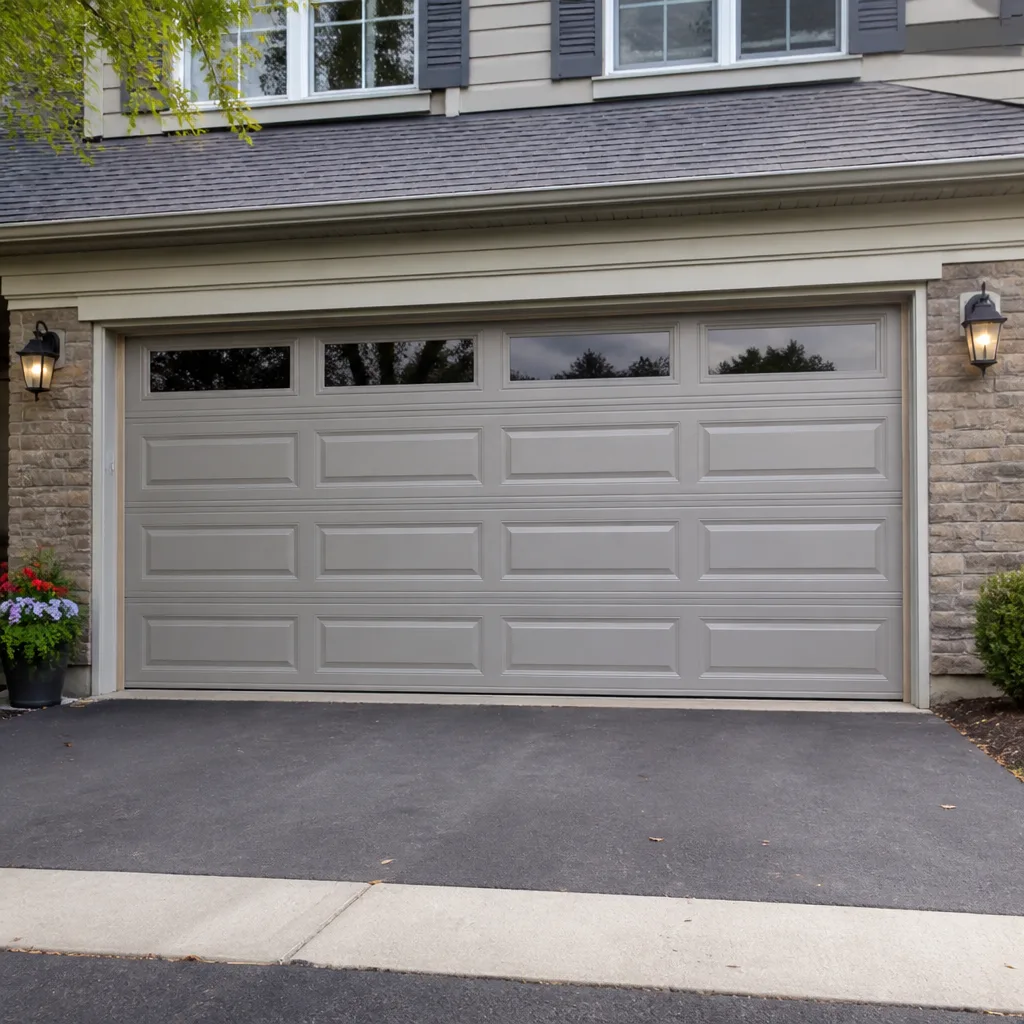 Raised-panel steel
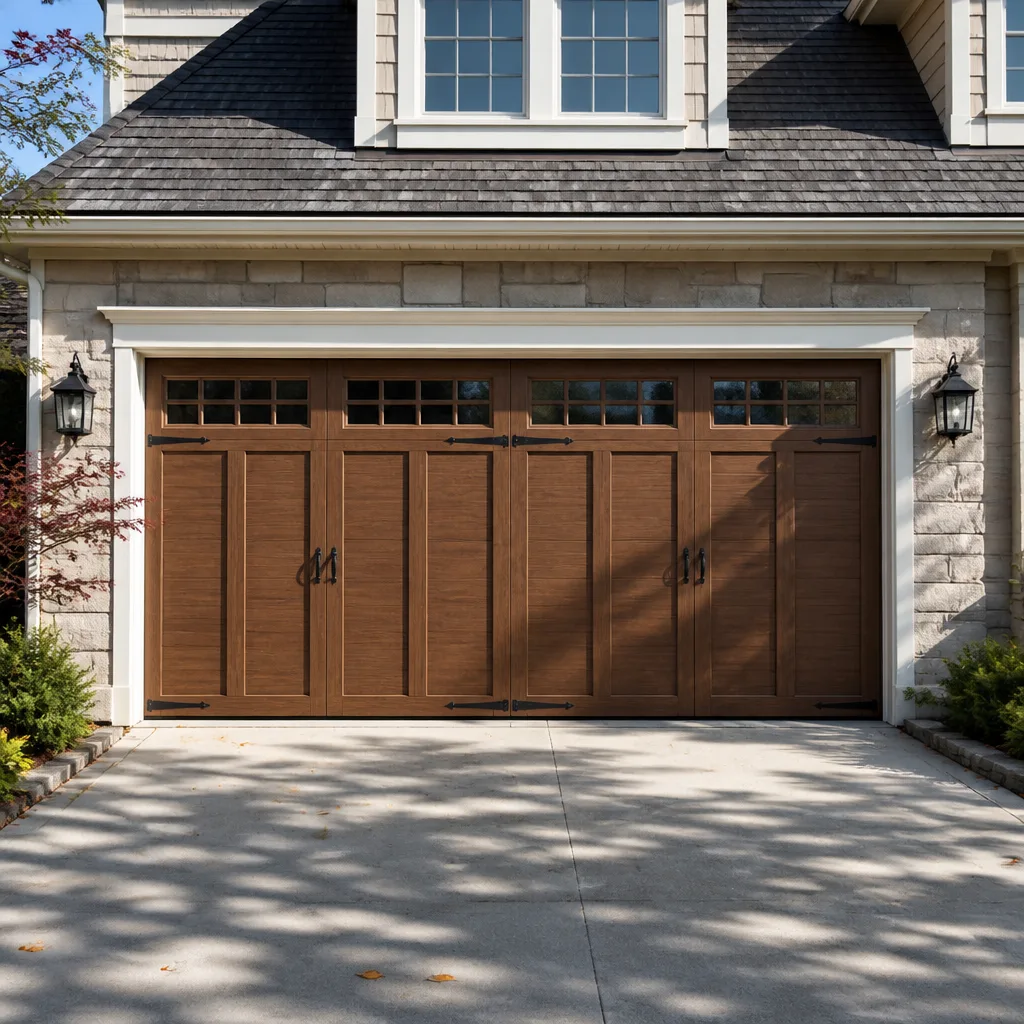 Carriage house
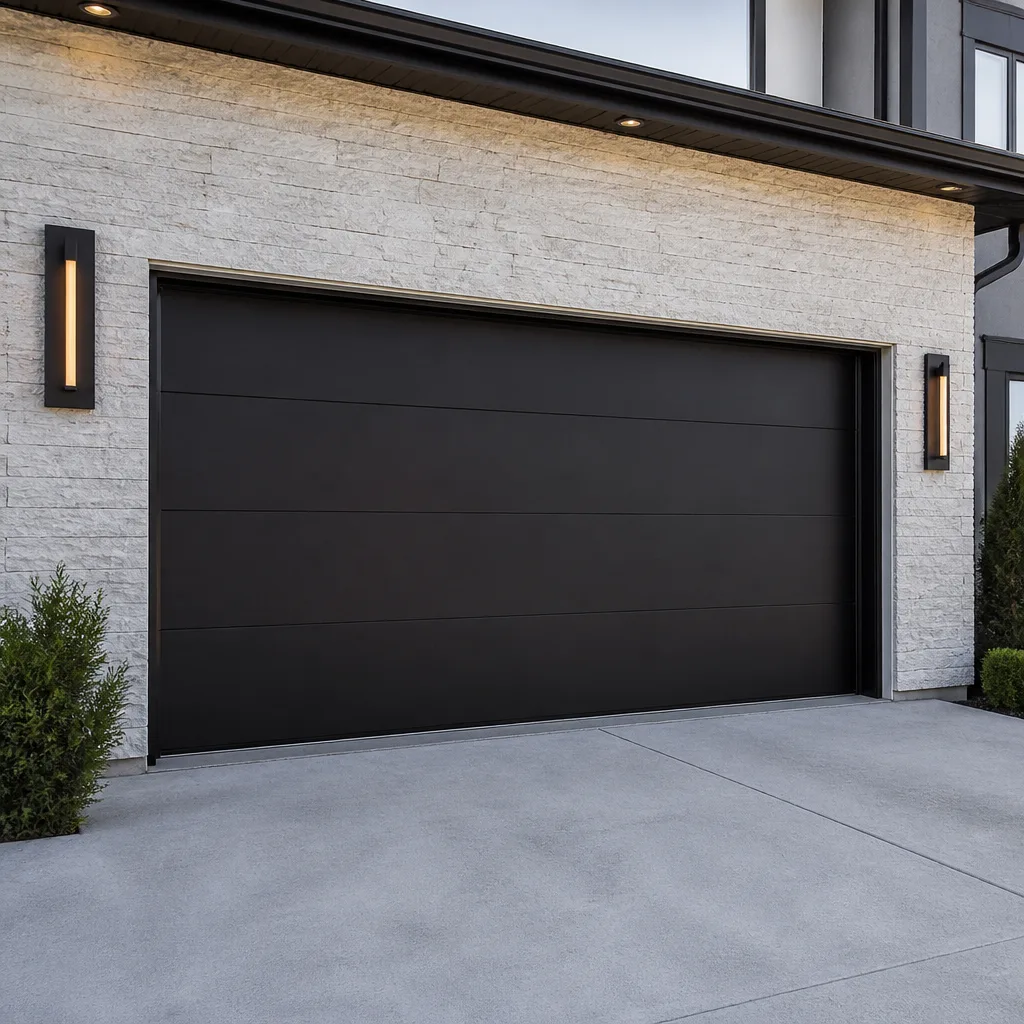 Modern flush
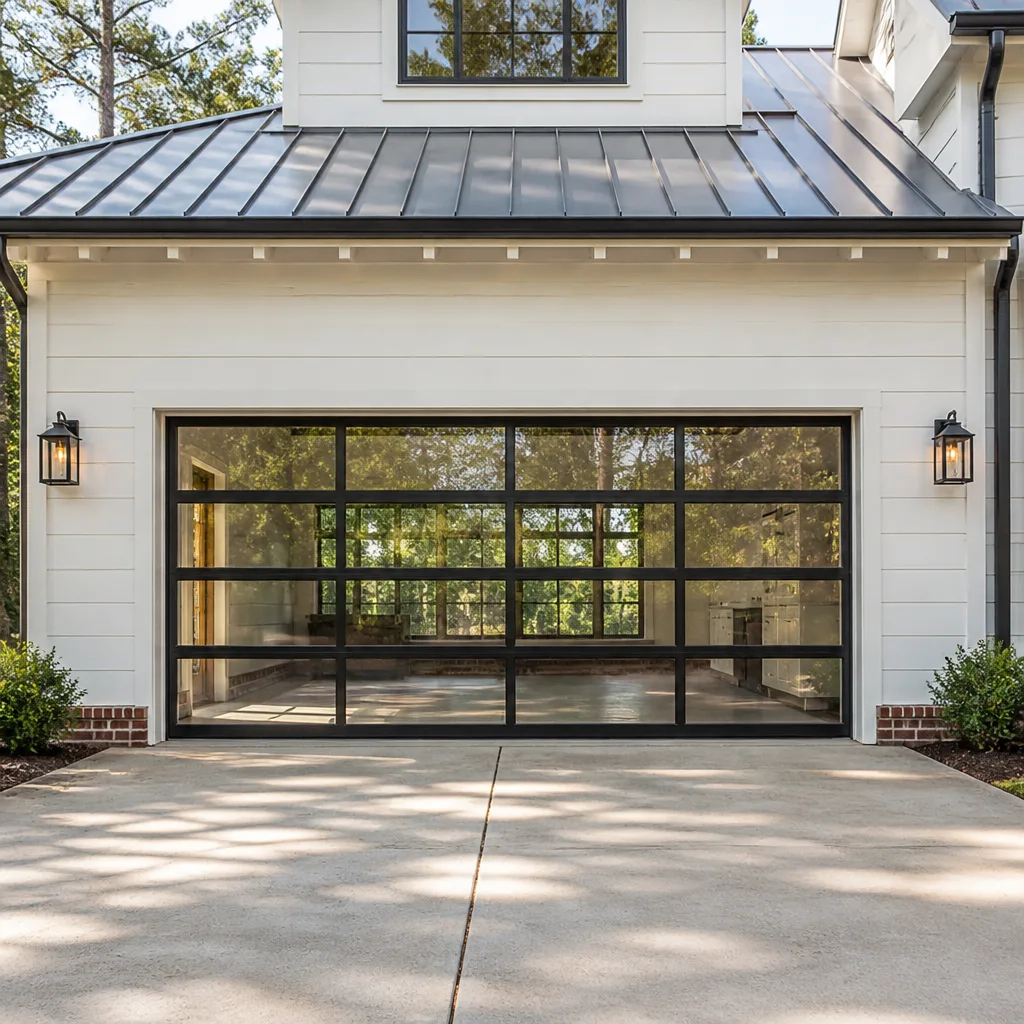 Full-view glass
 LiftMaster openers
 Chamberlain openers
Full 25-point door and opener safety check with every visit - springs, cables, rollers, tracks, and your LiftMaster or Chamberlain opener included
You get a price before we start. It does not change when the pro arrives.
Get your free estimateGarage Door Repair Maintenance Checklist for Waldorf Homeowners
Nine out of ten garage door service calls we handle could have been caught two months earlier with a five-minute visual inspection. That’s not a scare tactic, it’s just how these systems fail: quietly, at the fasteners and hinges nobody looks at, until a torsion spring finally lets go on the coldest morning of the year. Most homeowners don’t know what they’re actually looking for. They check the door goes up and down, hear a noise, and move on. In Waldorf, the specific things that wear out first are tied to the area’s older subdivisions, its humid summers, and the sharp cold snaps that roll through Prince George’s County in January. This guide walks you through what to inspect, what to lubricate, what to leave alone, and a month-by-month schedule built for Waldorf weather instead of a generic quarterly template.
Quick Answer
A garage door maintenance checklist for Waldorf should cover four seasonal jobs: inspect and tighten fasteners and hinges each fall, lubricate rollers and springs before summer humidity peaks, test the balance and auto-reverse every three months (takes under three minutes, no tools), and check weather seal integrity going into winter. Spring and cable repairs, opener electrical work, and anything involving the torsion system belong to a trained professional, not a homeowner with a ladder.
Styles & brands we work with
- Raised-panel steel
- Carriage house
- Modern flush
- Full-view glass
- LiftMaster openers
- Chamberlain openers
Table of Contents
- Why Waldorf Garage Doors Wear Differently
- The Five-Minute Visual Inspection
- Fasteners and Hinges: What Vibrates Loose First
- Lubrication Points That Matter (and Products That Ruin Parts)
- Testing Balance and Auto-Reverse in Under Three Minutes
- Weather Seal Failure and Your Heating Bill
- A Month-by-Month Maintenance Schedule for Waldorf
- What Never to Touch Yourself
Why Waldorf Garage Doors Wear Differently
Waldorf’s housing stock runs the gamut: slab-on-grade subdivisions, townhome rows, and detached homes on larger lots. That variety matters because the same door system behaves differently depending on what’s under and around it. The concrete-slab garage floors common across many Waldorf neighborhoods don’t absorb vibration the way a raised wood subfloor does. Every time the door cycles, the opener’s motor torque and the door’s travel transfer straight into the framing, and the fasteners holding the tracks and hinges take that load dozens of times a day.
Then there’s the climate. Waldorf summers are humid enough that condensation forms on cold metal surfaces in an unconditioned garage. That moisture settles into hinges and roller stems, and if those parts aren’t lubricated, they rust and seize. Winter brings the opposite problem: cold snaps that stiffen the lubricant already on the door and make the metal contract. A torsion spring that’s been gradually losing tension all fall is more likely to snap on the first genuinely cold morning.
Add the sheer volume of daily use in a household where the garage is the main entry point, and you get a system that cycles thousands of times a year. In our experience, the doors that fail earliest in Waldorf are the ones that never got looked at between installations. A door that gets a five-minute check twice a year will typically outlast one that doesn’t by a wide margin.
The Five-Minute Visual Inspection
This is the foundation of everything else. Once a month, with the door closed and the opener disconnected, walk the perimeter and look at five things. You’re not fixing anything here. You’re catching problems before they become repairs.
- Look at the springs. With the door closed, torsion springs are wound tight above the door or on a center shaft. Extension springs run alongside the tracks. Look for visible gaps, a stretched section, or rust. A gap in a torsion spring means it’s already broken. Don’t touch it.
- Check the cables. Look at the thin steel cables running down each side. They should be taut and free of fraying, kinks, or loose strands. A frayed cable is a failure waiting to happen.
- Scan the rollers and hinges. Rollers should sit in the track without wobbling. Hinges should be tight against the panel. Look for rust streaks or metal shavings, both signs of wear.
- Look at the tracks. Stand back and eyeball each vertical and horizontal track. They should be straight and parallel. Dents or bends mean the door is dragging somewhere.
- Check the bottom seal. With the door closed, the rubber or vinyl seal should sit flat against the floor with no daylight showing through. Gaps are the first sign of a failing seal.
Write down what you find. If anything looks broken or badly worn, that’s your signal to call a professional rather than poke at it. For anything that looks intact, move on to the seasonal tasks below. If a repair does turn out to be needed, our garage door repair team handles the diagnosis and the fix.
Fasteners and Hinges: What Vibrates Loose First
The vibration problem in Waldorf is real, and it shows up in a predictable order. On the slab floors common to many subdivisions, the first fasteners to work loose are almost always the lag bolts holding the vertical tracks to the jamb. Those bolts sit closest to the opener’s vibration path and carry the most load. Next are the hinge screws on the middle panels, then the bolts anchoring the horizontal tracks to the ceiling framing.
Once a season, take a socket wrench and a screwdriver and check torque on every fastener you can safely reach with the door closed. You’re looking for anything you can turn by hand. If a fastener spins freely, it’s already loose. Tighten it snug, don’t crank it down, because over-tightening can strip the wood or crack the bracket.
Watch for the specific pattern where the same hinge keeps loosening after you tighten it. That usually means the screw hole has worn wider than the screw, and the fix isn’t a bigger screw, it’s a longer one that reaches fresh material or a bolt-and-nut replacement. Strip a hinge hole and the panel starts to sag, which then drags on the track, and what started as a loose screw turns into a door that won’t close. In our experience, a five-minute fastener check once a season prevents more sagging-panel problems than any other single task on this list.
Hinge wear is the other half of this. Hinges have moving parts, and the pin inside each hinge needs the same lubrication as the rollers. A hinge that squeaks when the door moves is telling you it’s dry. If a hinge is bent or cracked, replace it rather than trying to straighten it.
Lubrication Points That Matter (and Products That Ruin Parts)
Lubrication is where most well-meaning homeowners do more harm than good. The wrong product, applied to the wrong part, can swell plastic rollers, attack nylon bushings, and leave a sticky residue that attracts grit. Here’s what actually matters and what to keep off the door.
The right products
Use a white lithium grease or a silicone-based garage door lubricant. Those two are the safe default for the moving metal and plastic parts on a residential door. A dedicated garage door spray is worth the small extra cost because it’s formulated for exactly these surfaces.
What to lubricate
- Roller stems and bearings: two short sprays per roller, where the stem meets the bracket. Not the roller surface itself, which rolls, not slides.
- Hinge pivot points: one spray per hinge, on the pin.
- Torsion spring coils: a light coat along the coils to keep rust down. Do this with the door closed and the springs under tension, and don’t try to turn or adjust anything.
- Lock mechanisms and the opener’s rail chain: a light application on the chain, wiped clean afterward so it doesn’t fling grease.
What not to use
Skip WD-40 as a long-term lubricant. It’s a solvent and water displacer, not a lasting grease, and it evaporates within weeks. Skip heavy motor oil, which attracts dust and turns into a grinding paste. And never use a penetrating oil on nylon or plastic parts, because those products can soften and swell the material. The rollers on newer doors are often nylon, so get the product right before you spray.
When to lubricate in Waldorf
Twice a year, timed to the seasons. One application in late spring, before the humid stretch that drives condensation on cold metal, and one in late fall, before the cold snaps. That schedule keeps the moving parts protected through both of Waldorf’s tough seasons. If you hear a squeak between maintenance sessions, spot-treat the specific hinge or roller rather than re-lubricating the whole door.
Testing Balance and Auto-Reverse in Under Three Minutes
These two tests are the most important safety checks on the whole list, and they require no tools at all. Do them every three months, and any time the door starts behaving differently.
Balance test
- With the door closed, pull the emergency release cord to disconnect the opener. That’s the red handle hanging from the rail.
- Lift the door by hand about halfway up, to roughly waist height, and let go.
- Watch what it does. A properly balanced door stays put, or drifts down slowly and evenly. A door that slams down or wants to fall indicates the springs have lost tension or are undersized for the door’s weight.
- Reconnect the opener by pushing the release carriage back toward the opener until it snaps in.
If the door drops fast or feels unusually heavy, stop using the opener and call a professional. That’s a spring tension problem, and spring work is not a DIY job.
Auto-reverse test
- Close the door and open it fully with the opener.
- Lay a 2×4 flat on the floor in the door’s path, or hold a cardboard tube up as a substitute if you don’t have a scrap of wood handy.
- Close the door with the opener. When it meets the object, it should reverse direction and go back up.
Now test the photo-eye sensors, the small lenses bolted to each side of the door near the floor. With the door open, wave your foot slowly through the beam. The door should not close, or should reverse immediately if already moving. If either test fails, the opener needs adjustment by someone who knows the system. Diagnosing an opener that’s out of adjustment is exactly the kind of thing our garage door opener repair technicians do every week on Waldorf doors, whether the opener is a LiftMaster, a Genie, or a legacy unit from another brand.
Weather Seal Failure and Your Heating Bill
The bottom seal is the easiest part of the door to overlook, and it’s the one with the most surprising cost. A cracked or flattened bottom seal doesn’t just let water in. It lets unconditioned air exchange with your garage, and an attached garage shares a wall, a ceiling, and usually a return duct with the rest of the house. A failing seal on an interior door is a trickle of cold air all winter.
There are three seals on most residential doors, and all three need checking:
- The bottom seal: the rubber or vinyl strip along the bottom panel. It should sit flat with no daylight. Check for cracks, tears, flattening, or gaps at the corners.
- The side seals: the brush or vinyl strips along each jamb. They keep wind-driven rain out and keep heated air in. Look for gaps, tearing, or pieces peeling away.
- The top seal or header seal: the strip across the top of the opening. Easy to miss, but a gap here lets cold air pour in through the top.
In Waldorf’s humid summers, a failing side or bottom seal lets in moisture that rusts the door’s lower panel and the door’s bottom rollers. Going into winter, a failing top seal is a steady drain. Replacing a failing bottom seal is one of the cheapest and most effective tasks on this whole list. Seals come in several profiles, so measure the door and match the profile before you buy.
A Month-by-Month Maintenance Schedule for Waldorf
A generic quarterly template assumes the seasons behave the same everywhere. They don’t, and Waldorf’s specific weather rhythms mean some tasks should land at particular times of year. Here’s how we’d schedule it for a home in Waldorf, timed to the local climate rather than a calendar quarter.
| Time of Year | Tasks |
|---|---|
| March | Full five-minute visual inspection. Wash door panels to remove winter grit. Check bottom seal for winter damage. |
| April | Tighten all reachable fasteners after winter contraction. Balance test and auto-reverse test. Inspect cables for fraying. |
| May | Late-spring lubrication: rollers, hinges, spring coils, opener rail chain. This is the key application going into humid summer. |
| June through August | Monthly five-minute visual check. Watch for rust on hinges and roller stems from summer condensation. Spot-treat any squeaks. |
| September | Balance and auto-reverse test. Check side and top seals before fall weather arrives. Tighten any fasteners that loosened in the heat. |
| October | Fall lubrication: rollers, hinges, spring coils. A protected spring is a spring that won’t snap on the first cold morning. |
| November | Full fastener check before winter. Inspect weather seals on all three sides. Test that the door closes fully and seals against the floor. |
| December through February | Monthly visual check. Watch for stiff operation or slow movement, both signs of cold-stiffened lubricant. Call for spring or cable issues rather than using the door. |
Print this out and stick it inside the garage door. The schedule is short by design. The tasks you can do safely take minutes, and the ones you can’t are for a trained professional.
What Never to Touch Yourself
Torsion and extension springs store an enormous amount of energy. That energy is what lifts the door, and it’s what makes spring repair the single most dangerous part of this trade. Cables carry similar loads. Homeowners are seriously injured every year by attempting spring or cable work. We’re not being dramatic when we say a trained technician with the right winding bars is the only safe way to handle a spring that has lost tension or snapped outright.
Here’s what stays on the professional side of the line:
- Any torsion or extension spring work. Adjusting tension, replacing a broken spring, or touching the winding bars.
- Cable work. Cables under tension can snap with enough force to cause serious injury.
- Track realignment beyond a loose bolt. If a track is bent or the door is off its track, that’s a professional call.
- Opener electrical work. Wiring a new opener into a home’s circuit or replacing a capacitor inside the unit.
- Panel replacement. The panels interlock in ways that aren’t obvious from the outside, and replacing one wrong can throw the whole door out of balance.
Understanding how the spring system works is valuable. Attempting to work on it is not. When a door needs spring work, our garage door spring repair team handles it with trained technicians and the right tools. If a spring has snapped and the door is stuck or the home isn’t secure, that’s an emergency and the door should not be forced.
Common Mistakes to Avoid
- Lubricating with the wrong product. WD-40 and heavy oils seem convenient, but they evaporate or attract grit, and penetrating oils can damage nylon rollers. Use a proper garage door lubricant on the moving parts, and nothing on the tracks themselves.
- Skipping the balance test because the opener still works. An opener can lift an out-of-balance door and mask the problem until the spring snaps. If the door feels heavy when you disconnect it, stop using the opener and get it looked at.
- Forcing a door that has a broken spring. Lifting a door with a snapped torsion spring by hand puts the full weight of the door on the remaining spring and the cables, which is dangerous. Leave it.
- Tightening a stripped hinge hole with a bigger screw. That splits the wood and makes the sag worse. Replace the hinge or upgrade to a longer screw that bites fresh material.
- Ignoring the top and side seals because the bottom seal looks fine. All three seals affect your heating and cooling bills, and side seals fail quietly at the corners where nobody looks.
- Lubricating the tracks. The door’s rollers are designed to roll along dry steel. Grease on the tracks turns into a grinding paste as dust sticks to it, so keep them clean and dry instead.
- Running the monthly visual check only when something squeaks. The failures that cost the most announce themselves earlier than the noise does. A five-minute monthly look catches them while they’re still cheap to fix.
See the difference
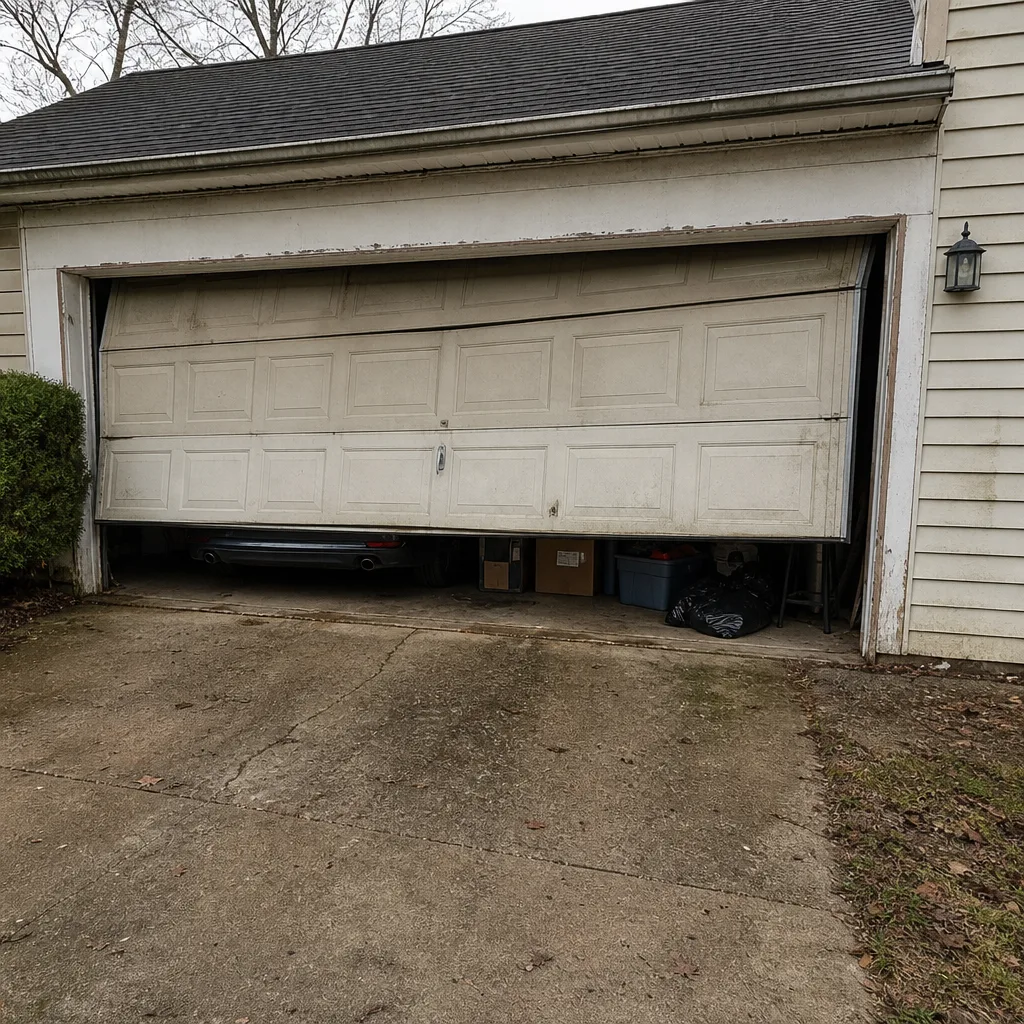 Before
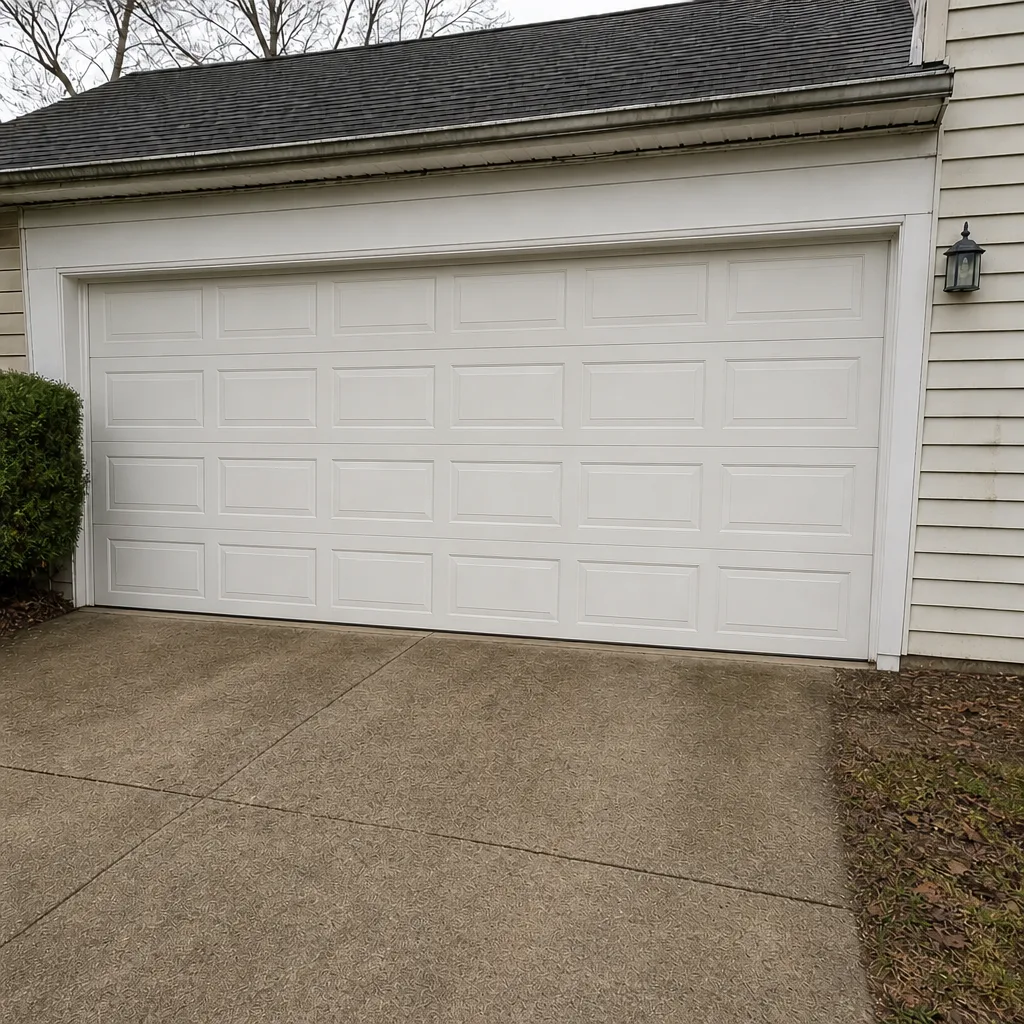 After
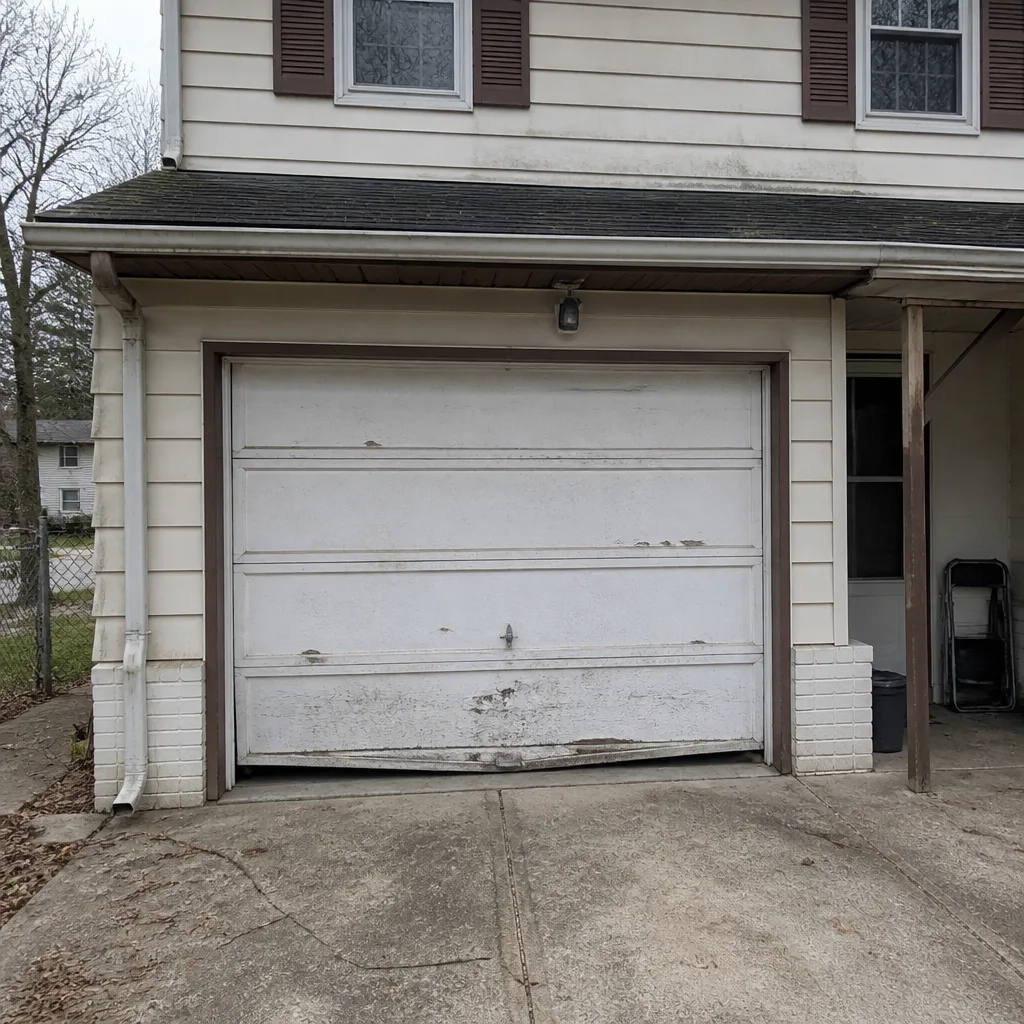 Before
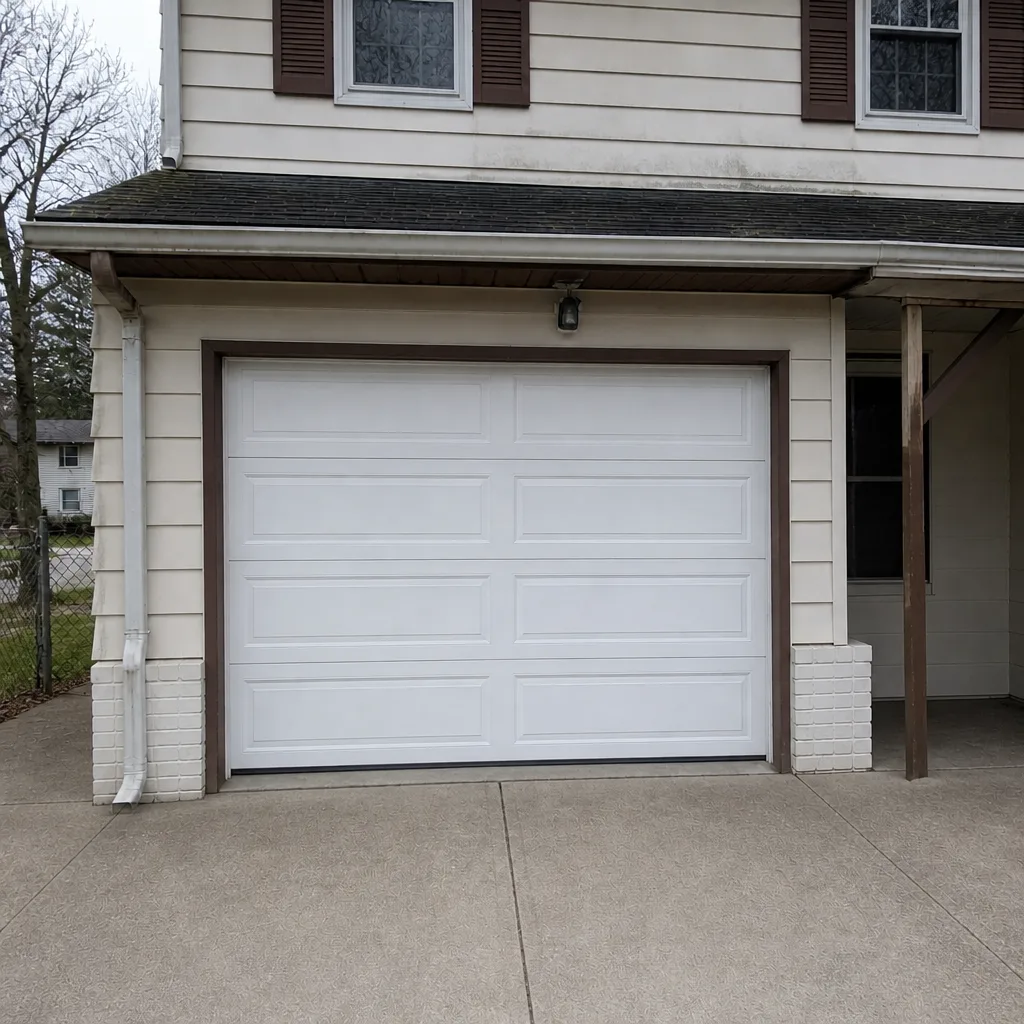 After
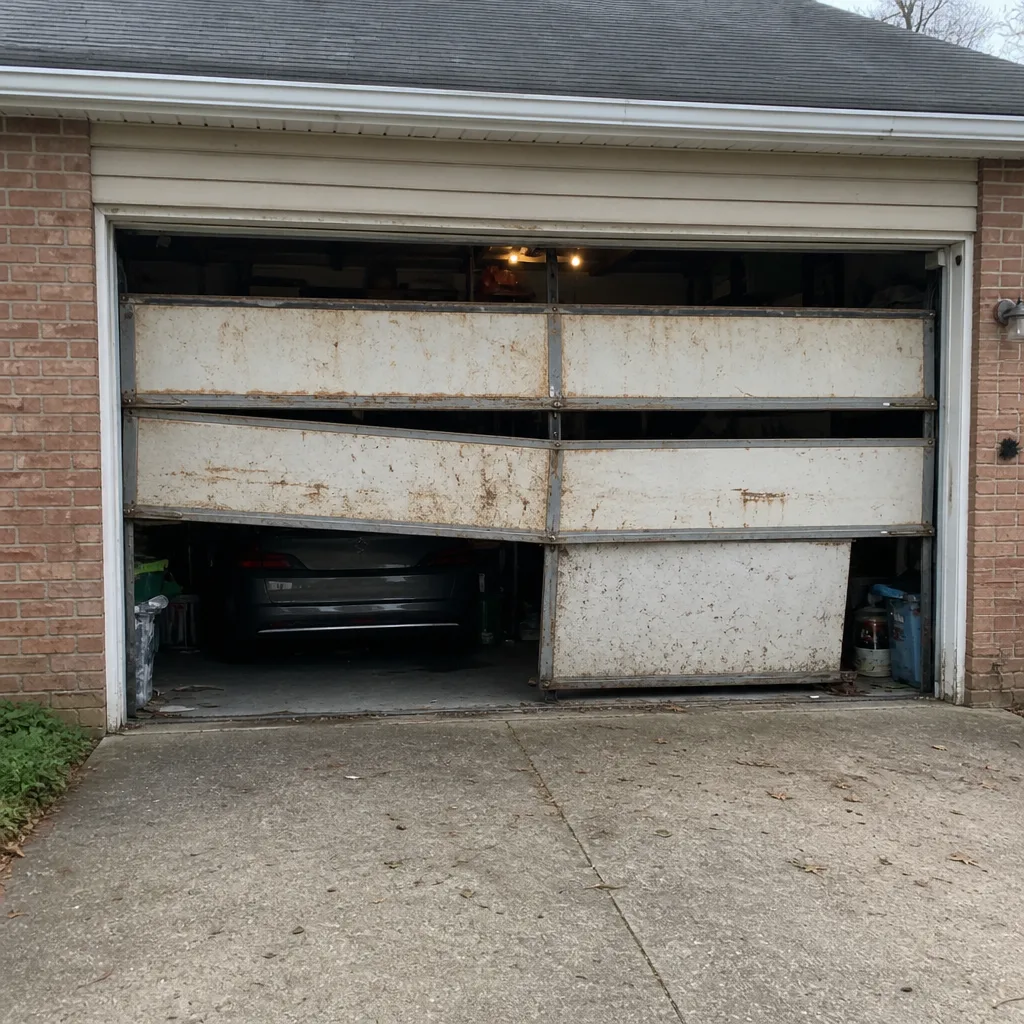 Before
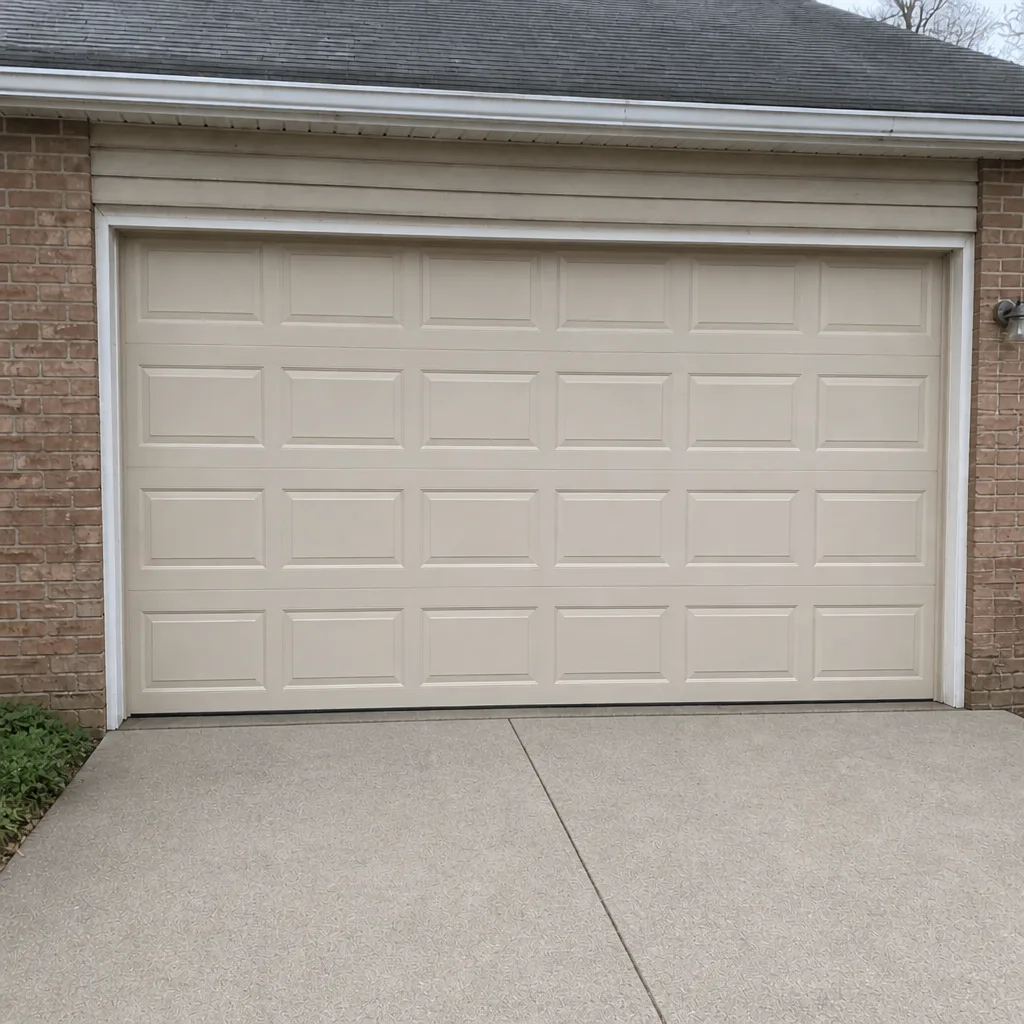 After
When to Call a Professional
Some things need a trained technician, not a checklist. Call when a spring has snapped or visibly lost tension, when a door is off its track or the panel has bent, when cables look frayed or are hanging loose, when the auto-reverse test fails and the opener won’t adjust, or when the door won’t stay balanced after a normal cycle. Any of those situations means the door is unsafe to operate and shouldn’t be forced. The same applies when the door won’t close fully or the home is unsecured because the door is stuck open. Waldorf Garage Door Repair Co offers free estimates in Waldorf, and our technicians work on the door and opener already in your garage, whether that’s a LiftMaster, a Chamberlain, a Raynor, or another brand. Call (855) 658-4231 to book a visit, and we’ll diagnose the issue, quote the work, and confirm the price with you before we start.
Frequently Asked Questions
Aim for a full inspection twice a year, with a five-minute visual check once a month and a lubrication session each spring and fall. Balance and auto-reverse tests take under three minutes and should be done every three months. That schedule is enough to catch most problems while they’re still cheap to fix.
Yes, for the rollers, hinges, and spring coils, using a white lithium or silicone-based garage door lubricant. Keep heavy oils and penetrating oils away from nylon rollers and plastic parts. Leave the tracks alone, they run dry. For anything involving tension, cables, or the torsion system, call a professional.
A typical tune-up that covers lubrication, fastener tightening, balance and safety testing, and weather seal inspection is quoted per job, so the best way to get an exact number is a free estimate. Call (855) 658-4231 and we’ll give you a written quote before any work starts.
With the door closed, a torsion spring will show a visible gap in the coil, and the door will feel extremely heavy when you disconnect the opener. On an extension spring setup, the spring will be visibly stretched or hanging loose. If either is true, don’t use the door, and don’t try to fix the spring yourself.
Summer humidity in Waldorf causes condensation on cold metal, which rusts hinges and roller stems if they’re not lubricated. The rust creates the squeak. A late-spring lubrication session on the rollers, hinges, and spring coils prevents most of it.
Yes. Our technicians work on the door and opener already in your garage, including LiftMaster, Chamberlain, Genie, Clopay, Amarr, Wayne Dalton, Craftsman, and Raynor. That covers most of what we see in Waldorf homes. Call (855) 658-4231 if you’re not sure what you have and we’ll figure it out on site.
The Bottom Line
The maintenance that keeps a garage door working in Waldorf is short and specific. A five-minute visual check once a month, a fastener tightening and lubrication session in spring and fall, balance and auto-reverse tests every three months, and weather seal checks before winter. The tasks you can do safely take minutes. The ones you can’t, namely springs, cables, tracks, and opener electrical work, are for trained technicians, and getting them right the first time is what keeps a garage door operating for years. If something on this checklist turns up a problem you’re not sure about, a free estimate is the fastest way to a straight answer. Waldorf Garage Door Repair Co handles repair, opener work, spring work, and full installation, and the same team that diagnoses the door can handle the fix. Call (855) 658-4231 to book a visit. Our technicians have up to 10 years of experience.
Written by the team at Waldorf Garage Door Repair Co.