Last updated November 23, 2026
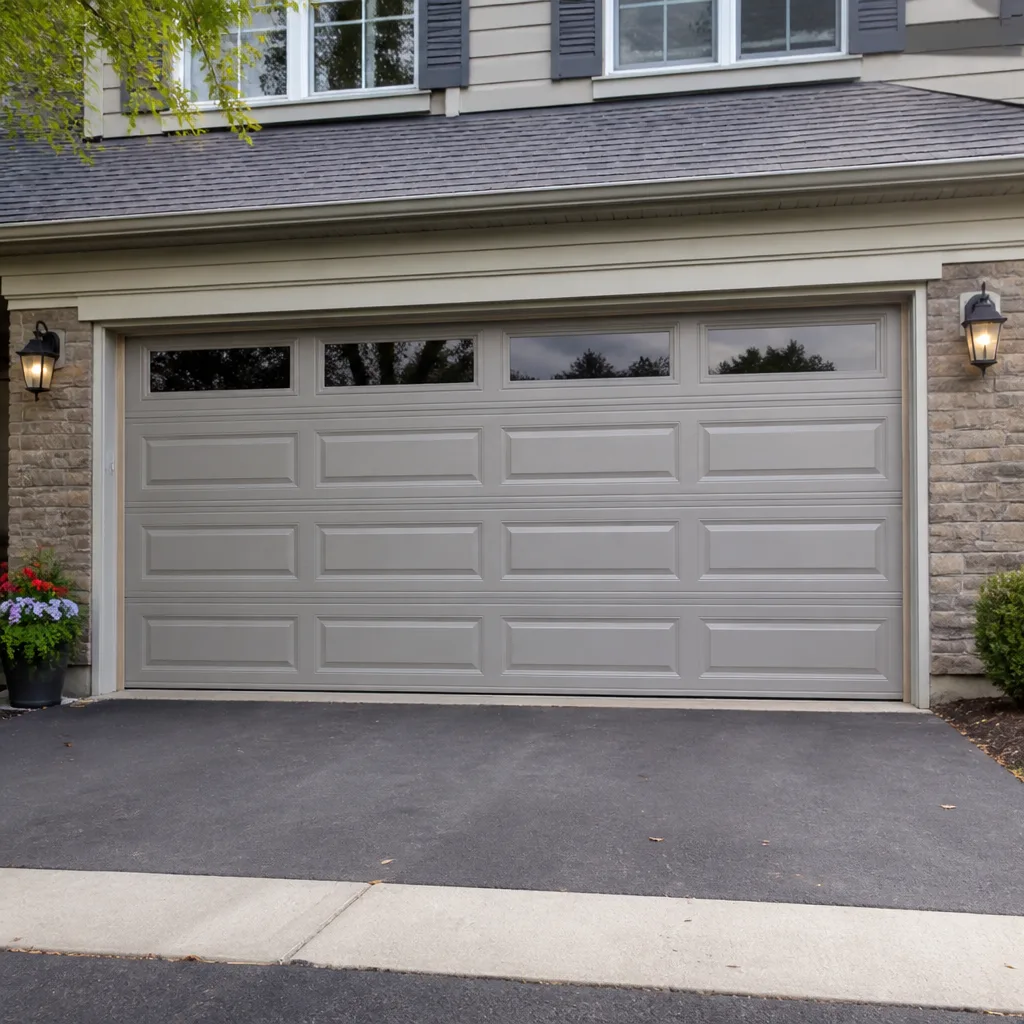 Raised-panel steel
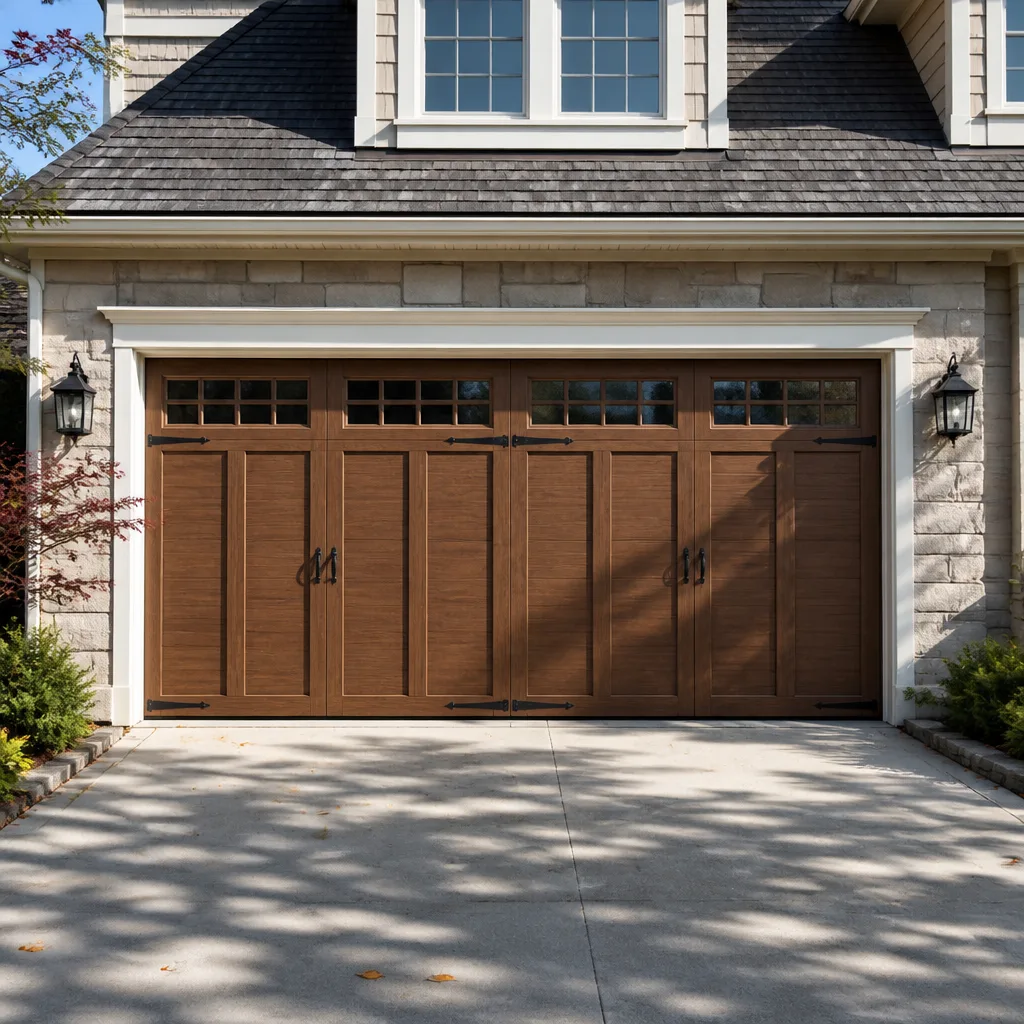 Carriage house
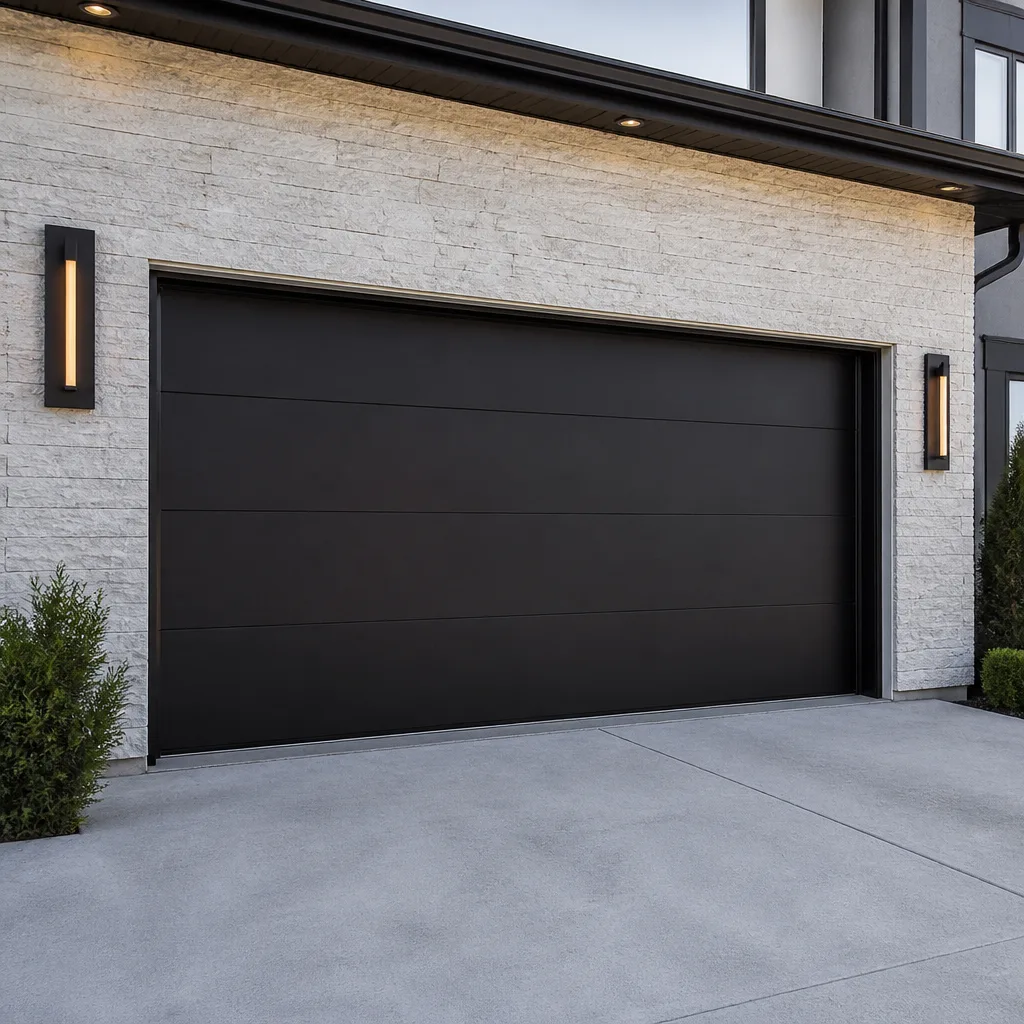 Modern flush
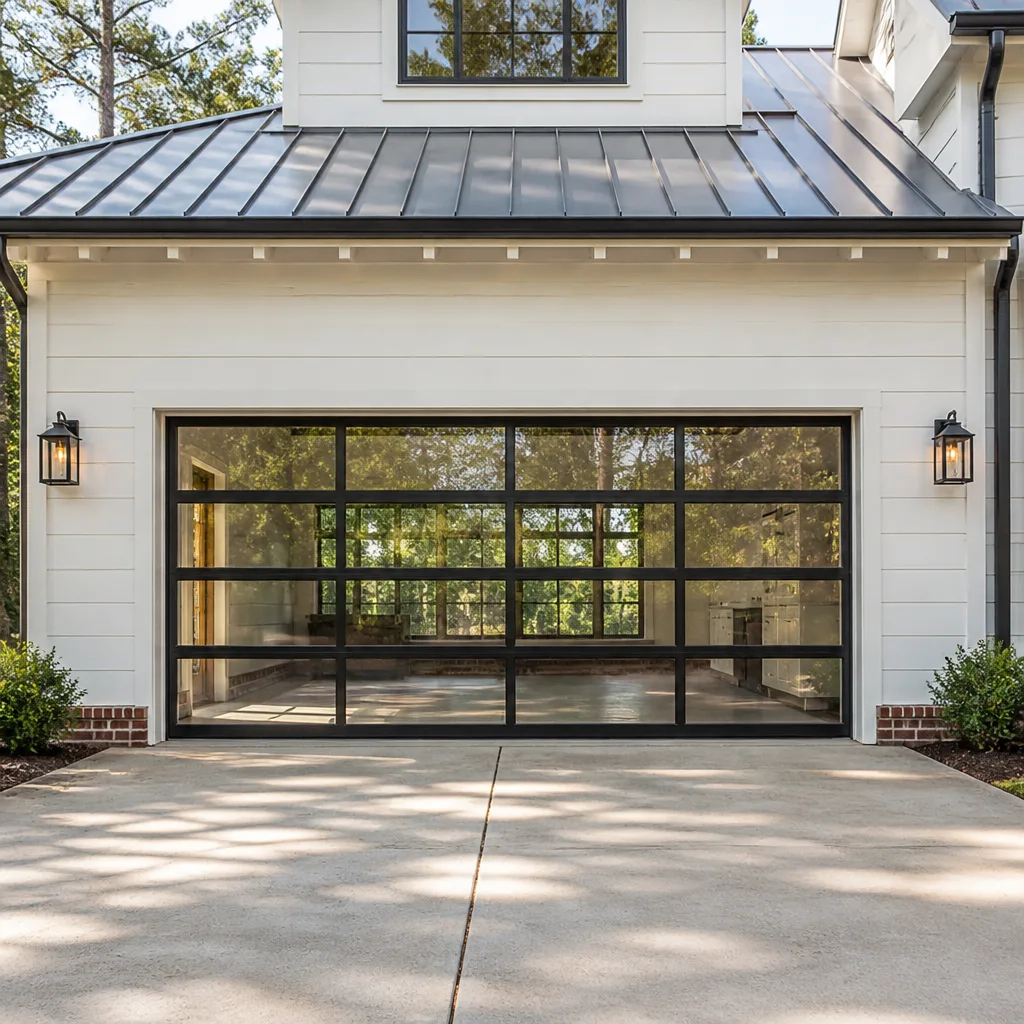 Full-view glass
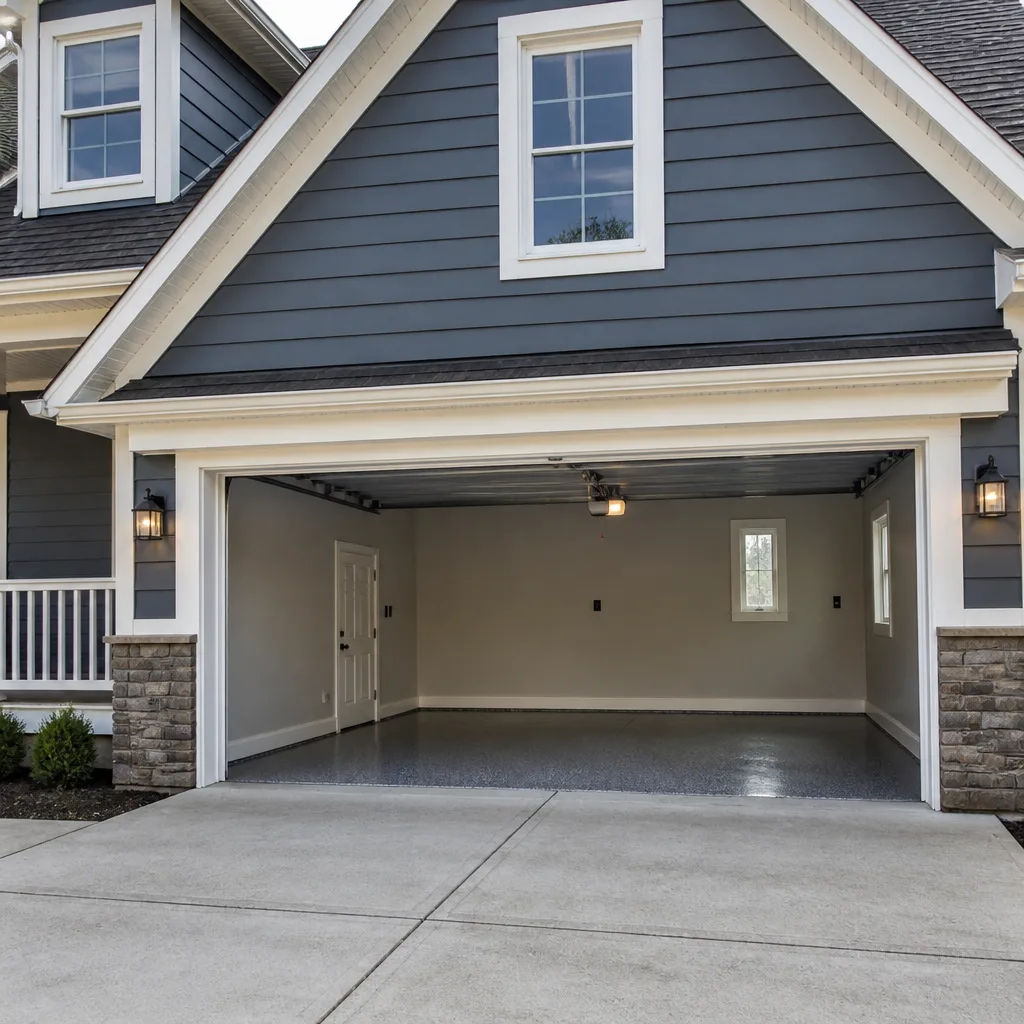 LiftMaster openers
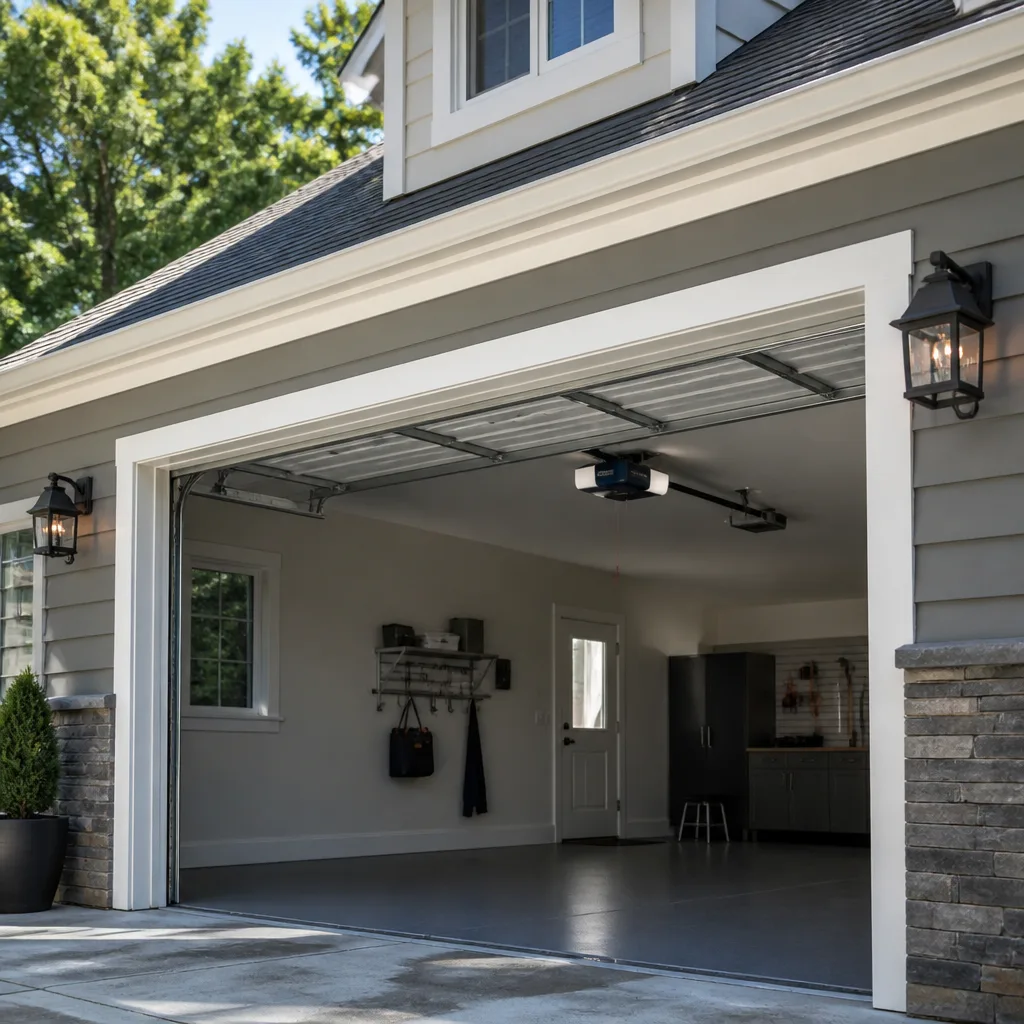 Chamberlain openers
Full 25-point door and opener safety check with every visit - springs, cables, rollers, tracks, and your LiftMaster or Chamberlain opener included
You get a price before we start. It does not change when the pro arrives.
Get your free estimateSeasonal Garage Door Care for Waldorf: Year-Round Homeowner’s Guide
Most homeowners think a garage door fails suddenly. It doesn’t. In our experience across Waldorf, the calls we get every October and every March tell a different story: the failure was set in motion months earlier, during the season when nobody was paying attention. Waldorf sits in a climate band that is genuinely hard on garage doors – summer humidity that swells wood and rusts hardware, winter cold that stiffens grease and contracts metal, and shoulder seasons where wide temperature swings expose everything the previous season quietly wore down. This guide walks you through what each season actually does to your door and what to do about it before it becomes a service call.
Quick Answer
Seasonal garage door care in Waldorf means checking and adjusting your door at four points in the year: lubricating moving parts in spring after winter contraction, tightening hardware in summer when humidity swells wood and loosens fasteners, preparing seals and springs in fall before the first hard freeze, and reducing strain on springs in winter when cold makes metal brittle. Most of the work is visual inspection and lubrication you can do yourself – the actual adjustment of springs, cables, and tracks is a job for a trained technician.
Styles & brands we work with
- Raised-panel steel
- Carriage house
- Modern flush
- Full-view glass
- LiftMaster openers
- Chamberlain openers
Table of Contents
- Why Waldorf Garage Doors Fail in October and March
- Summer: How Waldorf’s Humidity Wears on Doors
- Fall: Pre-Winter Prep That Prevents January Calls
- Winter: Why Springs Break in the Cold
- Spring: Re-Lubricating and Re-Balancing After Winter
- Year-Round: How Your Attached Garage Stresses the Opener
- Why Your Door Brand Changes the Care Routine
- The Complete Seasonal Checklist
Why Waldorf Garage Doors Fail in October and March
The pattern is almost predictable. Every fall, as the overnight temperatures in Waldorf start dropping into the forties and fifties, we get a wave of calls about doors that suddenly won’t close all the way, doors that reverse on their own, doors that grind. Then every March, as things warm back up, another wave: doors that won’t open smoothly, doors whose springs sound different, openers that strain. In both cases, the underlying problem usually started months earlier.
Here’s the mechanism. Garage door hardware is a system under constant tension – the springs hold the door’s weight, the cables transfer that tension, the tracks guide the door’s travel, and the opener does the lifting. When temperatures shift, every material in that system expands or contracts at a different rate. Steel springs change tension. Wood panels swell or shrink. Rubber seals harden or soften. Grease thickens or thins. None of these changes is dramatic on its own, but they compound. A door that was working fine in July arrives at October with slightly worn rollers, slightly stiff lubricant, and a slightly misaligned track – and the first cold snap pushes it past its tolerance.
The reason October and March are peak months for garage door service in Waldorf is that those are the transition months, when temperature swings are widest and most frequent. A single day in October might go from 45 degrees at dawn to 72 by afternoon. That kind of swing is actually harder on a door than steady cold, because the metal and the seal and the lubricant are all reacting to changing conditions at once.
The good news is that most of October’s and March’s service calls are preventable with a bit of attention in the month before. That’s what the rest of this guide is about – what each season does, and what you can do about it.
Summer: How Waldorf’s Humidity Wears on Doors
Summer in Waldorf regularly brings humidity readings above 90 percent, and that has real consequences for a garage door. The number one issue we see from summer humidity is wood panel doors – especially older doors from brands like Clopay and Wayne Dalton – swelling at the joints. When wood absorbs moisture, the panel edges expand slightly, and the door can start to bind against the frame or rub against the weatherstripping.
What to watch for in summer:
- Sticking or binding: if the door rubs against the frame when you open it, the wood may have swollen. A quick visual check of the gaps between the door edge and the frame tells you a lot.
- Bottom seal deterioration: the rubber seal at the bottom of the door is the first line of defense against moisture, pests, and drafts. Heat and humidity dry it out, crack it, and eventually tear it. Run your hand along it – if it feels brittle or shows cracks, it needs replacing.
- Rust on hardware: hinges, rollers, and track fasteners can develop surface rust in humid months. A light coat of lubricant on rollers and hinges slows this down considerably.
- Spring tension changes: warm metal expands slightly, which can change the calibrated balance of the door. If the door suddenly feels heavier or lighter than it usually does, the springs are worth checking.
For wood doors in particular, a fresh coat of exterior-grade paint or stain on the panel faces every few years goes a long way toward keeping moisture out. This isn’t a garage-door-specific task, but it’s the single most effective thing you can do to protect a wood door in a humid climate.
Summer is also a good time to check that your opener’s safety sensors and reversing mechanism are working correctly. Heat and humidity can affect sensor performance, and a door that doesn’t reverse properly is a genuine safety concern.
Fall: Pre-Winter Prep That Prevents January Calls
Fall is the season when a little prep work saves the most trouble. Here’s the specific prep routine we recommend to Waldorf homeowners before the first hard freeze, laid out as numbered steps:
- Test the door balance. Disconnect the opener (most openers have a manual release cord), then lift the door halfway by hand. It should stay roughly where you put it. If it drops or rises on its own, the springs are out of balance and should be adjusted by a technician before cold weather arrives.
- Inspect the seals. Check both the bottom seal and the weatherstripping around the door frame. Any cracks, tears, or gaps mean heat loss in winter and moisture entry. Replacing seals is inexpensive and one of the most effective fall prep tasks.
- Lubricate moving parts. Apply a garage-door-specific lubricant (not household grease) to hinges, rollers, and spring coils. This matters more in fall than in any other season, because the lubricant needs to be in good shape going into the cold months.
- Tighten all hardware. Vibration from normal use slowly loosens bolts and brackets. Walk the door with a socket wrench and tighten everything you can reach. Don’t over-torque.
- Clear the tracks. Wipe down the inside of the tracks with a rag to remove dirt and debris. Do not lubricate the tracks themselves – the door’s rollers should roll freely, and greasing the track can attract dirt.
- Check the opener’s force settings. If your opener has adjustable force limits, cold weather will make the door harder to move. Verify the opener can open and close the door smoothly now, before temperatures drop.
- Schedule a professional inspection. If you haven’t had a trained technician look at the door in a year or more, fall is the best time. Problems caught now are cheaper to fix than problems caught in January.
None of these steps is complicated, but doing them consistently in October is what separates homeowners who never get a winter service call from homeowners who get one every year.
Winter: Why Springs Break in the Cold
The single most common winter service call in Waldorf is a broken spring, and the reason is metallurgy. Garage door springs are made of tempered steel under significant tension. Cold makes steel more brittle and less ductile, which means the spring can’t flex as far before it fails. Add the fact that winter temperatures increase the load on the springs slightly (cold lubricant adds friction, and contracted metal components fit tighter), and you have the recipe for the classic January spring snap.
What you can actually do about it:
- Keep the door balanced going into winter. A door that’s slightly out of balance in October will be significantly out of balance in January. Fall prep reduces the load on the springs.
- Lubricate before the cold sets in. Cold-thickened lubricant is harder on the springs. Fresh lubricant in fall means less friction when temperatures drop.
- Don’t force a stiff door. If the door feels heavy or sluggish on a cold morning, stop and call a professional. Forcing it can accelerate spring failure or cause a cable to snap.
- Keep the garage above freezing if possible. An attached garage gets some heat from the house, but a detached or poorly insulated garage can drop well below freezing. Even a small heater helps – though never use a heater with an open flame near a garage door.
One important safety note: garage door springs and cables are under extreme tension, and a broken spring releases that tension suddenly. Never attempt to replace a spring yourself. If your spring breaks, keep the door closed, disconnect the opener if you can do so safely, and call a professional. This is exactly the kind of work garage door spring repair covers, and it’s a job for a trained technician every time.
If a spring breaks on a Saturday, we’re closed that day, but you can call and we’ll book you for Sunday. A broken spring is one of the situations where you shouldn’t wait until the next business day if you don’t have to.
Spring: Re-Lubricating and Re-Balancing After Winter
Once the cold breaks in Waldorf, usually sometime in March, the door needs attention again. Winter’s thermal contraction cycle has done its work: hardware may have loosened slightly, lubricant may have thinned or dried, and the door’s balance may have shifted. Spring is the season for resetting everything.
What changes in spring:
- Metal expands back. Springs and cables that were tight in winter may now have slightly different tension. A door that felt heavy in January may feel light in April.
- Grease breaks down. Cold-thickened lubricant often dries out or thins as temperatures rise. Fresh lubricant in early spring prevents the sticking and grinding that shows up in summer.
- Seals shift. The weatherstripping may have compressed or hardened over winter. Check it again and replace anything that’s cracked.
- Rollers wear. Winter is when rollers take the most abuse. If any roller feels rough or loose, replacing it early prevents track wear later.
The spring re-balance check is the most important part of spring maintenance. With the door disconnected from the opener, lift it halfway. If it doesn’t stay put, the springs need adjustment. This is a professional job – do not try to adjust the spring tension yourself. garage door repair calls in spring are often exactly this kind of tune-up, and it’s worth having a technician look at the door once the weather settles.
Spring is also the best time to test the opener’s reversing mechanism, since the door now has to work in both directions under warming conditions. If the door doesn’t reverse when it meets an obstruction, that’s a safety issue that should be fixed before summer.
Year-Round: How Your Attached Garage Stresses the Opener
Here’s the thing most homeowners never think about: your attached garage is a thermal mass, and it’s constantly expanding and contracting. In summer, the garage absorbs heat from the house and outside. In winter, it loses heat to the outside. The result is that your garage interior may swing from 85 degrees in July to 40 degrees in January, and every component that moves is reacting to those changes.
The opener motor takes the brunt of this. Here’s what most people don’t realize:
- The motor works harder in cold weather. Cold lubricant, contracted metal, and slightly heavier springs all mean the opener has to exert more force to move the door. This shows up as a motor that runs hotter and a belt or chain that stretches.
- The opener’s force settings matter year-round. If the force limiter is set right at the edge of what the door needs, summer and winter swings can push it past the limit and cause the door to stop or reverse unexpectedly.
- Thermal cycling wears on the rail. The rail that guides the opener chain or belt expands and contracts with temperature, which can gradually loosen the mounting. A simple visual check once a season catches this.
- Opener motors don’t like temperature extremes. Most residential openers are rated for typical garage conditions, but a garage that gets far below freezing or far above 100 degrees can shorten an opener’s life.
If your opener is a smart or Wi-Fi model, most of these systems have diagnostics that show how hard the motor is working. If you notice the app reporting more strain than usual, that’s a signal to check the door’s balance and the opener’s force settings. For older openers from Craftsman or Genie, a simple annual check by a technician catches most problems. Our garage door opener repair work covers all of these systems, and we can diagnose whether the issue is the opener itself or the door it’s trying to move.
The fix for thermal-mass stress is straightforward. Keep the door balanced, keep the opener’s force settings in the middle of their range, and check the rail and mounting once a season. That’s most of it.
Why Your Door Brand Changes the Care Routine
Different garage door brands have different engineering, and the care routine changes accordingly. The brands we work on most often in Waldorf are Clopay, Amarr, Wayne Dalton, and Craftsman, and each has its own seasonal quirks.
Clopay doors often have wood or steel panel construction, and the wood-panel models need more humidity care in summer than steel doors do. Clopay’s steel doors are more forgiving but still need regular lubrication on the hinges and rollers. Amarr doors tend to have heavier spring systems, which means the balance check in fall is especially important – an unbalanced Amarr door puts more load on the springs than a lighter door would. Wayne Dalton doors often use torsion spring systems with specific tension calibration, and these are the ones most affected by cold weather. Craftsman is the brand of the opener more than the door – Craftsman openers have their own force-setting procedures, and getting those right matters a lot in a climate that swings as much as Waldorf’s does.
The reason this matters is that a technician who knows the brand arrives already familiar with the system. Every door we service from Waldorf Garage Door Repair Co comes with that same brand-specific attention – we work on the door that’s already in your garage, and we don’t need to order a special part or send someone out a second time to figure out what’s going on. Whether it’s a Clopay, an Amarr, a Wayne Dalton, or any other major brand, the seasonal care routine is largely the same, but the specifics are different enough that it’s worth having someone who knows the system look at it.
The Complete Seasonal Checklist
Here’s the full year at a glance, distilled to what matters most in each season:
| Season | Main Focus | Key Tasks |
|---|---|---|
| Spring | Re-lubricate and re-balance | Check balance, replace worn rollers, re-lubricate all moving parts, test reversing safety |
| Summer | Manage humidity | Check wood panels for swelling, inspect bottom seal, watch for rust on hardware |
| Fall | Pre-winter prep | Balance test, replace seals, tighten hardware, clear tracks, professional inspection |
| Winter | Reduce spring strain | Don’t force a stiff door, keep garage above freezing, check opener’s force settings |
If you do nothing else, do the two things that matter most: lubricate twice a year (spring and fall) and have the balance checked once a year by a technician. Those two steps prevent most of the service calls we see in Waldorf.
If you’d rather have a trained professional handle the seasonal tune-up, we offer free estimates in Waldorf. Call (855) 658-4231 to schedule a check.
Common Mistakes to Avoid
- Using household grease on tracks. Garage door tracks should be clean and dry – the rollers roll, they don’t slide. Greasing the track attracts dirt and causes the door to bind. Use a garage-door-specific lubricant on hinges and rollers instead.
- Ignoring a door that “feels different.” In Waldorf’s climate, a door that suddenly feels heavier or lighter is telling you something. Get it checked before the problem becomes a repair.
- Adjusting springs yourself. Spring tension is dangerous and unforgiving. This is the one part of seasonal care you should never do yourself. A trained technician handles it safely.
- Skipping the fall balance test. The single most common winter service call in Waldorf – a broken spring – is often the result of an unbalanced door going into winter. The fall balance test takes ten minutes and is the most important seasonal task.
- Forcing a door that’s stuck. If the door won’t open or close, don’t force it. Forcing a stuck door in cold weather can snap a cable or damage the opener, turning a small fix into a bigger one.
- Painting a wood door without sealing the joints. In Waldorf’s humidity, painting the panel faces isn’t enough. Seal the joints and edges too, or the wood will still swell in summer.
- Replacing parts without knowing the brand system. Generic replacement parts often don’t match the original specs. This is especially true for spring systems, where the wrong spring can make the door dangerous to operate.
See the difference
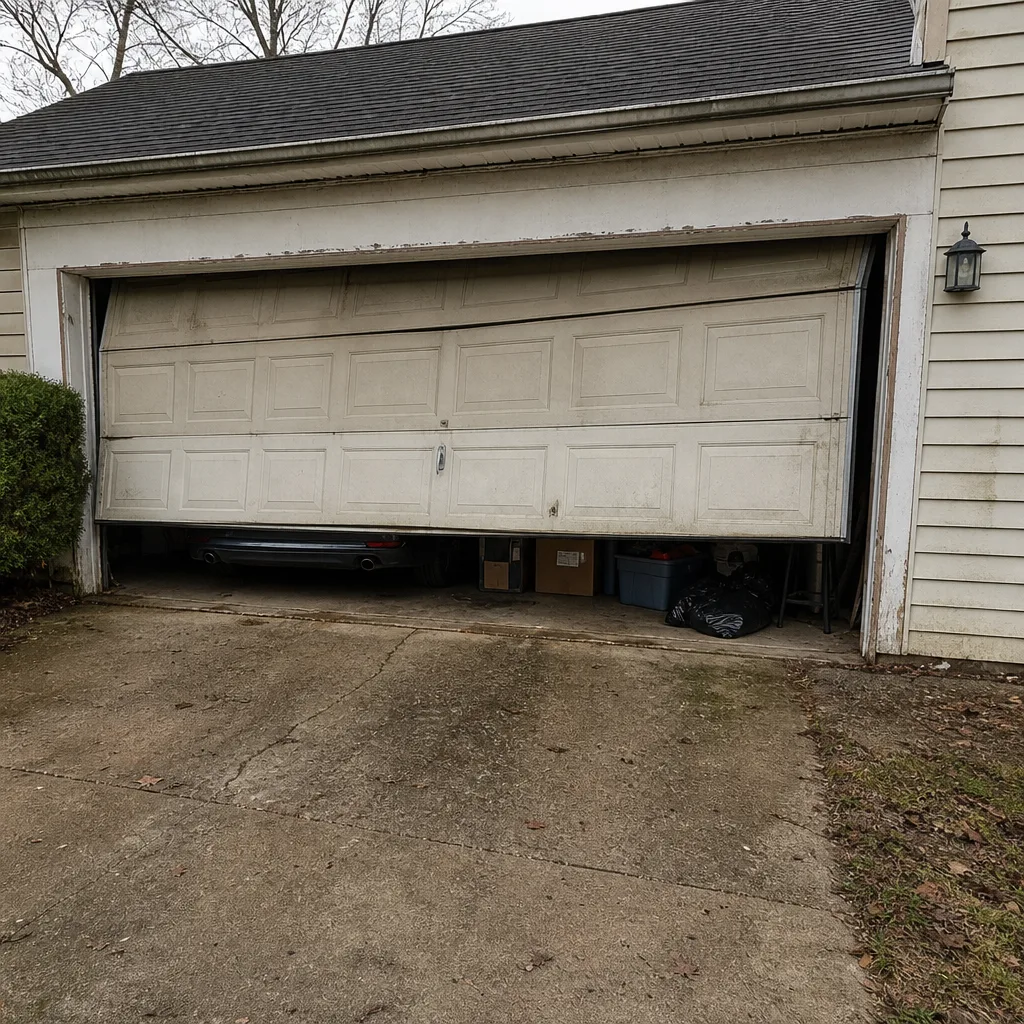 Before
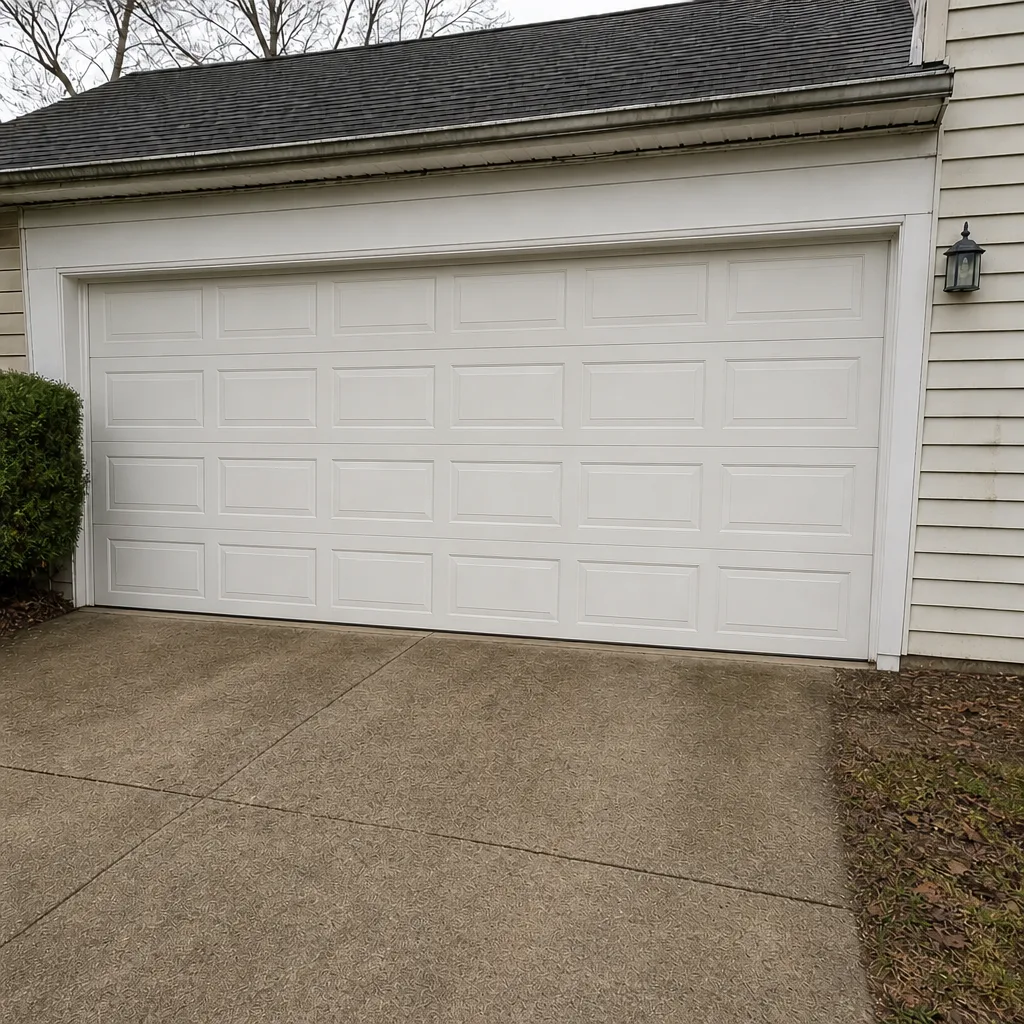 After
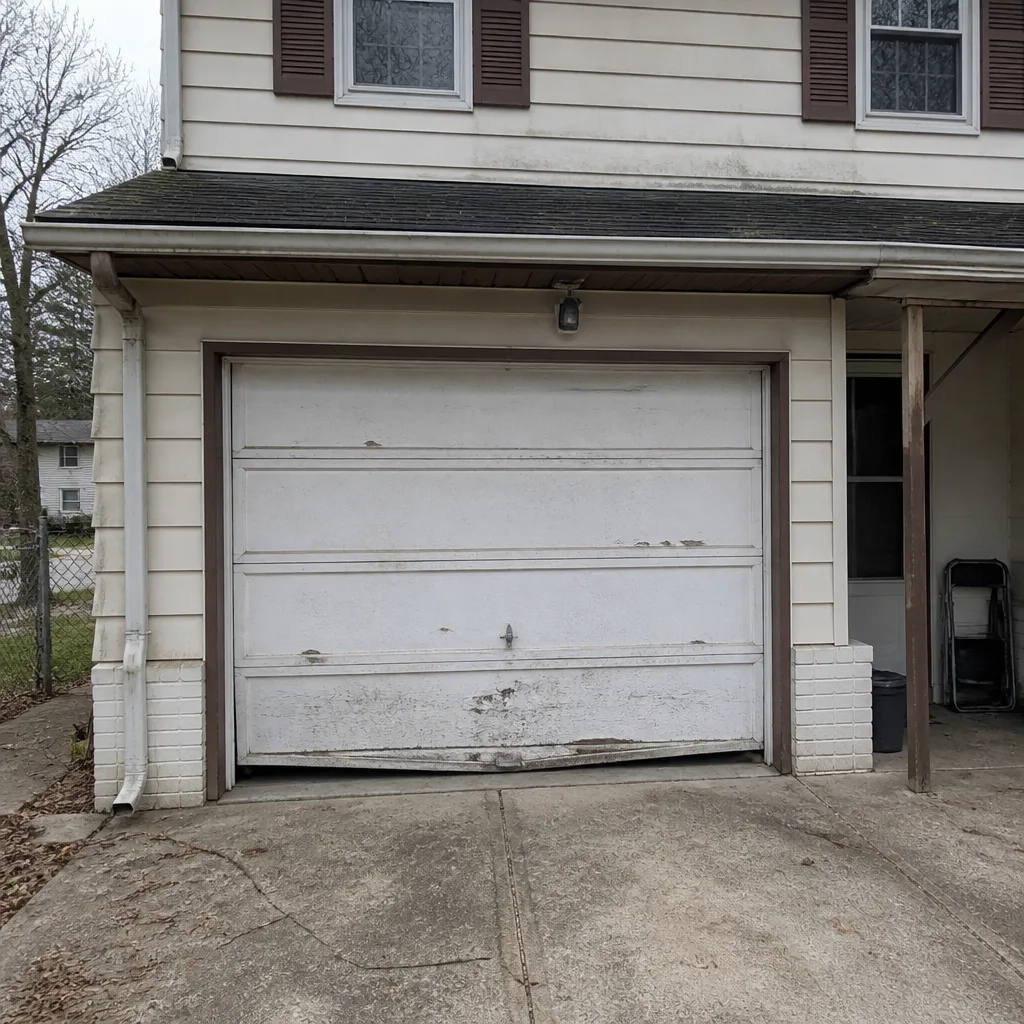 Before
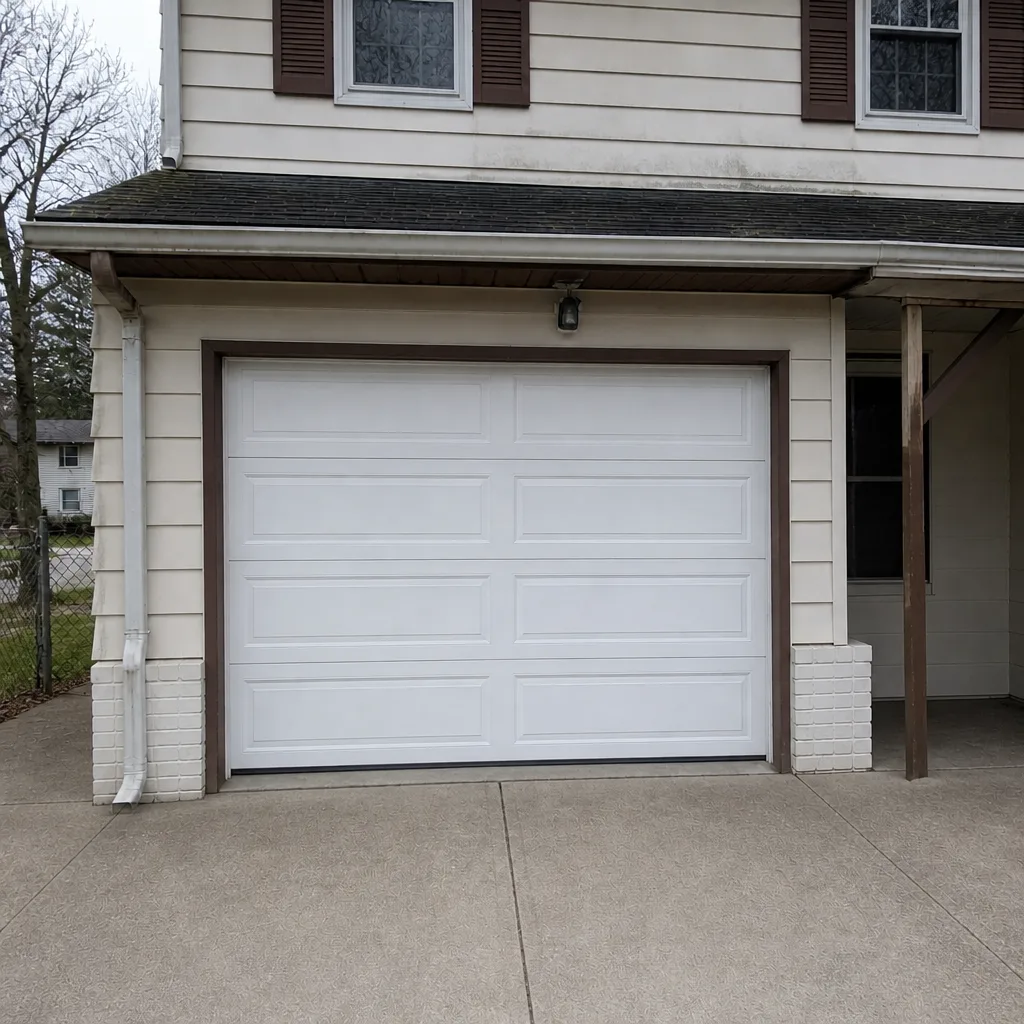 After
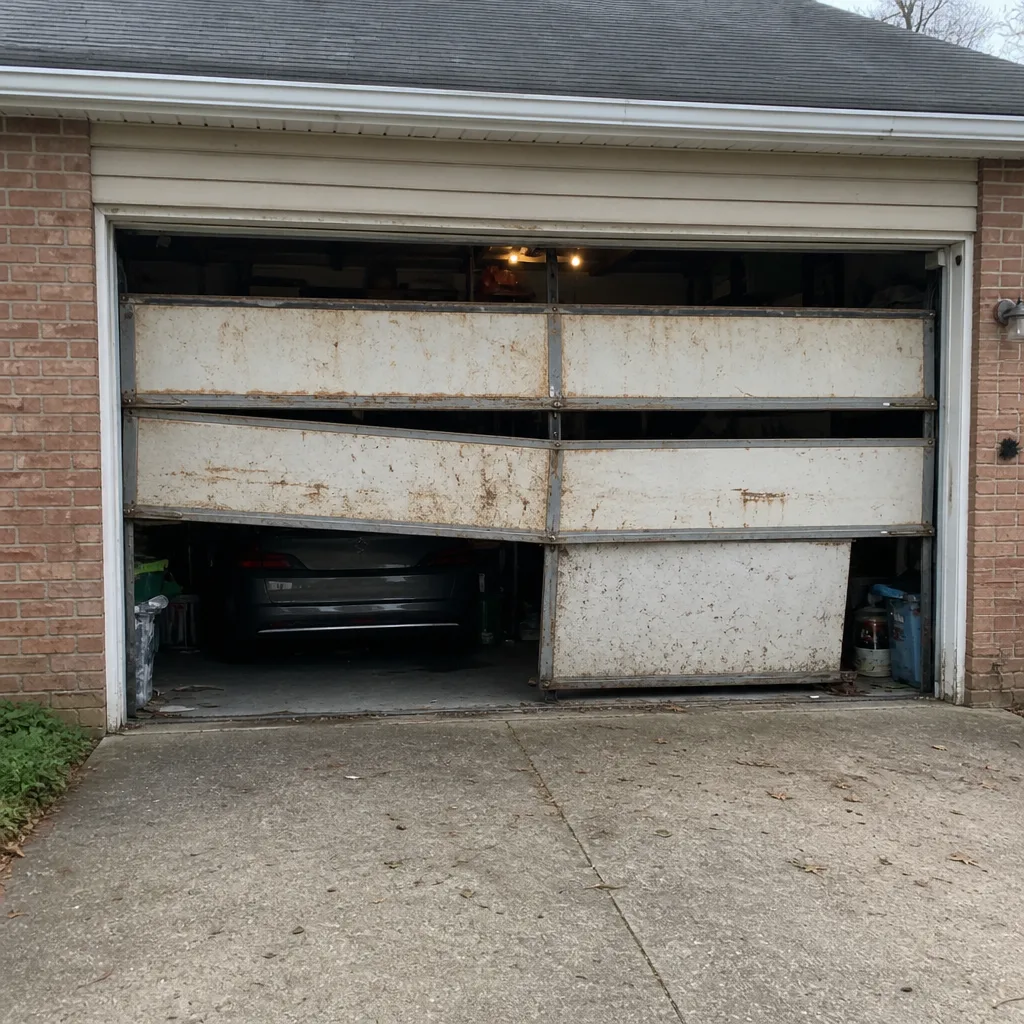 Before
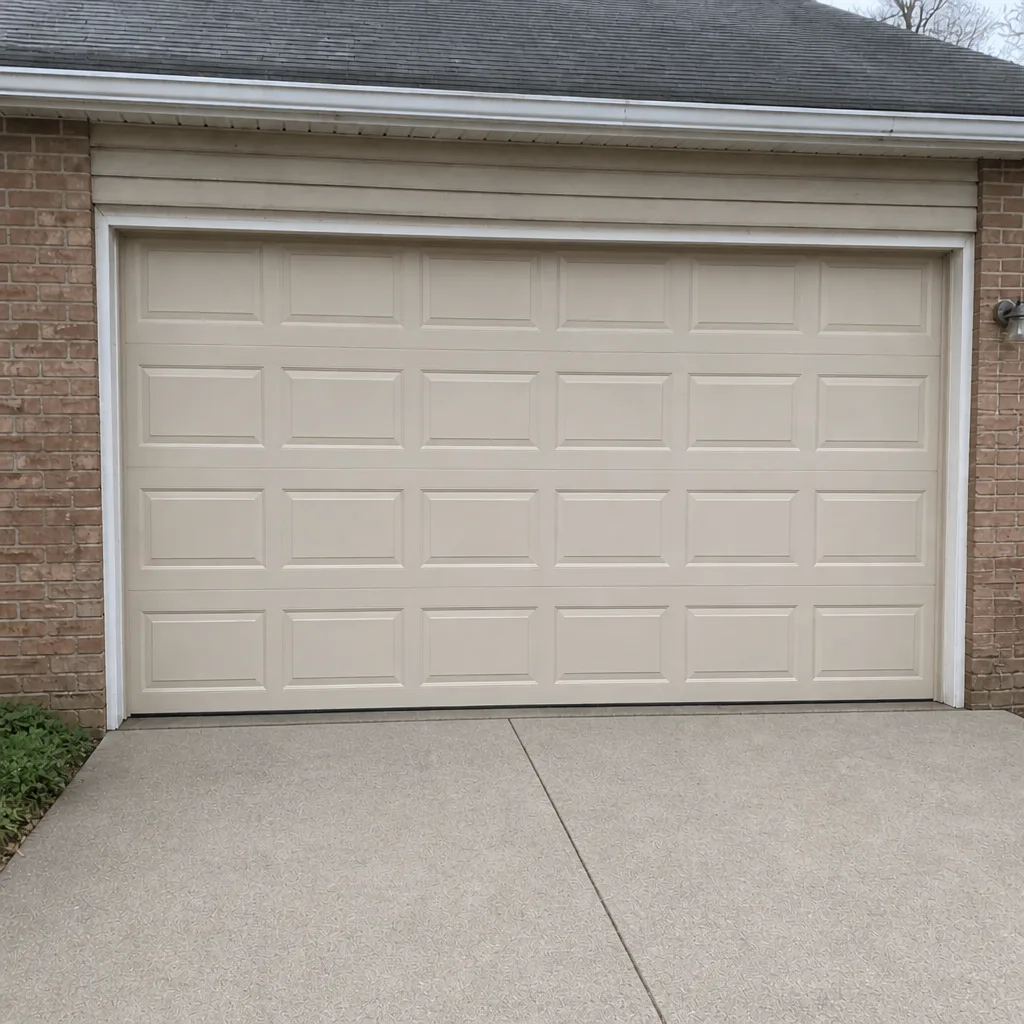 After
When to Call a Professional
Most seasonal care is DIY-friendly, but some situations should always go to a professional. Call a trained technician if you notice any of the following: a broken spring (stop using the door immediately), a door that’s visibly off track, a door that reverses unexpectedly when closing, a cable that looks slack or frayed, a door that feels significantly heavier than usual, or an opener that’s making unusual sounds or straining. These aren’t seasonal care issues – they’re safety issues, and they need professional attention. Spring and cable work in particular carries serious injury risk and should never be handled by a homeowner.
If your door needs work, Waldorf Garage Door Repair Co offers free estimates in Waldorf – call (855) 658-4231. One call covers it, whether that’s a tune-up, a spring repair, or a full replacement.
Frequently Asked Questions
Once a year is a good baseline, ideally in the fall before the first hard freeze. If your door is older, has wood panels, or has had any prior repairs, twice a year – spring and fall – is worth doing. The goal is to catch problems during the shoulder seasons, before they become winter emergencies.
Cold makes steel more brittle, and it takes more force to move a door when the lubricant is thick and the metal is contracted. Together, that means the springs are under more stress in winter than in any other season. Keeping the door balanced and lubricated in the fall reduces that stress significantly.
You can and should lubricate the hinges, rollers, and spring coils yourself twice a year with a garage-door-specific lubricant. Don’t lubricate the tracks. That said, the balance check and any spring or cable work should always be done by a trained technician. Call (855) 658-4231 if you’re not sure whether the door is balanced.
Disconnect the opener using the manual release cord, then lift the door to the halfway point by hand. It should stay roughly where you put it. If it drops or rises on its own, the springs need adjustment. This is the simplest balance test, and it takes a minute or two.
The fall balance test and pre-winter inspection. Most of the winter service calls we see in Waldorf come from doors that went into the cold season slightly out of balance. Catching that in October is far cheaper and easier than dealing with a broken spring in January.
Yes, especially for wood-panel doors. Waldorf’s 90-percent-plus humidity days cause wood to absorb moisture and swell, which can make the door bind or rub against the frame. Steel doors are more forgiving, but humidity still affects seals and can cause surface rust on hardware. A fresh coat of paint or stain on wood doors every few years goes a long way toward managing this.
The Bottom Line
Garage door care in Waldorf isn’t complicated, but it does need to follow the seasons. Summer humidity wears on wood and seals, fall prep prevents winter spring failures, winter cold stresses every metal component, and spring is when everything needs resetting. The two habits that make the biggest difference are lubricating twice a year and having a technician check the door’s balance once a year. Do those two things and most of the seasonal service calls – the ones that spike every October and March – simply don’t happen.
Get a Free Estimate on Seasonal Garage Door Care in Waldorf
If you’d rather have a trained professional handle the seasonal tune-up, or if you’re not sure when your door was last serviced, give us a call. Waldorf Garage Door Repair Co handles repair, spring work, opener service, and full installation across all major brands, and we offer free estimates in Waldorf. Call (855) 658-4231 to schedule your fall or spring inspection.
Written by the team at Waldorf Garage Door Repair Co.